
Vandaag of morgen in huis

Kwaliteit gegarandeerd

Welkomstaanbiedingen ontgrendelen: GRATIS bezorging | Tot 80% korting | Gratis 30 dagen JoyPlus-proefperiode
Download de app
Wireless headphones make listening easier: no cable catching on your coat, quick switching between devices and, often, controls on the earcup. Yet a model that looks appealing on paper can disappoint in practice. For example, a long battery life does not always indicate how long you can listen with noise cancelling switched on. Terms such as “AI noise cancellation” and “Hi-Res audio” are not automatically a guarantee of better sound either.
As a Joybuy Product Recommendation Officer, I filter the most important product specifications and compare them with practical situations in the UK. This helps you choose more confidently for music, podcasts, video calls, travel, sport or gaming.
Manufacturers usually state battery life under specific conditions. The difference between ANC off and ANC on can be significant. According to the product description, the Baseus EH10 offers up to 80 hours of playback without active noise cancellation and 55 hours with ANC. The CMF Headphone Pro lists up to 100 hours without ANC and 48 hours with ANC.
Therefore, always check:
Also look out for conflicting information. For different versions of the Sony WH-CH520, the description states up to 50 hours, while the specifications table lists 40 hours. Treat this as something to check on the product page before buying.
An IP rating only has meaning when you know what it represents. IPX5 does not mean you can submerge your earbuds. According to the product information, the MINISO MS106 is described as IPX5 water-resistant and may therefore be better suited to rain or perspiration, but that does not make it suitable for swimming.
The Samsung Galaxy Buds4 Pro also has an IP57 rating, according to the product description. The accompanying warning states that you should not use the earbuds for swimming. Ordinary wireless headphones without an IP rating, such as the Sony WH-CH520, should be kept away from moisture.
Bluetooth versions and codecs receive plenty of attention, but comfort determines how long you will actually use a pair of headphones. On-ear headphones remain compact and lightweight, but may put pressure on your ears after extended use. Over-ear headphones distribute pressure differently, but are generally larger and heavier.
When comparing Bluetooth headphones, consider:
Bluetooth 5.x can contribute to a stable connection, but the actual range also depends on obstacles, interference and the connected device. For everyday use, simple pairing is particularly important. Features such as Google Fast Pair, Microsoft Swift Pair or Sony’s quick-pairing options can speed up the initial setup.
With multipoint, you can connect headphones to two devices at the same time. This is useful when you are working on your laptop and want to take phone calls on your smartphone. However, check whether multipoint works in the same way with all devices and apps.
Noise-cancelling headphones use microphones and electronics to reduce ambient sound. Performance varies depending on the environment: constant sounds such as train or aeroplane noise are generally a different scenario from voices or sudden sounds.
Claims about a particular level of decibel reduction come from the product information or the brand’s own research. Do not treat them as a universal guarantee. A transparency mode can be useful at a station or while out walking, as it allows you to remain more aware of surrounding sounds.
Wireless headphones do not have subscription costs, but the built-in battery does wear out through use and charging cycles. Replaceable batteries are not always available in consumer models. Therefore, look for:
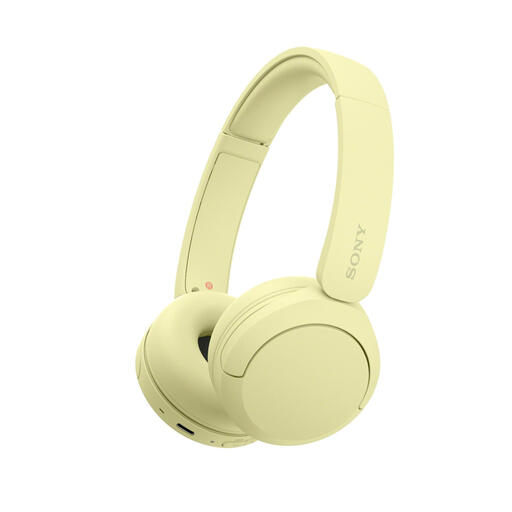
Why it suits this profile: This lightweight 147-gram on-ear model is suitable for everyday listening, commuting and online calls. The adjustable headband and buttons are easy to use.
The product information mentions both battery life and fast charging. However, check the current specifications, as different listings state 40 or 50 hours.
147 grams, USB-C, microphone, multipoint and support for AAC and SBC.

Why it suits this profile: Over-ear headphones for anyone who values active noise cancellation, spatial audio and both wireless and wired listening.
The specifications mention a wired option and Bluetooth 5.4. This means you are not entirely dependent on a wireless connection or battery.
Active noise cancellation, Bluetooth 5.4, multipoint and up to 30 hours of battery life according to the product information.
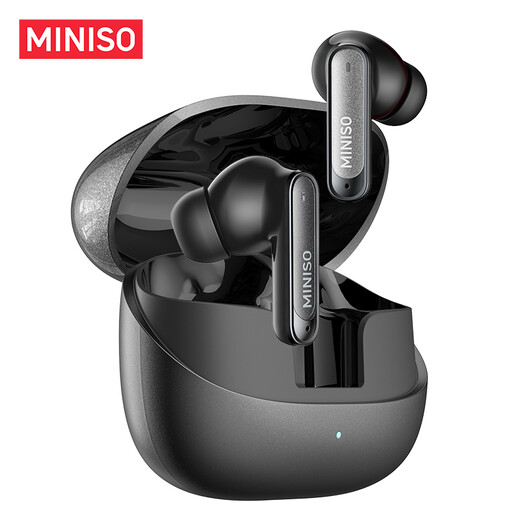
Why it suits this profile: These wireless earbuds are designed for the office, commuting and sport. Their compact shape and built-in microphone system suit users who make frequent calls.
The IPX5 rating provides more guidance than simply calling them “sports earbuds”. Nevertheless, do not use them for swimming or submersion.
Up to 55 hours of total battery life according to the product description, IPX5, 10mm drivers and six microphones.
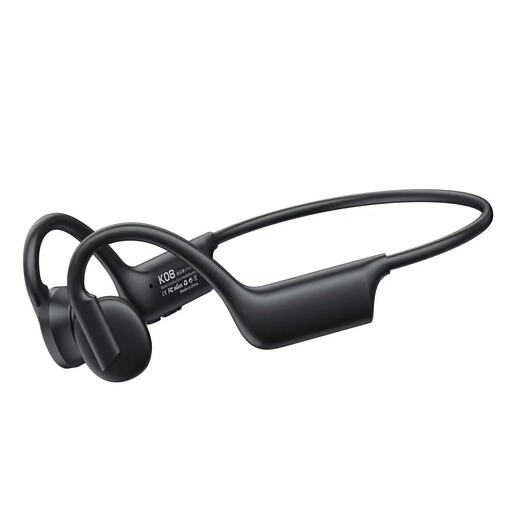
Why it suits this profile: The open-ear design with ear hooks may suit running and cycling when you do not want to be completely cut off from your surroundings.
The open design means you do not have to rely solely on a noise-cancelling claim. However, check the fit and do not use this model in situations that require your full attention.
Bluetooth, ear-hook design, microphone, multipoint and a stated usage time of up to 8 hours.
We have put together a complete, up-to-date list of products that fully meet these strict selection criteria and the applicable European safety regulations.
Choose on-ear headphones if low weight and portability are your priorities. Go for over-ear headphones when you listen for longer periods and prefer greater physical isolation. Wireless earbuds are convenient when travelling and for sport, but the fit varies considerably from one ear to another.
For music and calls, a good microphone, multipoint and simple controls are more important than a high Bluetooth version alone. ANC can be useful for train journeys or working in a busy office. For running, a secure fit, a suitable water-resistance rating and sufficient awareness of your surroundings are more important than maximum bass.
Switch on the headphones and activate pairing mode. Then open the Bluetooth settings on your smartphone and select the product name. With models featuring Fast Pair or Swift Pair, a connection window may appear automatically. If it does not work, remove an old pairing and try again.
The usage time per charge is separate from the product’s overall lifespan. A battery may hold less charge over time. Store the headphones somewhere dry, avoid extreme heat and charge them with a suitable USB-C cable. Also listen at a moderate volume and take regular breaks.
Not necessarily. A more expensive model may offer extra features such as spatial audio, better materials, multiple microphones or wired listening. For short daily journeys, a lightweight on-ear model may be sufficient. Therefore, first compare the fit, battery life, microphone, water resistance and connection options with the way you intend to use them.
