
Vandaag of morgen in huis

Kwaliteit gegarandeerd

Welkomstaanbiedingen ontgrendelen: GRATIS bezorging | Tot 80% korting | Gratis 30 dagen JoyPlus-proefperiode
Download de app
Wireless headphones are ideal for listening to music and podcasts, attending online meetings and making phone calls without a cable. However, a long list of features does not always tell you how a product performs in everyday use. For example, Bluetooth headphones may offer a reliable connection but feel uncomfortable to wear. A model with noise cancelling may seem suitable for travelling, yet be less practical when cycling.
The right choice therefore starts not with the most eye-catching marketing term, but with the features that suit the way you use your headphones.
Manufacturers often state the maximum battery life, but this figure may apply with ANC switched off, at a particular volume or including the charging case. With wireless earbuds, you should therefore distinguish between:
A model with long battery life is most useful when the testing method is clearly stated. Also check whether a USB-C cable is included and whether the case shows its remaining capacity.
An IPX4 rating is designed to protect against sweat and light rain, not immersion. IPX5 offers greater protection against water jets, but it still does not make a product suitable for swimming. Always check the exact IP rating and the manufacturer’s instructions.
If you are looking for waterproof headphones for swimming, you should also check whether Bluetooth works underwater. Bluetooth signals have limited usefulness in water. A model with a swim mode may therefore require internal MP3 storage or another playback mode. Make sure the charging port is completely dry before connecting the device.
ANC headphones use active noise cancellation to reduce surrounding noise. This can be useful on the train or in the office, but performance varies between products and types of sound. Low, constant tones are generally processed differently from voices or sudden noises.
Some brands state in their product descriptions that ANC can reduce sound by a certain number of decibels. Treat this as a product specification measured under specific conditions, not as a guarantee of complete silence. For traffic, cycling and other situations where you need to hear your surroundings, an open-ear design may be more suitable.
Over-ear headphones surround the ear and can therefore provide some sound isolation even without active noise cancellation. The downside is their larger size and the heat they can create around your ears. An on-ear model is often lighter and easier to carry, but its earcups press directly against your ears.
In-ear earbuds are compact and easy to take with you. Their fit depends on the ear tips or ear hooks. Sports headphones with silicone ear hooks may stay in place better when walking or exercising than a loose-fitting model. Open-ear and bone-conduction headphones let in more surrounding sound, which can be useful outdoors, but the listening experience differs from that of closed-back headphones.
As well as weight, consider the pressure around your ears, adjustability and the shape of the headband. For everyday use, lightweight, comfortable headphones are often more practical than a heavier model with more features.
A Bluetooth 5.3 headset, or a model with Bluetooth 5.4 or 6.0, may offer technical benefits in terms of power consumption, connection and latency. However, the overall experience also depends on your phone, laptop and the codec being used.
In particular, check whether you need:
A newer Bluetooth version does not automatically mean that every device supports the same features.
Compare the battery life with your routine. For commuting, 20 to 40 hours may be sufficient. For travelling or frequent use, models with a higher stated capacity may be more appealing. Bear in mind that ANC can reduce playback time.
Clean earbuds regularly with a dry, soft cloth. Do not use a wet cable or charger, and do not charge a product in a damp environment. When swimming or exercising, it is important to remove sweat, chlorine and salt water in accordance with the product instructions.
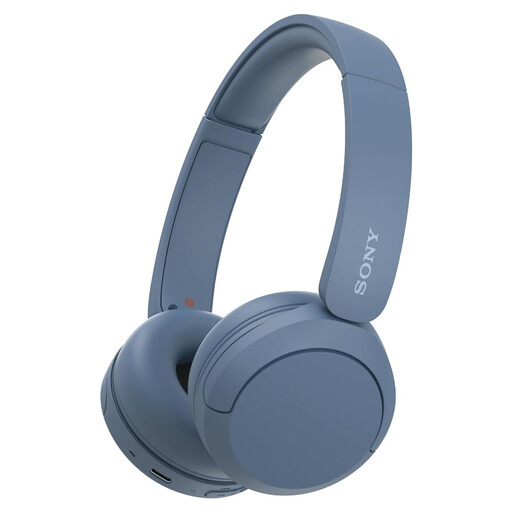
Why it suits this profile: A portable on-ear model for music, podcasts and calls, with multipoint according to the product specifications.
The product information mentions an adjustable headband, soft ear cushions and button controls. This makes the fit and controls clearer before purchase.
147 grams, USB-C, microphone and multipoint. The stated battery life varies in the product information; check the current specification on the product page.
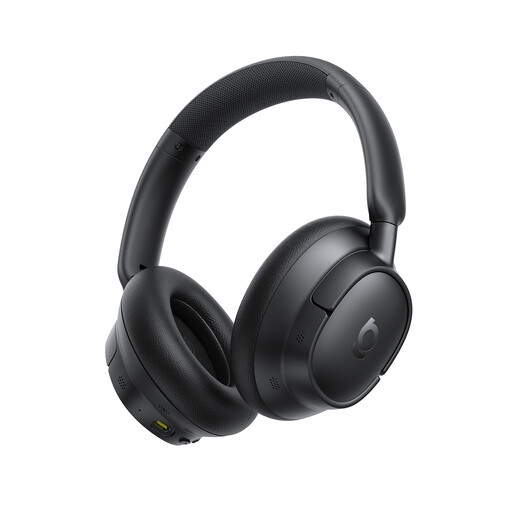
Why it suits this profile: Designed for travellers, home workers and users looking for over-ear headphones with ANC and extensive audio codec support.
The product description distinguishes between battery life with ANC switched off and with ANC switched on. This makes it easier to compare the claim with your own usage.
According to the manufacturer, up to 80 hours without ANC and 55 hours with ANC, plus Bluetooth 6.0, LDAC and five microphones. These figures are brand claims under the stated conditions.
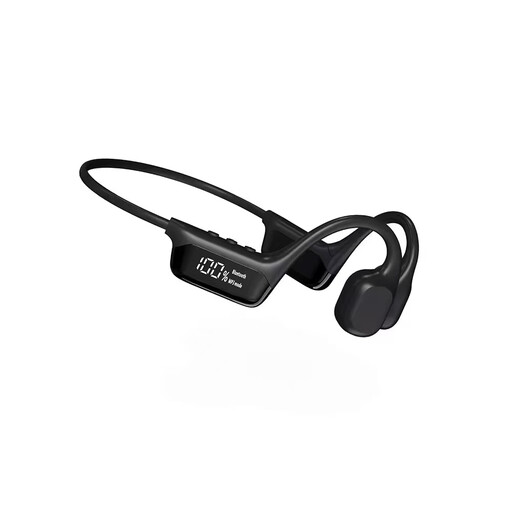
Why it suits this profile: For runners, cyclists and users considering open-ear bone-conduction headphones with a swim mode.
The instructions warn that the charging port must be dry and that swimming may require the correct MP3 or internal mode. Check this before buying.
Bluetooth 5.3, open-ear design, ear hook and stated features for sport and swimming. Water protection should be used in accordance with the instructions.
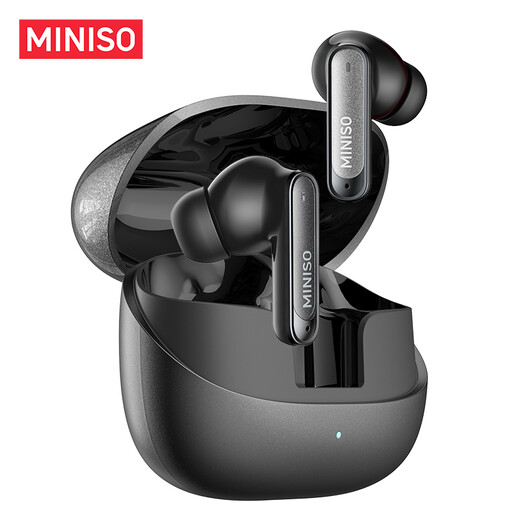
Why it suits this profile: A compact choice for commuting, meetings and sport when you want wireless earbuds with a charging case.
The product description lists the IPX5 rating, fast-charging function and total battery life separately. Do not treat IPX5 as permission to submerge the product.
According to the product information, up to 55 hours with the charging case, six microphones, Bluetooth 6.0 and adaptive noise cancellation. The stated ANC figure is a claim made by MINISO.
We have put together a complete, up-to-date list of products that fully meet these strict selection criteria and the applicable European safety regulations.
First charge the headphones, switch on Bluetooth on your smartphone and put the product into pairing mode. Then select the product name from the Bluetooth list. If the device has been paired before, the headphones will often reconnect automatically. If this does not work, remove the old pairing and follow the instructions again.
Their lifespan depends on the battery, charging frequency, storage conditions and exposure to moisture and heat. A battery may hold less charge over time. Store the headphones in a dry place, avoid charging them for long periods in extreme temperatures and use only a suitable charger. With earbuds, the charging case may show additional wear because it is charged more frequently.
ANC can reduce surrounding noise, so it is not advisable in every traffic situation. When cycling, it is better to choose a transparency mode or open-ear or bone-conduction headphones if you need to continue hearing enough of your surroundings. Always follow the traffic rules and take your own situation into account.
