
Vandaag of morgen in huis

Kwaliteit gegarandeerd

Welkomstaanbiedingen ontgrendelen: GRATIS bezorging | Tot 80% korting | Gratis 30 dagen JoyPlus-proefperiode
Download de app
Wireless headphones may seem easy to choose at first. However, impressive specifications and marketing terms can hide important differences. For example, a long battery life may only apply when noise cancelling is switched off. A product with “waterproof” in its name isn’t automatically suitable for swimming. And a fit that looks comfortable on paper may disappoint in practice.
As a Joybuy Product Recommendation Officer, I filter the most important information using verifiable product specifications. That way, you can choose Bluetooth headphones that suit the way you use them: for travelling, working from home, making calls, listening to music or exercising.
Manufacturers often list a maximum play time. This figure can vary depending on volume, codec and features. Headphones with noise cancelling usually have a shorter battery life when ANC is switched on.
So, check:
For example, the Sony WH-1000XM5 is listed with a maximum battery life of 40 hours without noise cancelling and 30 hours with this feature switched on. That’s more useful than simply giving a high maximum figure.
Sports headphones or bone conduction headphones may be designed for running, cycling or swimming, but always check the official IP rating and instructions. IP54, for example, offers limited protection against dust and splashes; that’s not the same as protection against immersion.
If you plan to use them around water, check:
For swimming, models with built-in MP3 storage may be more practical than Bluetooth-only models. Never charge a wet device.
Headphones with a microphone may be suitable for calls, but how clearly you’re heard depends on wind, background noise, microphone placement and the phone or computer you’re using. Claims about AI noise reduction come from the manufacturer, so shouldn’t be taken as a guaranteed result.
Pay particular attention to practical details:
For an office environment, a wired headset such as the Jabra EVOLVE 30 II MS Stereo may be an alternative. This model uses a 3.5mm connection and comes with a controller for USB connection. So, it isn’t wireless, but it may be useful if call reliability matters more than freedom of movement.
Over-ear headphones fully cover your ears. This can be comfortable on long journeys, and they often provide more passive noise isolation. However, bear in mind their weight and the warmth around your ears. According to the product information, the Sony WH-1000XM5 weighs 250 grams.
On-ear headphones rest on your ears. This type is usually more compact and lighter. The Sony WH-CH520 weighs 147 grams and has an adjustable headband and soft ear cushions. It can be a practical choice for everyday use, working from home and commuting.
Open-ear or bone conduction headphones leave your ear canal unobstructed. This can be useful when walking, running or cycling and you want to remain aware of your surroundings. The wearing experience varies considerably from person to person. Also check whether the model is designed for swimming, and which storage and connectivity features are actually available.
A recent Bluetooth version can help provide an efficient connection, but it doesn’t tell you on its own how stable the sound will be in your situation. Your smartphone, laptop, codec and distance also play a part. Most products in this selection list a range of around 10 metres in ideal conditions.
For working from home, multipoint is useful: it lets you connect headphones to, for example, a phone and laptop at the same time. Check that both devices are compatible and that all features remain available when multipoint is in use.
A frequency range of 20 Hz to 20 kHz is a commonly used product specification, but it doesn’t tell you everything about the sound. The driver, tuning, fit and audio codec also affect your listening experience.
LDAC, AAC and SBC are examples of Bluetooth codecs. A codec only works if both the headphones and the source device support it. If you mainly listen to podcasts, comfort and a good microphone may be more useful to you than extensive codec support.
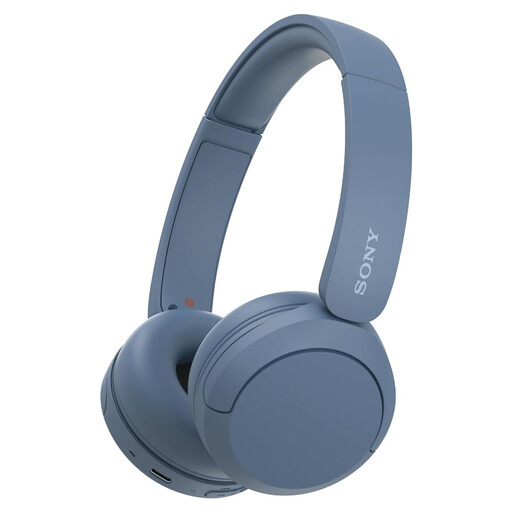
Why it suits this type of user: Lightweight on-ear headphones for music, podcasts and everyday use. The product information lists a microphone and multipoint connectivity.
Battery life, Bluetooth connectivity and weight are all clearly listed. The model isn’t described as water-resistant, so you’re less likely to choose it for an unsuitable sports activity.
147 grams, Bluetooth, microphone, multipoint and a listed battery life of up to 50 hours.
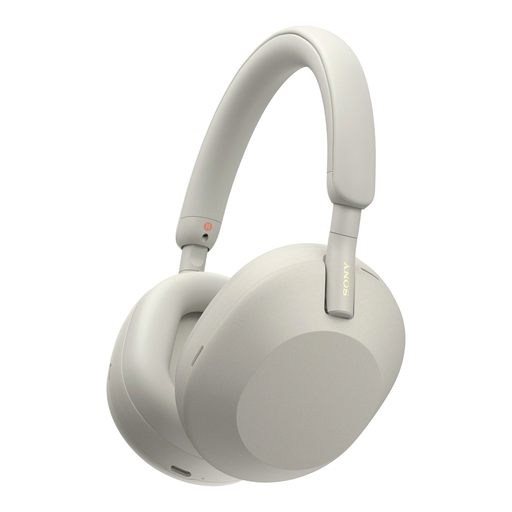
Why it suits this type of user: Over-ear headphones for travelling, working and focused listening, with noise cancelling, app control and connectivity to two devices.
The listed battery life is given separately for ANC on and off. The weight is also stated, helping you judge how comfortable they may be during long listening sessions.
Up to 30 hours with noise cancelling, up to 40 hours without, Bluetooth 5.2, multipoint and a supplied carry case.
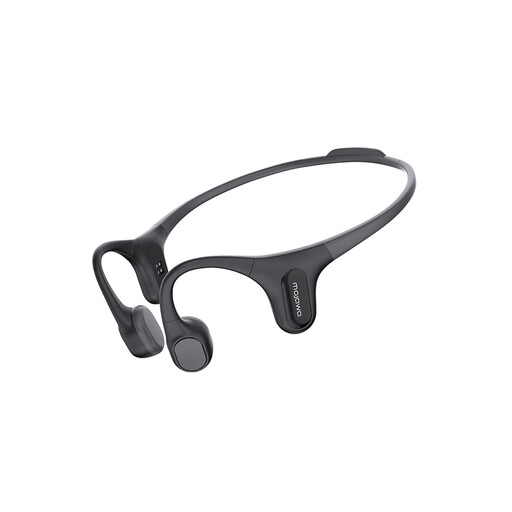
Why it suits this type of user: Open-ear bone conduction headphones for running, cycling, fitness and use around water, according to the product description.
The product information lists IP68 and 32 GB of storage. This makes local playback an important feature for swimming, where Bluetooth isn’t always practical.
Open-ear design, Bluetooth, 32 GB of built-in storage and a listed IP68 rating.
We’ve put together a complete, up-to-date list of products that fully meet these strict selection criteria and current European safety regulations.
First, charge the headphones, switch on Bluetooth on your phone and press and hold the power or pairing button. Then select the product name from the Bluetooth list. With multipoint, pair the first device, then the second, following the instructions.
Battery life depends on battery capacity, charging habits, volume and features such as ANC. Don’t just look at the maximum battery life; also check for fast charging, replaceable ear cushions and the availability of firmware updates. If a product develops a fault, consumers in the EU are generally entitled to a statutory guarantee of at least two years under the sales agreement.
Yes. Active noise cancelling uses additional electronics, so it generally reduces play time. Always compare battery life with ANC switched on and off. Use transparency mode or switch ANC off when you want to hear your surroundings or save battery.
