
Vandaag of morgen in huis

Kwaliteit gegarandeerd

Welkomstaanbiedingen ontgrendelen: GRATIS bezorging | Tot 80% korting | Gratis 30 dagen JoyPlus-proefperiode
Download de app
A wireless headset may seem simple to choose at first glance. You compare the Bluetooth version, battery life and perhaps noise cancellation. Yet the biggest differences are often found in details that only become apparent after purchase. Think of an uncomfortable fit, a microphone that sounds less clear in busy surroundings, or battery life that only applies under ideal conditions.
With this practical checklist, you can compare a Bluetooth headset, wireless earbuds and other models based on verifiable features.
A manufacturer or retailer may quote impressive battery life. Always check whether this refers to the earbuds’ playback time, the total duration including the charging case, or usage time with ANC switched off. With noise-cancelling headphones, active noise cancellation can drain the battery more quickly.
Pay attention to:
Noise cancellation can refer to active noise cancellation, passive sound isolation or a general marketing description. ANC headphones use microphones and electronics to reduce ambient noise. A well-sealed pair of over-ear headphones also blocks some sound through the ear cushions.
So check whether the product information clearly refers to active noise cancellation. Also look for a transparency mode if you want to remain aware of what is happening around you when outdoors, cycling or using public transport. No form of noise cancellation makes traffic noise completely inaudible.
A heavy pair of over-ear headphones may provide a comfortable seal, but can feel warm after prolonged use. On-ear headphones are often lighter and more compact, but rest directly on your ears. Wireless earbuds have a smaller form factor, with fit varying considerably from person to person.
Consider the weight, headband adjustability, ear-cushion material and whether different sizes of ear tips are included. For sports, an ear hook, open-ear design or bone-conduction headphones may be suitable alternatives.
A Bluetooth headset uses a wireless connection between the headphones and, for example, your phone, tablet or laptop. Check:
For listening to music and making calls, a stable connection is more important than simply having a higher Bluetooth version number. For gaming, a low-latency mode or wired connection may be more suitable.
A model with long battery life is useful for travelling, work and study. Compare the stated playback time under the same conditions. The Baseus EH10 NC, for example, states up to 80 hours without ANC and 55 hours with ANC. This difference shows why the usage mode matters.
With wireless earbuds, distinguish between playback time per charge and total playback time with the case. Fast charging can be useful when you have little time before setting off.
Headphones with a microphone are suitable for phone calls, online meetings and gaming. However, the number of microphones alone does not determine how clearly your voice will sound. Also look at microphone noise cancellation, microphone placement and whether the model has a directional boom microphone.
A gaming headset with a flip-up microphone is generally designed for voice chat while gaming. For everyday calls, integrated microphones in a Bluetooth headset or earbuds are more practical.
For sports earbuds, an IP rating is relevant. IPX5 means protection against water jets according to the usual classification, but does not automatically mean that a product is suitable for submersion or swimming. Always check the official usage instructions.
With bone-conduction headphones or an open-ear model, ambient sound remains easier to hear. This can be practical when running or cycling, but the sound experience and bass response differ from those of a sealed in-ear or over-ear model.
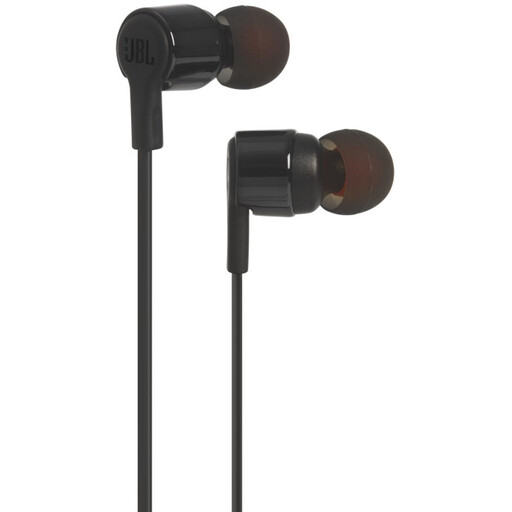
Why it suits this profile: This wired model works without Bluetooth or charging and is intended for everyday use with devices featuring a 3.5mm connection.
There is no battery to run flat. However, check your device’s connection in advance; the product information mentions a 3.5mm connection, while one specification field differs.
8.7mm dynamic drivers, built-in microphone and included ear tips according to the product description.
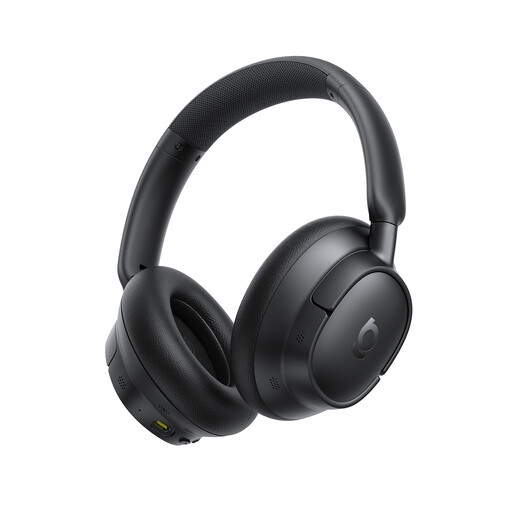
Why it suits this profile: An over-ear design with ANC, LDAC support and a comprehensive range of features is well suited to working from home, travelling and listening for long periods.
The product page distinguishes between battery life with and without ANC. This helps you assess the claim more realistically.
Up to 80 hours without ANC, up to 55 hours with ANC and five microphones according to the product information.
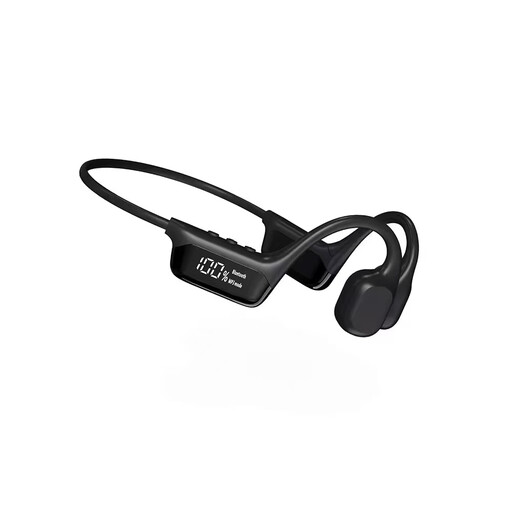
Why it suits this profile: The open-ear design is aimed at swimming, running, cycling and office work where you want to remain aware of your surroundings.
The product information mentions an open-ear design and a swimming mode. Before use, check that the charging port is dry and which mode is intended for swimming.
Bluetooth 5.3, open-ear sports design and stated support for swimming and multipoint connectivity.
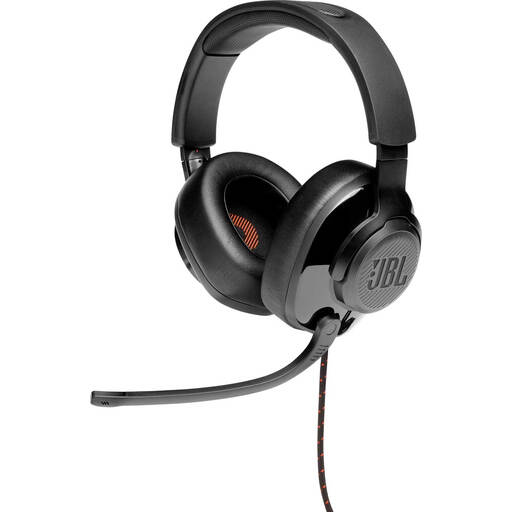
Why it suits this profile: This wired over-ear headset is designed for gaming, online communication and use with multiple gaming platforms.
The cable prevents charging problems during long sessions. However, check whether your device supports the 3.5mm connection or the included USB audio adapter.
50mm drivers, flip-up directional microphone and compatibility with PC, PlayStation, Xbox, Switch and mobile devices.
We have put together a complete, up-to-date list of products that fully meet these strict selection criteria and the applicable European safety regulations.
Put the headphones into pairing mode, open the Bluetooth settings on your phone and select the product name. With wireless earbuds, this often happens automatically when you open the charging case. If it does not work, remove the previous pairing and try again. Also check that the battery has sufficient charge.
Their lifespan depends on battery wear, hinges, ear cushions and daily use. Keep the model dry, charge it with the recommended cable and avoid prolonged exposure to heat or moisture. A wired model has no built-in battery, but the cable and connection are still subject to wear.
That depends on your surroundings. ANC can be useful on a train, aeroplane or in a busy office. At home in a quiet room, it adds less. As well as ANC, compare comfort, microphone quality, battery life and the option to let ambient sound through. This way, you pay for features that suit the way you use your headphones.
