
Vandaag of morgen in huis

Kwaliteit gegarandeerd

Welkomstaanbiedingen ontgrendelen: GRATIS bezorging | Tot 80% korting | Gratis 30 dagen JoyPlus-proefperiode
Download de app
A pair of wireless headphones may seem easy to choose at first glance. You compare battery life, Bluetooth and perhaps noise cancellation, then click to place your order. Yet many disappointments are caused by specifications that are not explained fully. For example, a long playtime may only apply without ANC, while headphones with a microphone do not automatically deliver clear, intelligible calls.
This buying guide from the Joybuy Product Recommendation Officer helps you turn marketing claims into practical choices for music, working from home, travelling, gaming, exercise and everyday use.
Manufacturers often state the maximum battery life, but this figure can depend on volume, codec, ANC and phone calls. For example, the Soundcore Space One is advertised with up to 55 hours. The Baseus EH10 NC is listed as offering up to 80 hours without ANC and 55 hours with ANC. That difference matters if you mainly listen to music on the train or aeroplane.
So pay attention to:
A pair of noise-cancelling headphones uses microphones and electronic processing to reduce ambient noise. The result varies depending on the type of sound, the fit and your surroundings. Low, constant sounds such as train engines are often easier to reduce than voices or sudden noises.
Claims such as “-44 dB” or “-50 dB” are product claims. According to Edifier’s own information, the Atom Max offers up to -44 dB of hybrid active noise cancellation; according to Baseus’s own information, the EH10 NC can reduce noise by up to -45 dB. Treat these figures as a technical indication, not a guarantee that every sound will disappear.
Also consider whether you actually need ANC headphones. For a quiet home office, a well-fitting pair of over-ear headphones without ANC may be sufficient. For travelling, ANC is generally more useful than an additional attention-grabbing sound mode.
Over-ear headphones surround the ear and can therefore be comfortable during long listening sessions. On-ear headphones rest on the ear and are often lighter and more compact, but may create more pressure over time. In-ear earbuds are small and easy to carry, but choosing the right ear-tip size is important for stability and sound isolation.
When comparing models, look at:
A modern pair of Bluetooth headphones works with almost any smartphone, tablet or laptop that supports Bluetooth. A higher Bluetooth version number does not automatically mean better sound. Also check the supported audio codecs, such as SBC, AAC or LDAC, and the devices you want to connect to.
Bluetooth multipoint is useful if you switch between a laptop and phone while working from home. The Sony WH-CH520 lists a multipoint connection, allowing two devices to be paired at the same time. However, check that multipoint works with your specific devices and whether it affects features such as an app or codec.
For gaming, low latency is more important than simply seeing Bluetooth 6.0 or Bluetooth 5.4 on the packaging. A dedicated low-latency mode can help, but check whether it is compatible with your console, PC or phone.
A pair of headphones with a microphone is not automatically suitable for meetings. Look at the microphone’s position, wind filtering and call noise cancellation. An adjustable microphone on a wired headset is often closer to your mouth than the microphones in wireless earbuds.
The Logitech H150, for example, is not wireless headphones: this on-ear model uses a 3.5mm connection, has a 180cm cable and a swivel microphone. That can be practical for a fixed computer workstation, as long as you do not need Bluetooth.
A USB-C pair of headphones or charging case is easy to charge with a standard cable, but USB-C says nothing about sound quality. With wired USB-C audio, you must also check whether your device supports audio output via USB-C.
An IP rating is important for sports. IP54, IP55 or IPX5 indicates a degree of protection against dust or splashing, but does not automatically mean that a product is suitable for submersion. For swimming, check specifically which mode and level of water protection the manufacturer recommends. Always dry the charging port completely before connecting the device.
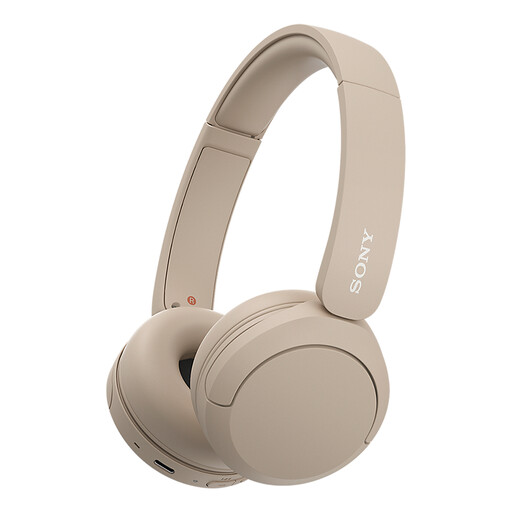
Why it suits this profile: This lightweight on-ear model is suitable for everyday listening, travelling and calls without the bulk of large over-ear headphones. Its stated battery life is more than enough for regular use.
The key features are clearly specified: USB-C, a microphone and multipoint. However, note the conflicting battery-life information: the product description states up to 50 hours, while the specifications table states 40 hours.
147 grams, AAC and SBC codecs, multipoint connection and an adjustable headband with soft ear cushions.
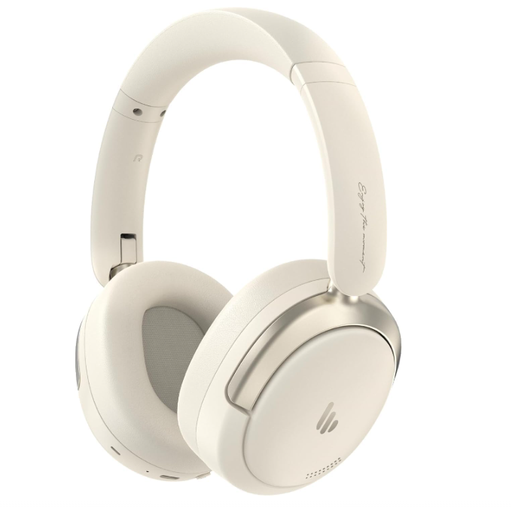
Why it suits this profile: The combination of over-ear design, hybrid ANC, a microphone and dual-device connectivity is well suited to working from home, travelling and extended listening.
The product information distinguishes between ANC and calls. The -44 dB claim comes from Edifier’s product information and should be understood as the manufacturer’s stated figure.
40mm drivers, Bluetooth 5.4, USB-C audio for Hi-Res according to the manufacturer, an integrated microphone and connection to two Bluetooth devices.
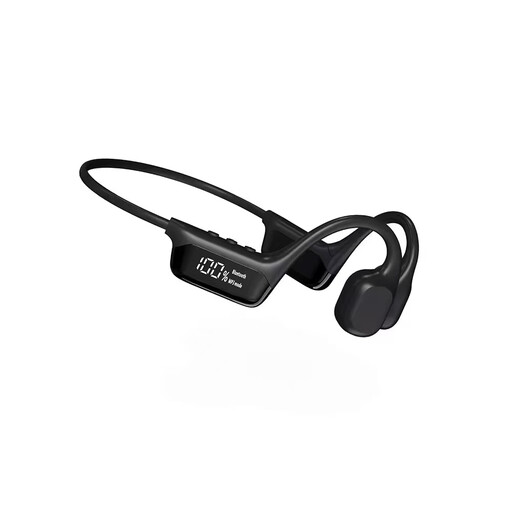
Why it suits this profile: The open-ear bone-conduction design is intended for running, cycling, the office and other situations where remaining aware of your surroundings is important. The product information also mentions a swimming mode.
Here, you are deliberately choosing an open-ear design instead of maximum isolation. Before swimming, check the recommended mode and make sure the charging port is dry.
Bluetooth 5.3, multipoint functionality according to the product information, an ear-hook design and a stated weight of 80 grams.
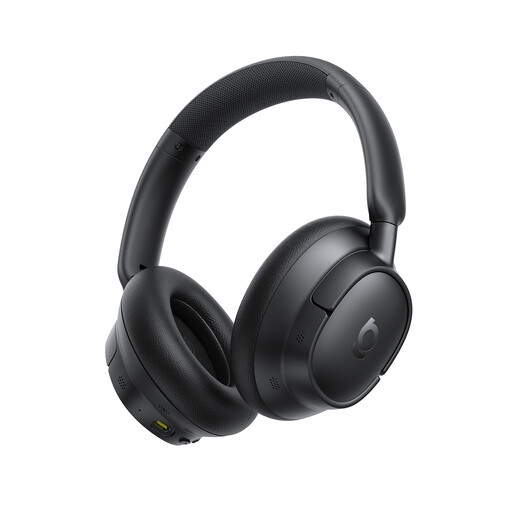
Why it suits this profile: The over-ear design, long stated playtime and five microphones according to the product description make it suitable for travelling, meetings and everyday use.
The product information lists 80 hours without ANC and 55 hours with ANC separately. This makes it clearer which usage mode the battery claim refers to.
Bluetooth 6.0 according to the product name, LDAC according to the product description, USB-C fast charging and multipoint connection.
We have put together a complete, up-to-date list of products that fully meet these strict selection criteria and the applicable European safety regulations.
First charge the headphones, switch on Bluetooth on your phone and put the device into pairing mode. Then select the product name from the Bluetooth list. Some models support Google Fast Pair or Microsoft Swift Pair. Remove an old pairing if the headphones do not appear.
Battery capacity, charging habits and usage conditions all affect operating time. A long battery life does not mean that the battery will retain the same capacity for years. Do not leave the device discharged for long periods, avoid extreme heat and use a suitable USB-C charger. With wireless earbuds, the battery in the charging case may eventually limit the total operating time.
ANC can reduce ambient sound and consequently limit your awareness of traffic. Therefore, do not use noise-cancelling headphones while cycling or in situations where you need to hear warning signals, unless local rules and conditions make this safe. Open-ear or bone-conduction headphones may allow more ambient sound through in such situations, but they are no substitute for staying alert.
