
Vandaag of morgen in huis

Kwaliteit gegarandeerd

Welkomstaanbiedingen ontgrendelen: GRATIS bezorging | Tot 80% korting | Gratis 30 dagen JoyPlus-proefperiode
Download de app
A pair of wireless headphones may seem simple to choose at first glance. You compare Bluetooth, battery life and price, then pick a model that looks appealing. However, the most important differences often lie in the details. For example, headphones may offer long battery life but feel heavy to wear. Or a model may be described as water-resistant when it is only protected against splashes.
For music, calls, travel, working from home and sport, three questions are particularly important: which wearing style suits your needs, how much surrounding noise do you want to hear and which specifications can be verified?
Brands and retailers often state the maximum playback time. This figure can vary depending on volume, codec, active noise cancellation and phone calls. For example, an over-ear model may last up to 50 or 60 hours without noise cancellation, but less when this feature is active continuously.
So pay attention to battery life with noise cancellation switched on if you often travel or work in a busy office. Also check the charging port. USB-C headphones are practical if you already use a USB-C cable for your smartphone or laptop.
Noise-cancelling headphones use active electronics to reduce certain surrounding sounds. Low, constant sounds such as train engines or air conditioning are generally the kind of noise this feature is designed for. Voices and sudden sounds may still be audible.
A transparency mode works in the opposite way: it lets surrounding sound through via the microphones. With open-ear headphones, awareness of your surroundings is an important part of the design, but music may therefore sound less isolated.
An IP code consists of numbers and letters that indicate what a product is protected against. IPX4, for example, indicates protection against splashing water; IPX5 offers greater protection against water jets under certain conditions. Neither rating automatically means that you can submerge the product.
According to the product details, the Soundcore C40i and AeroFit 2 have IPX4 and IP55 ratings respectively. This makes them more suitable for sweating or light rain than models for which no water resistance is stated. Always check the manual and usage restrictions.
Bluetooth 5.2, 5.3 and 5.4 are current versions found in the models on offer. However, the Bluetooth version alone does not tell you everything about sound quality or range. Also look for support for multipoint, codecs such as AAC, SBC or LDAC, and a possible wired connection.
Headphones used for calls benefit from multiple microphones and well-positioned microphone placement. The product details for some Soundcore models list two, four or six microphones. This is a verifiable product specification, but how clearly you are heard ultimately also depends on wind, your surroundings and the phone connection.
Weight is particularly relevant during extended use. According to the product specifications, the Sony WH-CH720N weighs 192 grams, while the Sony ULT WEAR weighs 255 grams. A heavier model may offer extra features or larger ear cups, but it will not feel comfortable to every user.
With in-ear models, the shape and the supplied ear tip sizes are at least as important as the weight. With an over-ear model, also check whether the headband is adjustable and whether the ear cups fold for transport.
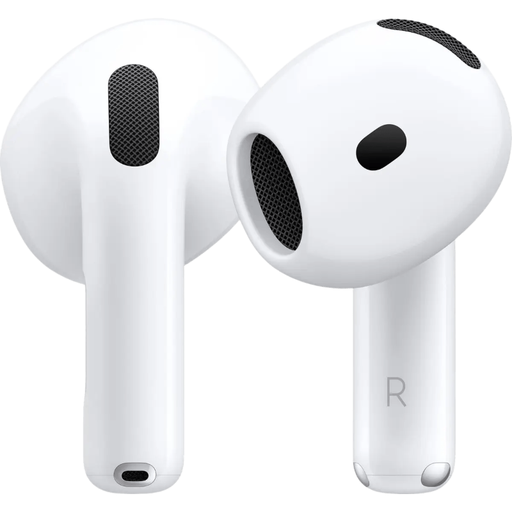
Why it suits this profile: This model is designed for everyday use and has a USB-C charging case, Bluetooth 5.3 and a stated total battery life of more than 30 hours with the case.
The product details do not mention active noise cancellation. You therefore do not pay for a feature you may not need. The stated IP54 specification does not mean that the model is waterproof.
Compact true-wireless design, USB-C charging case and support for spatial audio according to the product description.

Why it suits this profile: The combination of an over-ear design, active noise cancellation, a 42mm transducer system according to the product information and up to 60 hours of battery life is well suited to extended listening sessions.
The battery claim is linked to a specific maximum playback time. Bear in mind that, according to the safety information, this model is not water-resistant.
Up to 60 hours of battery life, adaptive noise cancellation, transparency mode and four microphones according to the product specifications.
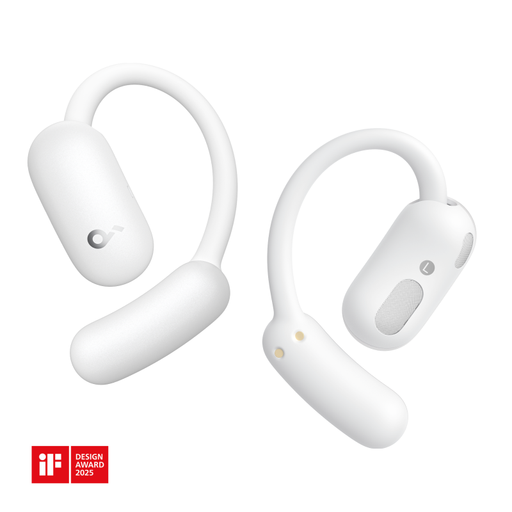
Why it suits this profile: The open-ear design, Bluetooth 5.4, two microphones and IP55 rating are tailored to calls, sport and everyday use.
The IP55 rating provides more specific information than simply calling it a ‘sports model’. The open-ear design also means you do not choose active noise cancellation when you want to remain aware of surrounding sounds.
Open-ear wearing style, 750 mAh battery, charging station and Bluetooth 5.4 according to the product details.
We have put together a complete, up-to-date list of products that fully meet these strict selection criteria and the applicable European safety regulations.
Switch on Bluetooth on your phone, turn on the headphones and activate pairing mode according to the manual. Then select the product name from the Bluetooth list. With some Apple models, a set-up window appears when you open the case near a compatible device.
Battery life depends on battery capacity, charging habits, volume and features such as noise cancellation. According to their product details, the models in this overview range from around 10 hours per charge for certain earbuds to up to 60 hours for an over-ear model. The battery itself deteriorates over time, so do not store the product completely flat for extended periods and use a suitable USB-C charger.
Yes, provided the model has a microphone and the fit suits your working environment. Headphones for calls with multiple microphones can be practical in a noisy environment, but also check for multipoint support if you want to use a laptop and smartphone at the same time. For a quiet home office, a simpler model without active noise cancellation may be sufficient.
