
Side sleeper who listens to an audio walk
Wants to listen to their own spoken guide from a phone, but finds the ear gets pressed when their head is on the pillow.


Choose a model that can play your own audio walk from your phone; one with built-in sleep sounds only won’t do the job. If you sleep on your side, compare low-profile earbuds with an audio headband that doesn’t put anything in your ear canal. Also check what happens if you drift off: Soundcore says the Sleep A20 starts built-in sleep sounds by default when it switches automatically. Keep the volume low and limit your listening time.
Wants to listen to their own spoken guide from a phone, but finds the ear gets pressed when their head is on the pillow.
Wants to follow the guide without putting anything in their ear canal, so compares a Bluetooth audio headband with in-ear earbuds.
Wants to know whether their own audio will keep playing or be replaced by sleep sounds, and wants to be able to limit listening time.
Start by checking whether the device can play your own audio walk from your phone. Then decide whether fit, what happens to the audio when you drift off, or avoiding in-ear earbuds matters most to you.
| What to consider | What should you check? | Who should prioritise this? |
|---|---|---|
| Playing your own audio | Check whether the model streams audio from your phone and whether sleep mode replaces your walk with built-in sounds. | If I want to hear my own narrated walk, a model with fixed sleep sounds only is not suitable. Around 29% of consumers prioritise playing their own audio. |
| Comfort on the pillow | Compare the profile, the available ear tips and the fit in your usual sleeping position. | When I lie on my side, I want to avoid an earbud pressing against the pillow. Around 29% of consumers prioritise comfort when lying down. |
| Audio when you drift off | Test your playback app’s timer and any automatic sleep mode separately. | If I drift off during the walk, I want to be able to choose whether the audio stops or continues. Around 24% of consumers prioritise control over playback. |
| No earbuds in the ear canal | Consider an audio headband and check whether the fabric, size and speaker position suit you and your pillow. | I don’t want an earbud in my ear canal, so I’m looking at a headband with speakers. Around 12% of consumers prioritise avoiding in-ear earbuds. |
| Volume and listening time | Keep the volume low and limit playback time; the World Health Organization identifies both sound level and listening time as factors in sound exposure. | If I listen before bed, I want to keep the volume low and avoid audio playing for longer than necessary. Around 6% of consumers prioritise controlling volume and listening time. |
The Bluetooth mode and sleep mode on the Sleep A20 work differently. Soundcore says the automatic switch starts built-in sleep sounds by default.
Check that the model streams your own audio, and try switching to sleep mode with your audio walk before you listen.
Belkin gives the SoundForm Anywhere a listening time of 6 hours for the earbuds and 26 hours including the charging case. That total doesn’t mean you can play audio continuously in bed for 26 hours.
Compare the stated listening time for the earbuds themselves with how long you want to use them for your audio walk.
Philips says production of the TAN7808GY/00 has ended. A listing for one doesn’t, by itself, tell you whether current support is available.
Before ordering, check the exact version with the seller and find out what support is available.
The Sleep A20 is designed for people who want to stream their own audio in bed using sleep earbuds.
The SoundForm Anywhere is a compact pair of Bluetooth earbuds for people who want to use the same pair during the day and when listening in bed.
SleepPhones Wireless is a Bluetooth audio headband for listeners who don’t want earbuds in their ear canals.
Sleepbuds are designed for people who use small earbuds and want to stream audio via a Smart Case.
The TAN7808GY/00 is a documented example for comparing sleep-earbud features with support for your own playlists.
This selection includes a Bluetooth headband with speakers and wireless in-ear earbuds for anyone who wants to play audio from a phone.
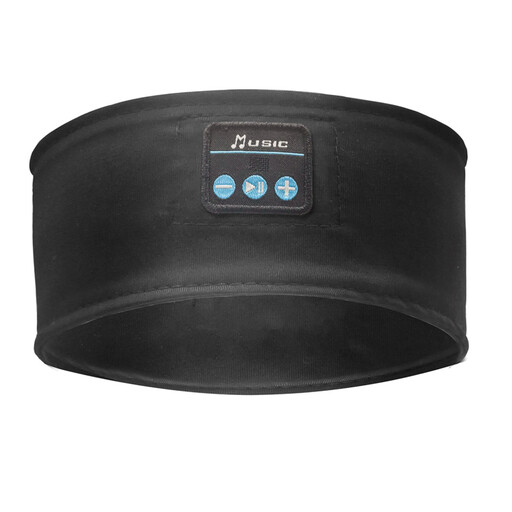 No image available
Could suit anyone who wants to stream audio from a smartphone without putting earbuds in their ear canals.
Elastic headband made from acrylic and polyester, with built-in speakers.
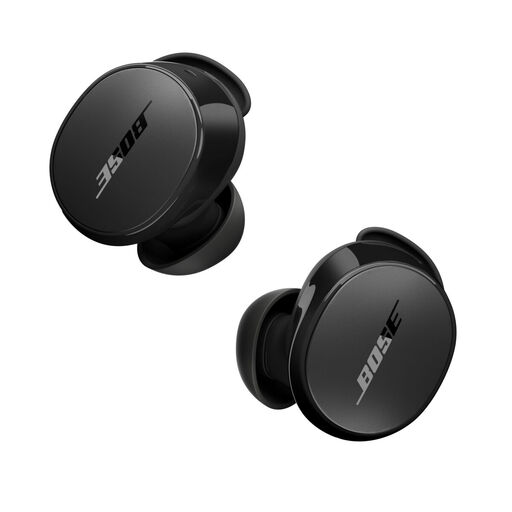 No image available
Could suit anyone who wants to listen to their own audio from a phone and is looking for an in-ear fit; check for yourself whether it stays comfortable when you lie on your side.
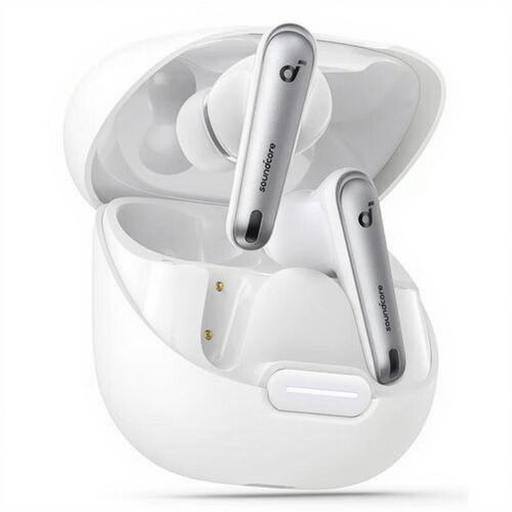 No image available
Could suit anyone who wants to listen to their own audio walk through wireless in-ear earbuds; check whether the fit is comfortable in your sleeping position.
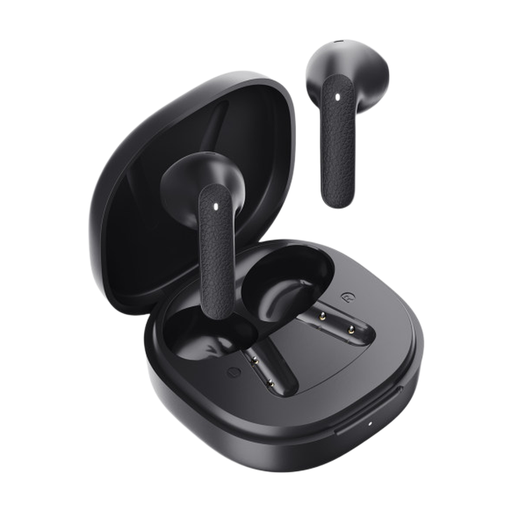 No image available
Could suit anyone who wants to use wireless earbuds to listen to audio from a smartphone; check the fit when listening with your head on a pillow.
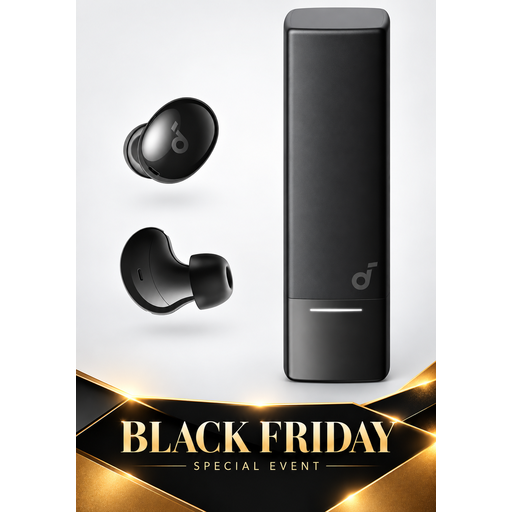 No image available
Could suit anyone looking for small, lightweight in-ear earbuds to listen to audio from a phone; check the fit in your own sleeping position.
The product name states a specified playback time of 15 hours and an IP54 rating.
No. Check that the exact model can stream audio from your phone. The Soundcore Sleep A20, for example, has a Bluetooth mode; Soundcore says its automatic sleep mode can start built-in sleep sounds.
Try the available ear tips in your usual sleeping position. For pressure discomfort with the Sleep A20, Soundcore recommends trying different tips or a softer pillow; a different tip may also change the seal. If earbuds remain uncomfortable, compare them with an audio headband.
Keep the volume low and limit your listening time. The World Health Organization gives an average of 80 dB for up to 40 hours per week as an example of safe listening exposure; this doesn’t equate to a guaranteed safe volume setting on every phone or pair of headphones.
For eligible distance purchases, a 14-day cooling-off period applies in many cases. The Government of the Netherlands lists exceptions and distinguishes between buying from a business and buying from a private seller. Check the seller and the terms for the specific product.
According to the Dutch Authority for Digital Infrastructure, radio equipment that meets the applicable European requirements must carry the CE marking to be traded in the EU. A product listing alone doesn’t confirm that an individual item meets those requirements.