
Vandaag of morgen in huis

Kwaliteit gegarandeerd

Welkomstaanbiedingen ontgrendelen: GRATIS bezorging | Tot 80% korting | Gratis 30 dagen JoyPlus-proefperiode
Download de app
Wireless headphones can seem instantly appealing on paper: long battery life, active noise cancellation and a modern Bluetooth version all sound convincing. However, one standout specification does not tell you everything. A model may offer long playback time but feel uncomfortable to wear. Or headphones with ANC may reduce background noise while the microphone performs less well during phone calls.
As a Joybuy Product Recommendation Officer, I focus primarily on verifiable product specifications and practical use cases. This helps you avoid paying for features you will hardly use.
Manufacturers often state battery life under specific conditions, such as a particular volume level with noise cancellation switched off. A model advertised as offering “up to 80 hours” may therefore last considerably less with ANC enabled. Also check whether the stated time applies to the earbuds alone or to the earbuds plus charging case.
Noise-cancelling headphones use microphones and electronics to reduce certain background sounds. Low, constant noises such as train engines or aeroplane noise are generally a different challenge from voices, bicycle traffic or sudden sounds. According to a brand’s own research, figures such as “up to -50 dB” may have been determined under specific test conditions. Treat such a claim as product information, not a guarantee that you will have the same experience in every environment.
Over-ear headphones can be comfortable for working from home but may feel warm during a walk. Wireless earbuds are more compact, but they will only stay securely in place if their shape and the included ear tips suit your ears. An IPX5 rating also does not mean that a product is suitable for submersion or swimming. Always check the exact usage restrictions.
A Bluetooth headset should be able to connect not only to your phone but also to your laptop, tablet or television if you want to use those devices. Multipoint Bluetooth allows you to keep two devices connected and switch between, for example, a laptop and smartphone. Check whether multipoint is supported by your operating system and device combination.
A higher Bluetooth version does not automatically mean audibly better sound quality. Codec support, antenna design and software also play a part. For gaming, low latency is more important than the version number alone. For example, the Sony PS5 Pulse Explore uses PlayStation Link with compatible devices and Bluetooth with other equipment, so check which connection you need for your platform.
Pay attention to three points:
Do not use long battery life as a reason to listen at high volume for hours on end. Regular breaks and moderate volume levels are still advisable.
Over-ear headphones surround the ear and can be comfortable for travelling and working. An on-ear model is often lighter and more compact. Wireless earbuds take up very little space, but the seal and fit have a significant effect on sound reproduction.
For calls, the number of microphones alone does not guarantee a clear conversation. Look for information about the presence of a microphone, noise cancellation during calls and the experiences mentioned for the product. For sport, a secure fit and suitable IP rating are more important than additional equaliser features.
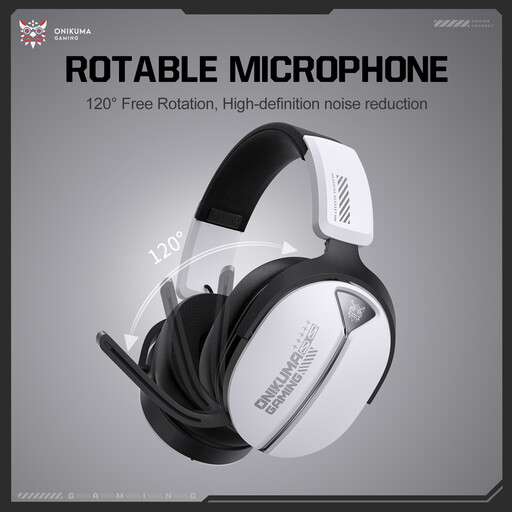
Why it suits this profile: This model is designed for everyday listening and straightforward operation. The physical buttons and volume wheel are practical for users who would rather not use touch controls.
The controls are clearly described and do not rely solely on a touchscreen. The frequency response of 20 Hz to 20 kHz is specified; however, check the full battery and connection specifications before buying.
Physical controls; frequency range of 20 Hz to 20 kHz according to the product listing.
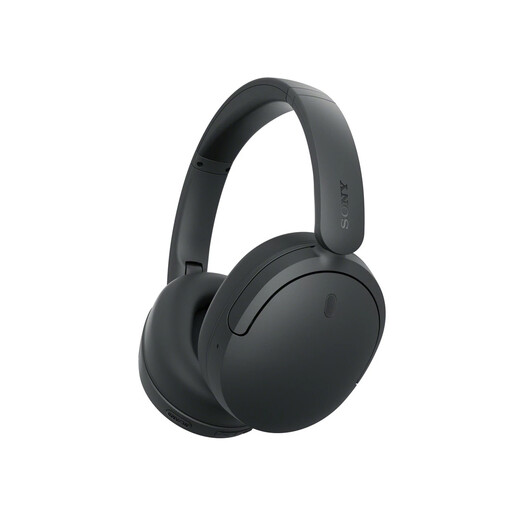
Why it suits this profile: A good choice for travellers and home workers who value ANC, multipoint and a foldable design. According to Sony’s product information, the quoted battery life is up to 75 hours when noise cancellation is switched off.
The product listing distinguishes between battery life with and without ANC. Before ordering, also check the weight, fit and the exact contents of the packaging.
ANC; multipoint for two Bluetooth devices; foldable design according to the product description.
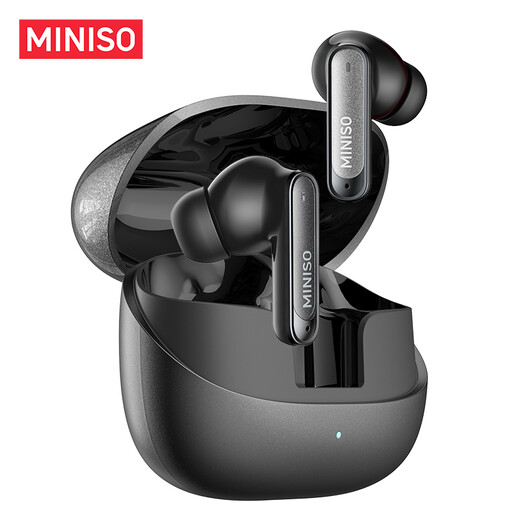
Why it suits this profile: These wireless earbuds are suited to commuting, office use and sport where a compact design is important. The product information states IPX5, a charging case and total battery life of up to 55 hours.
The IPX5 rating provides a clear reference point for sweat and splashes, but it is not a promise that the earbuds can be used for swimming. According to MINISO’s own research, noise cancellation can reach up to -50 dB; the actual experience depends on the fit and surroundings.
IPX5 according to the product listing; up to 55 hours of total battery life; support for connecting to two devices.
We have put together a complete, up-to-date list of products that fully meet these strict selection criteria and the applicable European safety regulations.
Use this quick checklist before placing an order:
For gaming, ordinary Bluetooth headphones are not always sufficient. A gaming headset or model with a dedicated low-latency mode may be a better fit, but check compatibility with PlayStation, PC, phone or console. For swimming, you should only choose a model whose product information explicitly describes it as suitable for use in water; sports headphones with splash protection are not automatically suitable.
Switch on the headphones, activate pairing mode and open the Bluetooth settings on your phone. Select the product name from the list. Fast Pair or Swift Pair can help with some models. If the connection does not work, remove an old pairing and charge the headphones sufficiently first.
Their lifespan depends on battery wear, charging habits, moisture, knocks and everyday use. Keep the model dry, avoid prolonged exposure to high temperatures and clean earbuds regularly with a soft, dry cloth. A battery that does not last as long does not automatically mean that the speakers are faulty.
The headphones use a small built-in battery and need to be charged regularly. ANC, high volume levels and additional features can increase power consumption. The electricity cost of each charge is usually limited; in practical terms, the main considerations are how often you need to charge the headphones and the condition of the battery.
