
Vandaag of morgen in huis

Kwaliteit gegarandeerd

Welkomstaanbiedingen ontgrendelen: GRATIS bezorging | Tot 80% korting | Gratis 30 dagen JoyPlus-proefperiode
Download de app
A wireless headphone with noise cancelling can reduce train noise, office chatter and background sound during a flight. However, a high dB rating or long battery life doesn't tell the whole story. A model might feel heavy, work poorly with your phone, or perform well only under ideal conditions.
This buying guide helps you compare the key features of a Bluetooth headphone, so you can make a more informed choice for music, travel, work, calls or gaming.
Brands sometimes quote a maximum noise reduction, such as -45 or -50 dB. That figure isn't a universal measure for every environment. Low-frequency rumbles, like those on a plane or train, are often handled differently from voices or sudden sounds. According to Baseus's own information, the EH10 NC can offer up to -45 dB of noise reduction; the real-world experience depends on factors such as fit, the ANC mode selected and your surroundings.
So don't just look at a number. Also check whether the headphone offers adaptive active noise cancellation, a transparency mode and adjustable levels.
A headphone with a long battery life can have a significantly shorter playtime when ANC is switched on. The Soundcore Space One Pro is rated at 60 hours without ANC and 40 hours with ANC. For the Baseus EH10 NC, the product description states 80 hours without ANC and 55 hours with ANC.
For everyday use, the battery life with noise cancelling is the most useful comparison. Also check the fast-charging time. A few minutes of charging can be handy when you're about to board a train and notice the battery is nearly empty.
Hi-Res Audio, LDAC and other codecs can support the transmission of audio data, but both devices need to support the feature. Your smartphone, tablet or laptop partly determines which codec is used. LDAC can also consume more power or be less stable in a busy Bluetooth environment.
So check the support on your source device. For simple podcasts and video calls, fit, microphone quality and a stable connection are often more important than a long list of audio terms.
With an ANC headphone, microphones and software work together to process ambient noise. A transparency mode lets more environmental sound through, which is useful during a conversation or at a station. For calls, multiple microphones and wind noise reduction are relevant, but the quality can vary depending on the environment.
Look out for these points:
Compare the battery life with ANC on and off. Also check whether the headphone charges via USB-C and whether a cable for wired use is included. Wireless use is convenient, but a wired option can be useful during gaming or when the battery is flat.
A model with 30 to 40 hours of ANC use may already be sufficient for many users. If you travel often or don't want to charge every day, it's better to look at models with 55 to 60 hours of ANC use.
An over-ear headphone usually seals around the ears better than an on-ear model. This can support the performance of ANC, but larger ear cups and a sturdy headband don't feel comfortable for everyone. Pay attention to:
A comfortable headphone should still feel good after a long work session. Fit is personal, so check the returns policy before you order.
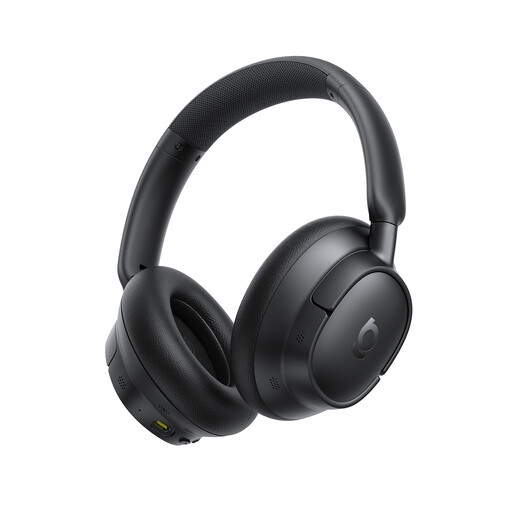
Why this fits the profile: This model combines over-ear comfort with ANC, LDAC and a stated battery life of up to 80 hours without ANC. That makes it a practical choice for daily listening, commuting and working from home when you want to compare features within your budget.
The product description lists both the battery life with and without ANC. It also specifies five microphones and adjustable ANC levels, so you can look beyond just one noise reduction figure.
LDAC support, up to 55 hours with ANC according to the product information, and 10 minutes of charging for up to 10 hours of playback.

Why this fits the profile: For those who prioritise sound reproduction, comfort and long listening sessions, this model offers a 42mm transducer system, adaptive ANC, transparency mode and a stated playtime of up to 60 hours.
The specifications list the battery life, charging method and wired use option separately. So you don't have to rely solely on wireless playback or marketing terms around audio.
Up to 60 hours of playtime according to the product information, app with equaliser and four microphones for calls.
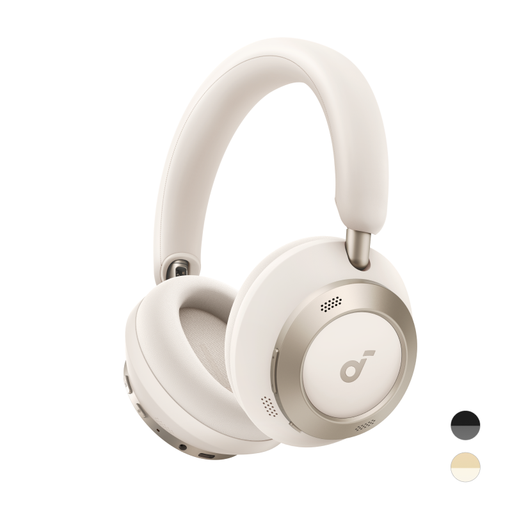
Why this fits the profile: The foldable design and stated 40-hour battery life with ANC suit train travel, flexible working and daily commuting. LDAC and Hi-Res Wireless Audio are interesting for compatible devices.
The product information distinguishes between ANC on and off and mentions a foldable design. That helps you assess use on the go rather than just looking at audio modes.
FlexiCurve folding technology, 60 hours without ANC and, according to the product description, 8 hours of playback after 5 minutes of charging.
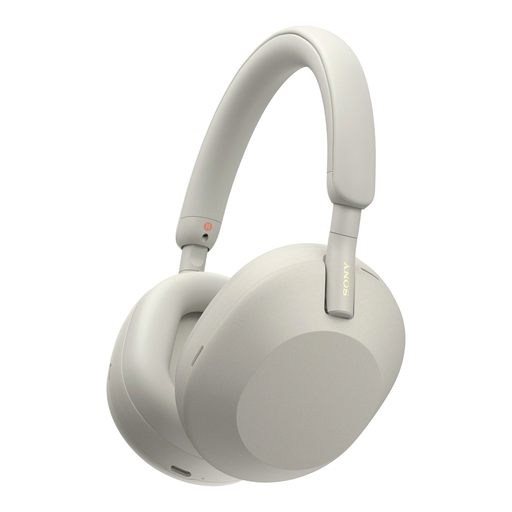
Why this fits the profile: This model is aimed at travellers and home workers who want multipoint, an app and an over-ear design. According to the product information, the battery life is 30 hours with noise cancelling and 40 hours without.
The stated usage time is broken down into ANC on and off. The product information also mentions four microphones per ear cup and pairing with two devices.
LDAC support, multipoint and, according to the product description, 5 hours of extra playtime after 10 minutes of fast charging.
We've put together a full, up-to-date list of products that fully meet these strict selection criteria and comply with current European safety regulations.
On many models, ANC works even when you're not streaming music, but the exact operation varies by product. Bluetooth is needed for wireless audio from a phone, tablet or laptop. Check the manual if you want to use ANC separately.
The usage time per charge varies widely, especially with ANC switched on. For daily use, charging habits, battery capacity and fast-charging function are more important than just the highest stated figure. Store the headphone in a dry place, avoid extreme temperatures and use a suitable USB-C cable.
That depends on the microphones, latency and connection. For meetings, multipoint and microphone noise reduction are practical. For competitive gaming, a low-latency mode or a wired connection may be more suitable. Always check whether the desired feature works with your device and operating system.
