
Vandaag of morgen in huis

Kwaliteit gegarandeerd

Welkomstaanbiedingen ontgrendelen: GRATIS bezorging | Tot 80% korting | Gratis 30 dagen JoyPlus-proefperiode
Download de app
Choosing a wireless headphone might seem straightforward: pick a colour, check the battery life and click to order. Yet disappointment often only sets in after a few weeks. A headphone can be too tight, disappoint on phone calls, or last less long when active noise cancellation is switched on.
With this guide, you can compare a Bluetooth headphone on verifiable features. That way, you can make a more informed choice between a wireless headphone, over-ear headphone, on-ear headphone or wireless earbuds.
A stated battery life is usually a guideline. The actual playtime depends on volume, codec, use of ANC and calls. For example, a model that lasts up to 50 hours without noise cancellation can run noticeably shorter with ANC switched on.
So look out for two values:
A noise-cancelling headphone uses microphones and electronics to reduce ambient noise. The effect varies by frequency, fit and environment. Low, constant sounds like the hum of a train are a different scenario from people talking or sudden noises.
Also check whether a transparency mode is available. This lets you hear ambient noise without taking the headphone off. Always maintain sufficient awareness of your surroundings when in traffic; a headphone is not intended for situations where you need to stay fully alert.
An over-ear headphone encloses the ear and can be comfortable during longer listening sessions, but is often larger and warmer. An on-ear headphone rests on the ear and is generally lighter and more compact. Wireless earbuds take up less space, but the fit is personal and can differ between ears.
So check the weight, the adjustability of the headband, the shape of the ear cushions and the possibility of replacing parts. For long-term use, comfort is at least as important as a striking colour or a long list of features.
Bluetooth 5.x tells you about the wireless connection, but doesn't only indicate how good the sound is. The supported audio codecs are also relevant. Models with SBC and AAC are widely compatible. According to the product specifications, LDAC can transmit more audio data, but how it works in practice also depends on your smartphone and audio source.
A multipoint connection is handy if you use a phone and laptop at the same time. You can then switch more easily between music, video and calls. Do check whether the feature is supported for your devices.
Always compare battery life under the same conditions. The CMF Headphone Pro, for example, is stated with a maximum of 100 hours without ANC and 48 hours with ANC. The Sony WH-CH720N is stated with a maximum of 50 hours without noise cancellation and 35 hours with ANC.
These are product specifications and not a guarantee for every user. A higher volume, lots of calls or a more intensive Bluetooth setting can shorten the usage time.
For a headphone for music and calls, microphones, wind noise reduction and the placement of the microphones are important. Don't just look at terms like "clear calls". According to some brands' own information, multiple microphones are designed to pick up voice better, but call quality also depends on wind, network connection and the phone you're using.
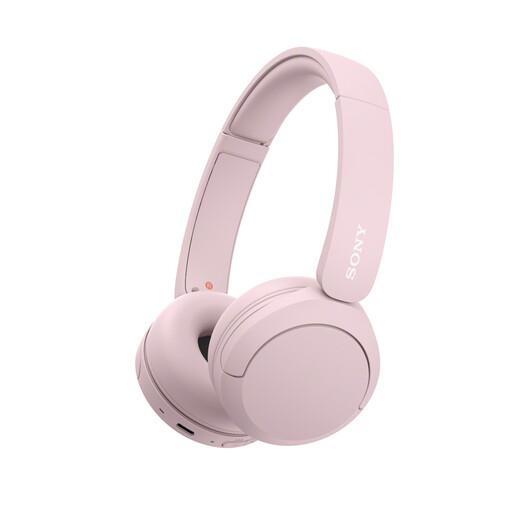
Why this fits the profile: This lightweight on-ear model weighs 147 grams according to the product specifications and is suitable for daily use, working from home and on the go.
The battery life is stated as a maximum of 50 hours, with quick charging for 1.5 hours of use after 3 minutes. Do check the current product specification, as the information mentions different battery values.
USB Type-C, multipoint connection, microphone and support for the Sony Headphones Connect app.

Why this fits the profile: The over-ear design is aimed at users who value comfort, customisable sound settings and a long usage time.
The stated battery life of up to 60 hours sits alongside adaptive ANC and a transparency mode, so you can adjust the mode to the situation.
42mm transducers, Bluetooth, app with equaliser and a supplied 3.5mm cable for wired use.
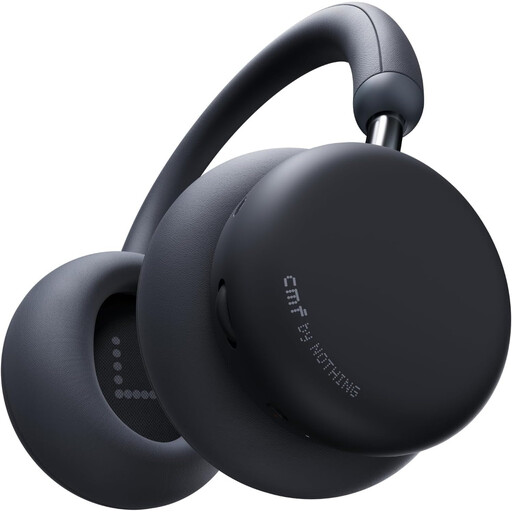
Why this fits the profile: This over-ear model is aimed at long listening sessions, work and travel thanks to multiple ANC modes and a stated long battery life.
The product specification clearly distinguishes between a maximum of 100 hours without ANC and 48 hours with ANC. That makes comparison more practical than a single battery figure.
Bluetooth 5.4, LDAC support, 40mm drivers, multipoint and replaceable ear cushions according to the stated specifications.
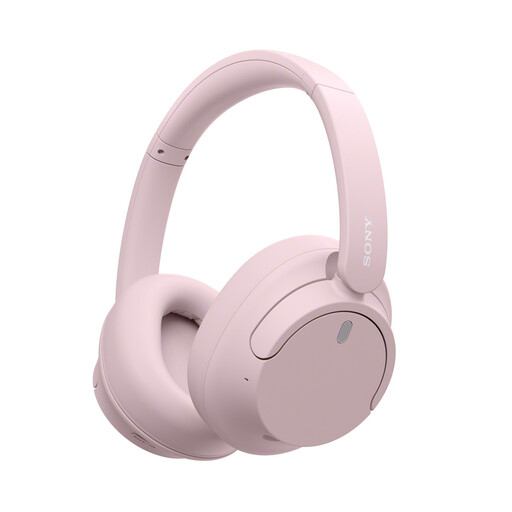
Why this fits the profile: The over-ear headphone combines active noise cancellation with multipoint, which is handy for train travel, studying and switching between laptop and phone.
The product specifications list separate values: a maximum of 50 hours without ANC and 35 hours with ANC. This allows you to estimate the expected usage time more realistically.
Active noise cancellation, USB Type-C, multipoint and an app where ANC settings can be adjusted.
We've put together a full, up-to-date list of products that fully meet these strict selection criteria and comply with current European safety regulations.
Turn on Bluetooth on your phone, put the headphone into pairing mode and select the product name from the list of available devices. On some models, Google Fast Pair, Microsoft Swift Pair or a brand app helps with the initial connection. If pairing doesn't work, remove an old Bluetooth connection and try again.
The lifespan depends on the battery, hinges, ear cushions and how you use it. Store the headphone in a dry place, avoid extreme heat and charge it with a suitable USB cable. Use a reasonable volume and take breaks during long listening sessions. A model with replaceable ear cushions can be practical if you want to keep using the product for longer.
Yes, active noise cancellation uses extra electronics and shortens the battery life on many models. So always compare the stated battery life with ANC on and off. Turn ANC off in a quiet room when you want to save battery.
