
Vandaag of morgen in huis

Kwaliteit gegarandeerd

Welkomstaanbiedingen ontgrendelen: GRATIS bezorging | Tot 80% korting | Gratis 30 dagen JoyPlus-proefperiode
Download de app
A wireless headphone might seem straightforward to choose at first glance. However, fancy terms like “long battery life”, “powerful bass” and “noise cancelling” can create expectations that don’t match every use case. The right choice depends on where you listen, how long you wear the headphones and which devices you want to connect.
Pay particular attention to three common pitfalls:
An on-ear headphone rests on your ears. This type is often compact and lightweight, but lets in more ambient noise. The Sony WH-CH520 weighs 147 grams according to the product information and has an adjustable headband and soft ear cushions. This makes the format practical for commuting, podcasts and daily use.
An over-ear headphone fully encloses your ears. This can be comfortable during long listening sessions and generally offers more passive sound isolation. The Sony ULT WEAR weighs 255 grams, has swivelling ear cups and a foldable design. Do check whether the ear cushions and headband remain comfortable during extended use.
In-ear buds are small and easy to carry. Pay attention to the included ear tips, the weight per bud and any IP rating. The Sony WF-C510 weighs 4.6 grams per bud according to the product specification and has an IPX4 rating against splashes. That doesn’t mean they’re suitable for submersion.
With a Bluetooth headphone, you need to distinguish between the battery life of the headphone itself and the total playtime including the charging case. For wireless earbuds, the sum of multiple charging cycles is often quoted.
So check:
Some Sony WH-CH520 listings state a battery life of up to 50 hours, while the technical specifications on the product page also mention 40 hours. See this as a reason to check the current product specification before purchase, not as a guarantee for every usage scenario.
The Marshall Major V is described in the product description as offering more than 100 hours of wireless playtime and up to 15 hours of use after 15 minutes of fast charging. For those who travel often or don’t want to charge daily, that’s a relevant specification. The actual duration depends on settings and usage.
Bluetooth 5.2 or Bluetooth 5.3 tells you about the Bluetooth generation used, but doesn’t alone indicate how well a headphone works in every home or train. Also look for multipoint, which lets you connect a laptop and phone simultaneously, for example.
A headphone with a microphone is handy for working from home and phone calls. The clarity of conversations also depends on the microphone placement, ambient noise and software. Brand descriptions about “clear calls” are claims from the manufacturer; so also check user reviews and the returns policy.
An IP rating is more concrete:
The JBL Wave Buds 2 have IP54 for the earbuds and IPX2 for the charging case according to the product information. That can be practical in light rain, but doesn’t prevent moisture from causing damage in every situation.
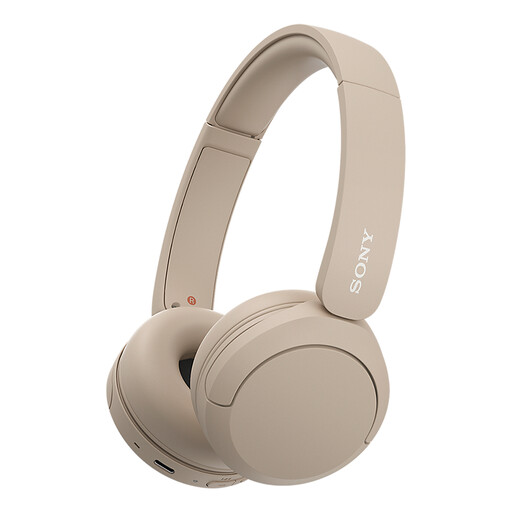
Why this fits the profile: This lightweight on-ear headphone is suitable for music, videos, podcasts and daily use without having to carry a large over-ear model.
The adjustable headband and soft ear cushions help with the fit. However, according to the product information, this model is not water-resistant.
147 grams, USB-C, microphone, multipoint connection and support for the Sony app. The product description mentions a long battery life; check the current specification.
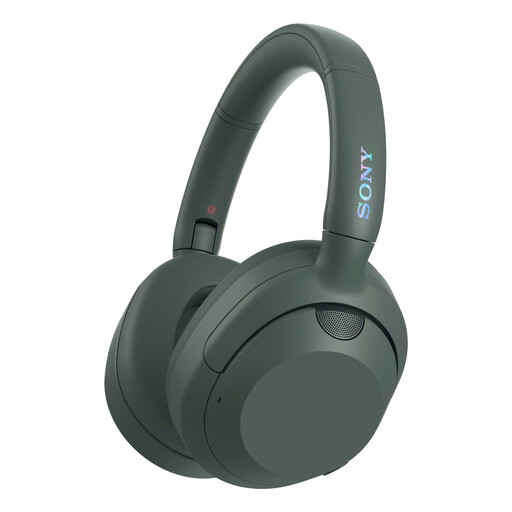
Why this fits the profile: This over-ear model is aimed at listeners who want active noise cancellation, deep bass and multiple sound modes for travel or home use.
The product information distinguishes between noise cancelling and Ambient Sound. This means you can’t simply assume ambient noise has completely disappeared.
Active noise cancellation, multipoint, microphone, foldable ear cups and a 3.5mm connection. According to the specifications, the battery life with noise cancelling is 30 hours.
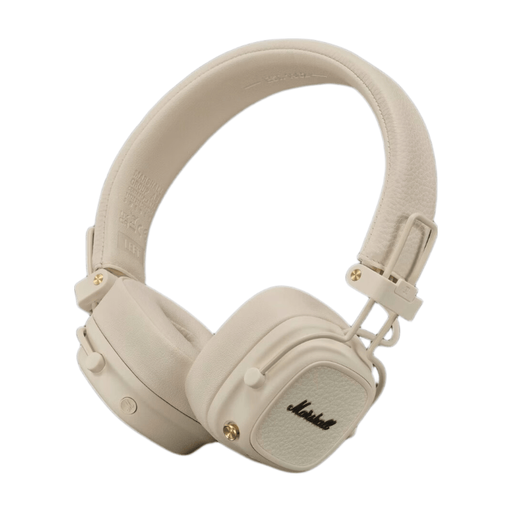
Why this fits the profile: This on-ear model suits travellers and heavy users who want to charge infrequently and also keep a wired option handy.
In addition to Bluetooth, the model offers a 3.5mm cable according to the product description. However, the headphone is not water-resistant and therefore needs protection from moisture.
Bluetooth 5.3, multipoint, USB-C, wireless charging and, according to the brand description, more than 100 hours of playtime.
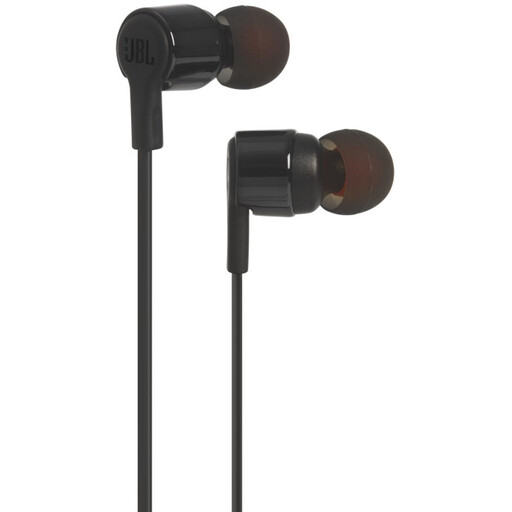
Why this fits the profile: These wired in-ear buds are suitable for devices with a 3.5mm connection and for users who don’t want Bluetooth pairing or battery management.
There’s no battery that can run out and no Bluetooth setup required. Do check beforehand whether your phone, tablet or laptop has a compatible connection.
3.5mm connection, built-in microphone, volume control and a lightweight in-ear design with multiple sizes of ear tips according to the product description.
We’ve put together a full, up-to-date list of products that fully meet these strict selection criteria and comply with current European safety regulations.
Turn on Bluetooth on your phone, put the headphone into pairing mode and select the product name from the list of available devices. Features like Google Fast Pair, Microsoft Swift Pair or multipoint can make connecting easier. If you have problems, consult the manual and check that the headphone isn’t already connected to another device.
The lifespan depends on battery usage, charging, storage and physical wear. Store the model in a dry place, avoid extreme heat and use a suitable USB-C cable. With earbuds, the charging contacts and the charging case also play a role. A wired headphone has no built-in battery, but the cable and connection can still wear out.
Not automatically. Wireless earbuds use a charging case and contain multiple small batteries. A Bluetooth headphone usually has one larger battery. Wired earbuds don’t use their own battery, but are only practical if your device has a compatible connection. So compare not just the purchase price, but also the necessary accessories, charging options and expected usage.
