
Vandaag of morgen in huis

Kwaliteit gegarandeerd

Welkomstaanbiedingen ontgrendelen: GRATIS bezorging | Tot 80% korting | Gratis 30 dagen JoyPlus-proefperiode
Download de app
A wireless headphone might seem simple to choose at first glance. You compare Bluetooth, battery life and price, then place an order. In practice, it’s the comfort, fit and right features that determine whether you’ll keep using the product every day.
For music, podcasts, films and hands-free calls, there are plenty of options: from wireless earbuds to an over-ear headphone. Apple, Samsung, JBL, Bose and Marshall models all put the emphasis on different things. So don’t just focus on brand names or flashy marketing terms.
A stated battery life often applies under specific conditions. With earbuds, it’s usually the playback time per charge, while the charging case adds extra charging cycles. With a headphone with long battery life, it’s important to check whether the quoted time is for music, calls or an energy-saving setting.
A model with 6 hours per charge may be enough for commuting. For long flights or several workdays without charging, an over-ear model with a larger battery might be a better fit.
Noise cancelling headphones and ANC earbuds use active noise reduction to reduce ambient sound. The result depends on the fit, the type of noise and the environment. Constant low tones, such as on a train or plane, are generally a different use case from voices in an office.
Also check whether a transparency mode or ambient mode is available. This lets you stay aware of traffic, announcements or colleagues. Don’t use noise reduction in situations where you need to hear your surroundings for safety.
In-ear earbuds are compact and easy to carry, but not everyone finds the fit comfortable. Check whether multiple sizes of ear tips are included. An on-ear headphone rests on the ear and is often lighter, while an over-ear headphone encloses the ear and offers more physical isolation.
Also pay attention to weight, headband pressure and whether the headphone can be folded. A product may have good specifications but still be impractical for daily use.
Bluetooth 5.3 or Bluetooth 6.0 tells you something about the Bluetooth generation used, but not automatically about sound quality. Check compatibility with your phone, tablet and laptop in particular. A Bluetooth headphone usually works with multiple devices, but features like quick switching, voice assistants or an app can differ depending on the operating system.
A multipoint connection is practical for home workers: you pair the headphone with, for example, a laptop and a smartphone. But do check whether multipoint is actually supported by the specific model.
For wireless headphones for music and calls, the number of microphones and their placement are relevant product specifications. Beamforming microphones are designed to pick up your voice from a specific direction. The final call experience is also affected by wind, traffic and the calling app.
If you have lots of meetings, it’s a good idea to check whether the manufacturer mentions a special microphone feature. Also look at the controls on the ear cup or earbud, so you can answer calls without reaching for your phone.
Compare the battery life per earbud or headphone and the total capacity of the charging case. USB-C is handy because the same cable is often used for other devices. Some models also support wireless charging.
An IP rating indicates what kind of dust or moisture a product is protected against. IP54 or IP57 does not mean you can swim with it. Always check the exact product description. The Samsung Galaxy Buds4 Pro has an IP57 rating for dust and splash water according to the product specifications; the manufacturer warns that submersion is not permitted. The Marshall Major V is not water-resistant according to the product information.
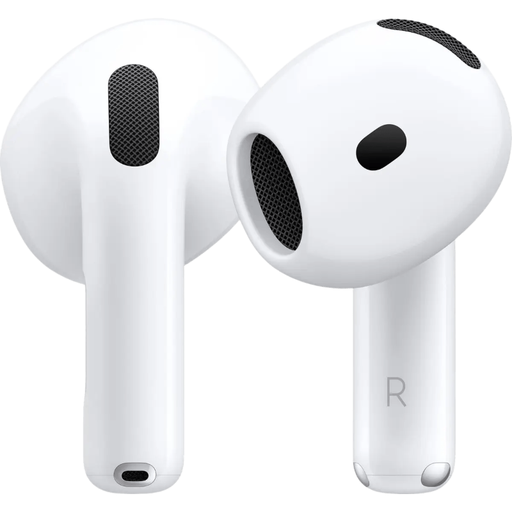
Why this fits the profile: This model is aimed at everyday use and offers simple Bluetooth pairing, especially within the Apple ecosystem. According to the product specifications, the charging case delivers more than 30 hours of total use time.
The product information clearly states that this model does not have active noise cancellation. So you’re not paying for an ANC feature you don’t need.
USB-C charging case, spatial audio and IP54 dust and splash water protection according to the product specifications.
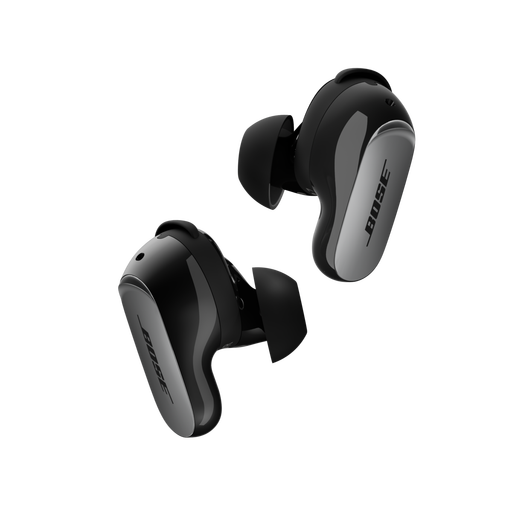
Why this fits the profile: For travellers and commuters looking for compact ANC earbuds, this model combines active noise cancellation with an Aware mode and Bluetooth 5.3.
The included Fit Kit contains three sizes of ear tips and stability bands. This helps you adjust the fit rather than relying solely on ANC marketing.
Up to 6 hours of playback time per charge, multipoint pairing and USB-C plus wireless charging of the case.

Why this fits the profile: Galaxy users get a model with ANC, 360 Audio, a customisable 9-band equaliser and Auto Switch between Galaxy devices.
The IP57 rating and battery figures are clearly stated: up to 7 hours without ANC, 6 hours with ANC and a maximum of 30 hours with the case. This makes comparison easier.
2-way speaker system, six microphones, USB-C and wireless charging. Check Android and Galaxy compatibility for full app features.
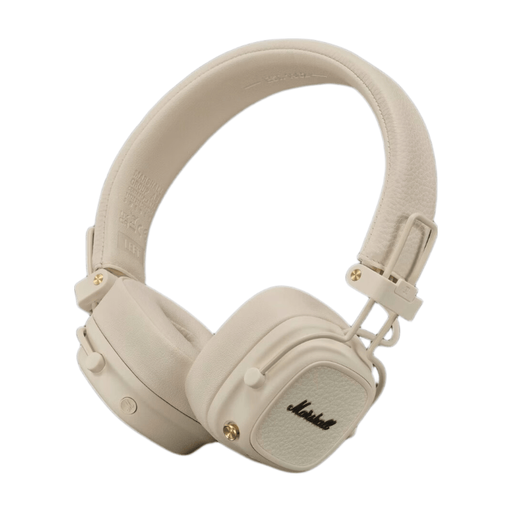
Why this fits the profile: This on-ear model is designed for users who listen for many hours and want a foldable headphone with a very long stated battery life.
The Major V supports a 3.5mm connection in addition to Bluetooth. This means you can keep listening when the battery is flat, as long as your device supports that connection.
More than 100 hours of stated wireless playback time, multipoint, wireless charging and a weight of 186 grams.
We’ve put together a full, up-to-date list of products that fully meet these strict selection criteria and comply with current European safety regulations.
Turn on Bluetooth on your smartphone, open the charging case or turn on the headphone, and select the model in the Bluetooth list. With Apple AirPods, a pairing window often appears when used with an iPhone. Android users can usually pair via the normal Bluetooth settings or a brand app.
If the connection doesn’t work, remove an old pairing, charge the earbuds and try again. Also check whether the product is already connected to another device.
The use time per charge varies widely: compact earbuds often offer a few hours, while larger over-ear models can work for considerably longer. The lifespan of the built-in battery decreases over time. Store the product in a dry place, avoid extreme heat and use a suitable USB-C charger.
The power consumption of a Bluetooth headphone or Bluetooth earbuds is generally low. The cost depends on the battery capacity, how often you charge and your electricity tariff. A bigger difference in daily use usually comes from battery life, charging convenience and the replaceability of the product, not from the small charging consumption itself.
