
Vandaag of morgen in huis

Kwaliteit gegarandeerd

Welkomstaanbiedingen ontgrendelen: GRATIS bezorging | Tot 80% korting | Gratis 30 dagen JoyPlus-proefperiode
Download de app
A wireless headphone makes listening to music, making calls and gaming much easier. However, a long list of features doesn't always tell you how it performs in daily use. A Bluetooth headphone might have a long battery life, but be uncomfortable to wear. And a model with ANC isn't automatically suitable for cycling, exercise or office conversations.
With this buying guide, you can compare the most important features of wireless headphones and earbuds in a practical way. The selection is based on verifiable product specifications, such as wearing style, Bluetooth version, battery life, microphone, IP rating and noise cancelling.
A claim like "up to 50 or 80 hours" usually applies under specific conditions, for example with noise cancelling switched off and at a certain volume level. On a noise cancelling headphone, ANC can reduce playback time. Always check:
Also watch out for conflicting information. With the Sony WH-CH520, a playback time of up to 50 hours is stated in some places, while the technical table lists 40 hours. Consider the lower, clearly specified value as a cautious indication.
Active noise cancellation, also known as ANC, uses microphones and electronics to reduce ambient noise. This is different from passive sound isolation provided by ear cushions or silicone tips.
An ANC headphone can be useful on the train, in the office or during a flight. For road safety, it remains important that you can still hear ambient noise. A transparency mode helps with this, but doesn't replace being alert.
An over-ear headphone distributes the weight across your head, while in-ear earbuds rely mainly on the correct fit. Without suitable ear tips, earbuds can come loose, feel less comfortable or let in more ambient noise.
Also check the IP rating. IPX4 means protection against splashes, but not against submersion. A product without an IP rating isn't automatically suitable for rain or exercise. So look at the specific usage advice in the product information.
Bluetooth 5.0, 5.2, 5.3 or 5.4 tells you about the wireless standard, but doesn't solely determine sound quality. Also look at:
For a headphone for music and calls, the number of microphones and their placement are relevant, but a product description isn't a guarantee of the same call quality in every environment. Also pay attention to weight, adjustability, controls and charging port.
A long battery life is practical, but comfort determines whether you'll actually use the product for hours at a time. Also keep the volume at a pleasant level and take breaks during prolonged listening.
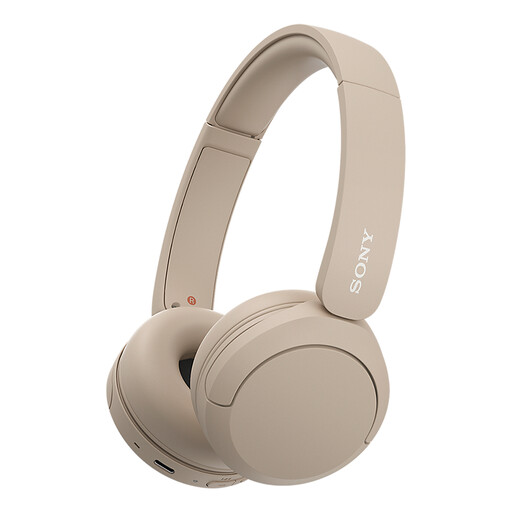
Why this fits: A lightweight on-ear headphone for working from home, podcasts, music and daily commuting.
The product information mentions an adjustable headband, soft ear cushions and Multipoint. No water resistance is specified, so don't use it deliberately in wet conditions.
147 grams, USB-C, microphone and connection to two devices according to the product specifications.
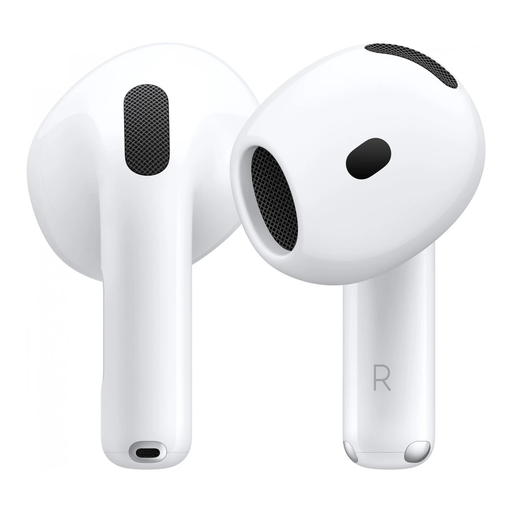
Why this fits: Handy for iPhone users who appreciate automatic pairing, transparency mode and a compact charging case.
The listing mentions ANC, Adaptive Audio and a transparency mode. The specifications don't mention waterproofing; IP54 is described as dust and splash protection.
Bluetooth 5.3, USB-C and, according to the product description, up to 5 hours of music per charge and more than 30 hours with the case.
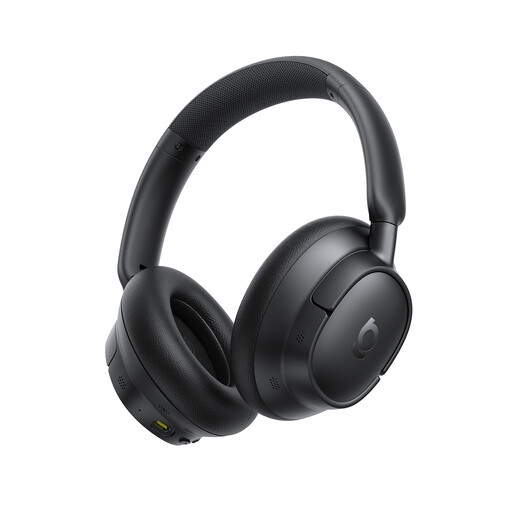
Why this fits: An over-ear model for long train journeys, workdays and users who want to charge less often.
The stated ANC value of up to -45 dB is a brand claim; don't treat this as guaranteed noise reduction in every environment.
According to the product description, up to 80 hours without ANC, 55 hours with ANC and support for LDAC and multipoint.
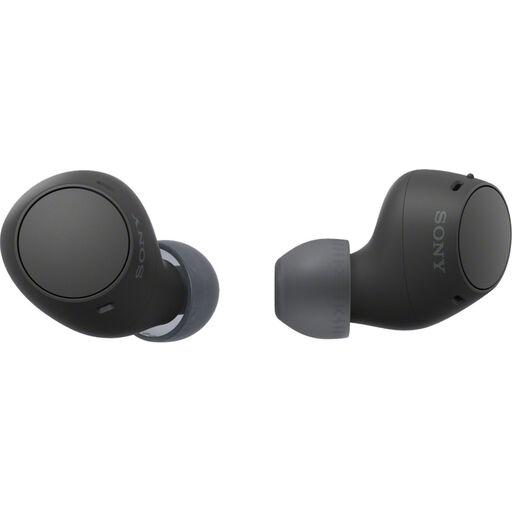
Why this fits: Compact in-ear earbuds for walking, fitness and daily travel.
The IPX4 rating means splash protection, not suitable for swimming or submersion. Use the correct fit for movement.
4.6 grams per earbud, Bluetooth 5.3, multipoint and up to 22 hours of battery life including the charging case according to the listing.
Browse a current selection of wireless noise-cancelling headphones and compare features such as ANC, battery life, wearing style and Bluetooth.
Yes, models with a built-in microphone can be used for phone calls, online meetings and voice assistants. Clarity depends on microphone placement, ambient noise, Bluetooth connection and software. Also check whether the headphone supports multipoint if you want to switch between your phone and laptop.
This varies per model and usage. ANC, volume, codec and phone calls can affect usage time. An over-ear model can, according to the product information, achieve tens of hours, while wireless earbuds usually get multiple charges from their case. Always look at the battery life with the features you actually use.
A Bluetooth headphone uses relatively little power. The exact cost depends on the battery capacity, charging frequency and electricity price. USB-C charging is especially practical because the same cable can often also be used for a smartphone or tablet. The lifespan of the built-in lithium-ion battery is usually more important for the total cost of use than the power consumption per charge.
