
Vandaag of morgen in huis

Kwaliteit gegarandeerd

Welkomstaanbiedingen ontgrendelen: GRATIS bezorging | Tot 80% korting | Gratis 30 dagen JoyPlus-proefperiode
Download de app
For competitive gamers, every millisecond counts. In fast-paced FPS games, the difference between winning and losing can depend on the speed and precision of your gear. A heavy mouse or a stuttering connection is not an option. The search for the perfect wireless gaming mouse can be overwhelming with all the specs and marketing terms.
This guide is designed to help. We cut through the noise and focus on the specifications that truly matter for competitive gaming. Here you'll find objective information and practical recommendations to help you make an informed decision.
Before we look at specific models, it's important to know which features define a professional gaming mouse. Focus on the following three pillars.
For fast-paced games like FPS titles, a lightweight gaming mouse (typically under 60 grams) is a major advantage. A lighter mouse reduces fatigue in your wrist and arm, allowing you to react faster and adjust your aim more accurately ('flick shots'). Additionally, the shape is crucial. An ergonomic gaming mouse that fits your hand and grip style (palm, claw, or fingertip) provides comfort and control during long gaming sessions.
The sensor is the heart of your mouse. Two specifications are crucial here:
high-DPI mouse can detect more movement with a smaller physical displacement. Although many mice advertise extremely high DPI values, most professional players use a setting between 400 and 1600 DPI. However, a high maximum DPI is an indicator of a high-quality sensor.esports mouse models go a step further with an 8000Hz polling rate, which reduces latency (delay) to a virtually imperceptible level.The fear of lag with wireless mice is a thing of the past. Modern 2.4GHz RF technology (via a USB dongle) offers a connection that is on par with a wired mouse in terms of speed and stability. Many models also offer Bluetooth as an additional option, which is useful for use with other devices, although 2.4GHz RF is preferred for serious gaming sessions.
Based on the criteria above, we have selected a few wireless gaming mice that excel in performance for the competitive player.
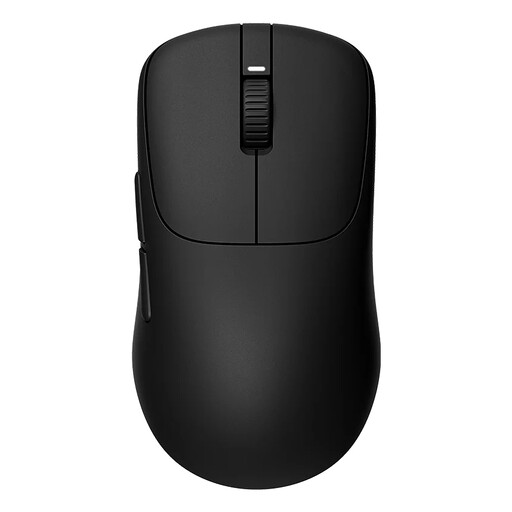
View the Sony INZONE Mouse Gaming Right-Hand
Why this model stands out The Sony INZONE mouse is an ultra-lightweight powerhouse, designed with input from the professional esports team Fnatic. Weighing just 48.4 grams, it's one of the lightest mice in its class. At the core of its performance is the custom PixArt 3950IZ sensor and an 8000Hz polling rate, ensuring extremely low latency and superior tracking. According to Sony, the mouse offers up to 90 hours of wireless use on a full charge.
Pros
Who is this mouse for? For the FPS gaming mouse purist who strives for the highest possible performance. If every gram and every millisecond counts in your quest for victory, this model is a serious contender.
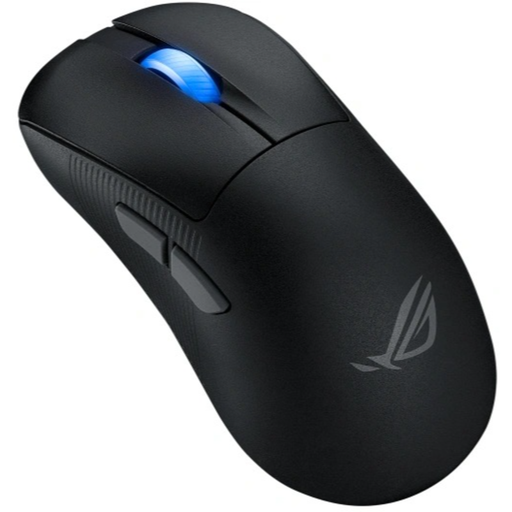
View the ASUS ROG Keris II Ace Wireless AimPoint Black
Why this model stands out The ASUS ROG mouse Keris II Ace combines a lightweight design (54 grams) with a comfortable, ergonomic shape for right-handed users. What immediately stands out is the ROG AimPoint Pro optical sensor with an impressive resolution of up to 42,000 DPI. The mouse supports a polling rate up to 8000Hz in wired mode and offers stable wireless performance via RF 2.4GHz. Its versatile connectivity (RF, Bluetooth, and wired) makes it highly adaptable.
Pros
Who is this mouse for? For the competitive gamer seeking a comfortable, right-handed ergonomic gaming mouse with a top-tier sensor and the flexibility of multiple connection options.
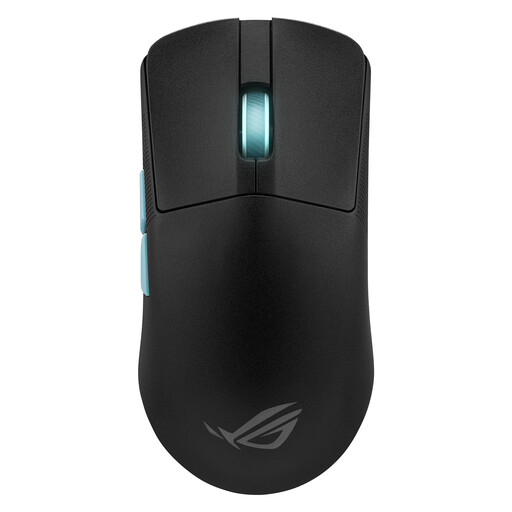
View the ASUS ROG Harpe Ace Aim Lab Edition
Why this model stands out This esports mouse is the result of a collaboration between ASUS and Aim Lab, the renowned aim-training software. Its symmetrical, ambidextrous design makes it suitable for both left- and right-handed players. Weighing 54 grams and featuring a sensor that goes up to 36,000 DPI, the Harpe Ace is built for precision. The Aim Lab Settings Optimizer feature in the software even helps you find the settings that best suit your playstyle.
Pros
Who is this mouse for? For both left- and right-handed gamers looking for a symmetrical, lightweight, and extremely precise mouse. The collaboration with Aim Lab makes it an interesting choice for players who are serious about their aim.
The world of gaming hardware is vast. If the models above aren't exactly what you're looking for, or if you're curious about other wireless accessories with features like Bluetooth, feel free to browse our wider selection.
Discover more wireless accessories on Joybuy
Yes. Modern wireless mice using 2.4GHz RF technology have latency so low that it's practically indistinguishable from a wired connection. For competitive gaming, this is no longer a disadvantage.
While many mice advertise extremely high DPI values, most professional FPS players use a relatively low setting, often between 400 and 1600 DPI. This provides more control for precise adjustments. However, a mouse with a high maximum DPI value does indicate an advanced and capable sensor, which is a plus, even if you don't use that maximum value.
lightweight gaming mouse (under 60-65 grams) reduces physical strain and inertia, allowing you to react faster and with less effort. This can lead to better precision and less fatigue during long gaming sessions.