
Vandaag of morgen in huis

Kwaliteit gegarandeerd

Welkomstaanbiedingen ontgrendelen: GRATIS bezorging | Tot 80% korting | Gratis 30 dagen JoyPlus-proefperiode
Download de app
For competitive gamers, every millisecond counts. A slow reaction, an imprecise movement, or a lagging connection can be the difference between victory and defeat. The search for the right wireless gaming mouse is therefore not a luxury, but a necessity. However, the market is flooded with marketing terms and specifications that confuse more than they clarify.
This overview is intended as a practical guide. We cut through the noise and focus on the specifications that truly matter for performance-oriented gamers. Here, you'll find objective information to help you make a choice that fits your playstyle.
Before we look at specific models, it's helpful to know which specifications directly impact your performance.
In fast-paced games like FPS shooters, a lightweight gaming mouse is often an advantage. A lower weight allows you to move and stop the mouse faster, which is essential for quick flicks and tracking targets. Furthermore, it reduces fatigue during long gaming sessions. Mice under 65 grams are generally considered ultralight and are popular in the esports world.
The sensor is the heart of your mouse. DPI (Dots Per Inch) indicates the mouse's sensitivity. Although a high-DPI mouse sounds impressive, most professional gamers use a relatively low DPI setting (between 400 and 1600) for greater control. What's more important is the quality of the sensor itself: its accuracy and ability to register movements without deviations (like 'smoothing' or 'acceleration'), even at high speeds.
The polling rate, measured in Hertz (Hz), indicates how often the mouse reports its position to the computer. The standard for a fast gaming mouse is 1000Hz, meaning the position is updated 1000 times per second. Some advanced models offer a high polling rate gaming mouse of 4000Hz or even 8000Hz. This can result in even smoother cursor movement and a fractionally faster response time, which can make a noticeable difference for a professional gaming mouse.
Based on the criteria above, we have selected a few models that stand out for their specifications.
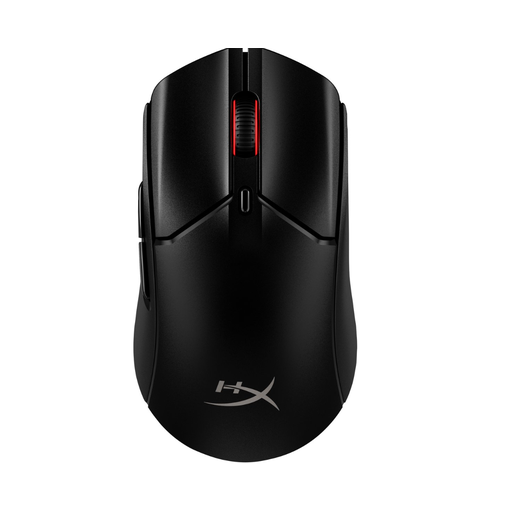
Why It Stands Out The Pulsefire Haste 2 Wireless offers a solid balance between low weight, long battery life, and reliable performance. Weighing just over 60 grams and with a battery that HyperX claims lasts up to 100 hours, this is a workhorse for long sessions.
Key Specs
Who It's For The all-around gamer looking for a reliable and lightweight wireless gaming mouse without breaking the bank. Its dual connectivity also makes it convenient for use with multiple devices.
View the HyperX Pulsefire Haste 2 Wireless
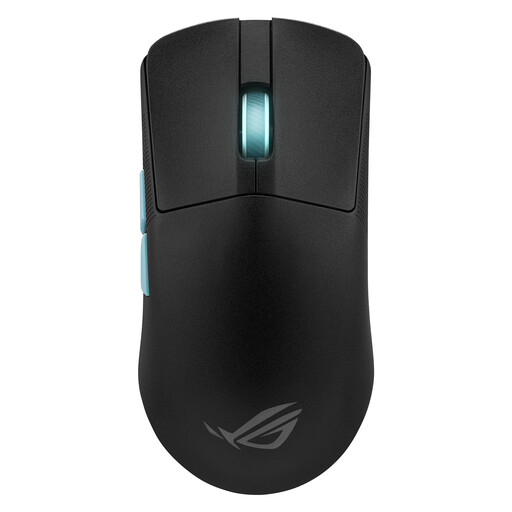
Why It Stands Out This esports mouse was developed in collaboration with Aim Lab, a popular training tool for FPS players. Its ultralight 54-gram weight and symmetrical design are entirely focused on precision and speed.
Key Specs
Who It's For The serious FPS gaming mouse player for whom every gram counts. The low weight and focus on precision make this an excellent choice for anyone looking to improve their aim.
View the ASUS ROG Harpe Ace Aim Lab Edition
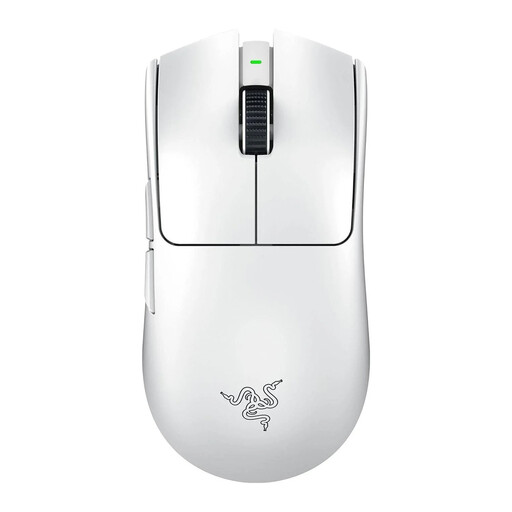
Why It Stands Out The Viper V3 Pro combines an ultra-low weight with an extremely high polling rate. According to Razer, this mouse can achieve a polling rate of up to 8000Hz, providing an exceptionally smooth and responsive experience. This model was designed with input from esports pros.
Key Specs
Who It's For The esports athlete and the most demanding competitive gamer seeking the lowest possible latency. The high polling rate can offer a tangible advantage in situations where every fraction of a second counts.
View the Razer Viper V3 Pro Wireless
The focus here is on performance, speed, and low weight. But perhaps you're looking for a mouse with different features, such as quieter clicks for late-night gaming sessions. In that case, another type of mouse might be a better choice.
? Check out our selection of quiet wireless gaming mice for more options.
1. Is a wireless gaming mouse really as fast as a wired one? Yes. Modern wireless technology, especially via a 2.4GHz connection, has a response time that is virtually identical to a wired mouse. The latency is so low that it's imperceptible to humans. For competitive gaming, a 2.4GHz connection is always recommended over Bluetooth.
2. How important is a high DPI for a gaming mouse? A high DPI value is primarily a marketing tool. It indicates how sensitive the mouse is, but more isn't always better. Most professional players use a lower DPI (400-1600) for more control and precision. The quality and accuracy of the sensor are far more important than an extremely high DPI number.
fast gaming mouse, a 1000Hz polling rate is the standard, while models with 4000Hz or 8000Hz can offer an even more direct response.