
Vandaag of morgen in huis

Kwaliteit gegarandeerd

Welkomstaanbiedingen ontgrendelen: GRATIS bezorging | Tot 80% korting | Gratis 30 dagen JoyPlus-proefperiode
Download de app
As a competitive gamer, you know that every millisecond counts. A lagging connection or a mouse that's just slightly too heavy can be the difference between victory and defeat. The quest for the perfect wireless gaming mouse can be overwhelming with all the specs and marketing jargon.
This guide is designed to help. We cut through the noise and focus on the specifications that truly matter for performance. Here, you'll find practical information and a selection of popular models, so you can make a choice that suits your playstyle.
Before we dive into the products, here are a few key factors to consider. These specifications determine how the mouse feels and performs during intense gaming sessions.
For fast-paced games like FPS and MOBAs, a lightweight gaming mouse is often an advantage. A mouse under 70 grams reduces wrist fatigue and makes quick, precise movements (flicks) easier. The shape is personal and depends on your grip style (palm, claw, or fingertip). A symmetrical design is often suitable for both left- and right-handed players, while an ergonomic shape is designed specifically for right-handed use.
The sensor is the heart of your mouse. A high-DPI gaming mouse (Dots Per Inch) doesn't automatically mean it's better. DPI is a measure of sensitivity. Most professional players use a relatively low DPI (between 400 and 1600) and adjust the sensitivity within the game itself. What's more important is the quality of the sensor: does it deliver accurate tracking without acceleration or stuttering?
Another crucial factor is the polling rate, measured in Hertz (Hz). This indicates how often the mouse reports its position to the computer. The standard for a responsive gaming mouse is 1000Hz (1ms response time). Some new models offer even higher polling rates, which can further reduce input lag.
Modern wireless gaming mice use a stable 2.4GHz connection via a USB dongle. This technology is so refined that the difference compared to a wired mouse is unnoticeable in practice. Some mice also offer Bluetooth as an additional option, which is convenient for use with other devices, but for gaming, 2.4GHz is the recommended choice. Also, pay attention to the battery life. A long battery life means you'll charge less often and can stay focused on your game.
Based on the criteria above, we've rounded up some compelling options for you. These models are popular among gamers for their specifications and performance-focused designs.
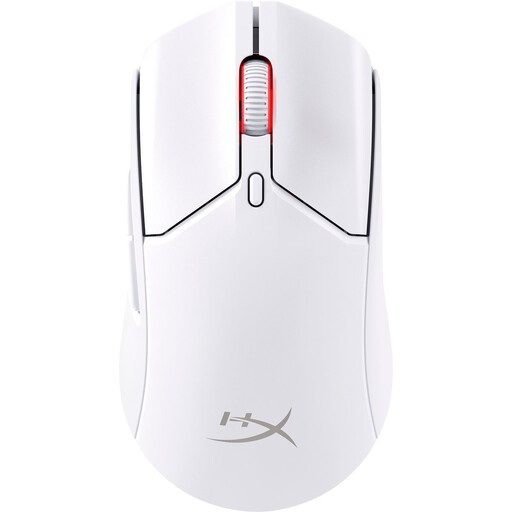
Why It Stands Out The HyperX Pulsefire Haste 2 Wireless offers a strong combination of low weight, long battery life, and flexible connectivity. With its solid shell, it feels sturdy despite its light weight.
Key Features
Who It's For The all-around competitive gamer looking for a lightweight, reliable esports mouse without compromising on battery life or functionality. Suitable for various genres, from FPS to MOBAs.
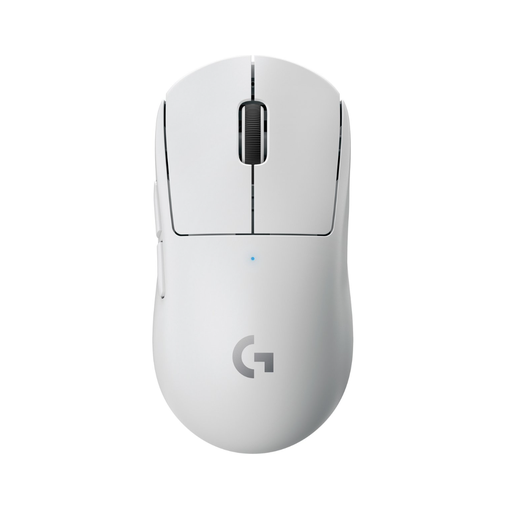
Why It Stands Out The Logitech G Pro X SUPERLIGHT is a renowned name in the esports world. Logitech G states that this model was designed in collaboration with professional gamers. Its minimalist design is entirely focused on performance.
Key Features
Who It's For For the serious FPS mouse user and esports athlete looking for a proven, no-nonsense tool. If you want a mouse designed with one goal in mind—winning—this is a strong contender.
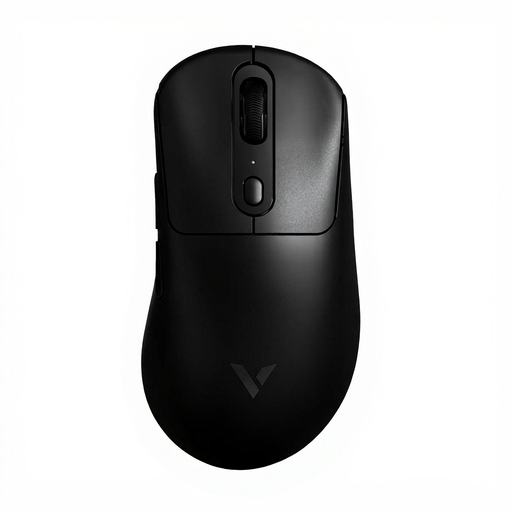
Why It Stands Out The RAPOO VT3PRO MAX focuses on advanced technical specifications. With a weight of just 59 grams and a wireless polling rate of 8KHz, this model targets gamers who want to push the boundaries of technology.
Key Features
Who It's For For the tech-savvy gamer interested in the latest specifications. The 8KHz polling rate and ultra-low weight make this an interesting high-speed gaming mouse for players who want to leverage every possible advantage.
Many of these performance-focused mice are designed with a sleek, minimalist aesthetic. If you have a setup to match, or simply want a different color, there are plenty of options.
? Check out our selection of white computer mice for more choices.
Yes, modern wireless mice using a 2.4GHz connection have a response time that is humanly indistinguishable from a wired mouse. The input lag is so minimal (often 1ms) that it poses no disadvantage in competitive games.
There is no "correct" DPI; it's a matter of personal preference. Most professional FPS players use a DPI setting between 400 and 1600. A lower DPI provides more control for precise adjustments, while a higher DPI allows for faster turns. It's advisable to start with a lower DPI and adjust the in-game sensitivity.
For fast-paced games like shooters (FPS) and MOBAs, weight is very important. A lightweight gaming mouse (usually under 70 grams) reduces the effort required to move and stop the mouse. This can lead to faster reactions, more accurate aiming, and less fatigue during long gaming sessions.
