
Vandaag of morgen in huis

Kwaliteit gegarandeerd

Welkomstaanbiedingen ontgrendelen: GRATIS bezorging | Tot 80% korting | Gratis 30 dagen JoyPlus-proefperiode
Download de app
In competitive gaming, every millisecond counts. A lagging connection or a mouse that's just slightly too heavy can mean the difference between victory and defeat. The search for the perfect wireless gaming mouse can be overwhelming due to all the specs and marketing jargon. This guide is here to help. We'll break down the facts and highlight some top contenders, empowering you to make an informed decision for your next gaming mouse purchase.
Before we dive into products, it's useful to know which specifications truly matter for competitive performance.
A lightweight gaming mouse isn't a trend; it's a functional necessity for many players. A mouse under 60 grams reduces drag and fatigue, allowing you to react faster and maintain sharp aim for longer. Especially in an FPS gaming mouse, where quick flicks and tracking are essential, a lower weight can offer a noticeable advantage. Additionally, the shape must fit your hand size and grip style (palm, claw, or fingertip) for optimal control.
The sensor is the heart of your mouse. A high-DPI mouse sounds impressive, but most professional players use a relatively low DPI setting (400-1600). However, a high maximum DPI value, such as 30,000 or more, does indicate a very capable and precise sensor. More important are the Polling Rate (expressed in Hz), which indicates how often the mouse reports its position to the computer, and IPS (Inches Per Second), the maximum speed at which the sensor can accurately track movement. For an esports mouse, a 1000Hz polling rate is the standard, but newer models go up to 8000Hz for a near-instantaneous response.
The fear of latency in wireless mice is a thing of the past. Modern 2.4GHz radio frequency (RF) connections, like those from Logitech, Sony, and ASUS, offer a response speed that is equivalent or even superior to that of many wired mice. This gives you the freedom of movement of a wireless setup without compromising on performance, which is essential for a professional gaming mouse.
Based on objective specifications that are important for competitive gamers, we have selected the following models.
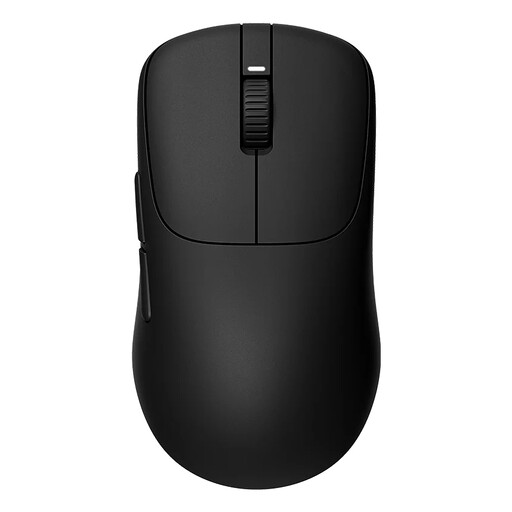
Why it stands out The Sony INZONE mouse is designed with one goal in mind: maximum speed. Weighing just 48.4 grams, it is one of the lightest mice on the market. What truly sets it apart is its shape—developed in collaboration with esports team Fnatic, according to Sony—and its exceptionally high 8000Hz polling rate. This results in extremely low latency, translating your movements to the screen almost instantly. The custom PixArt 3950IZ sensor offers a maximum resolution of 30,000 DPI for ultimate precision.
Pros
Who is it for? For the player seeking the fastest possible response and the lowest possible weight. Ideal for fast-paced arena shooters and other games where reaction time is crucial.
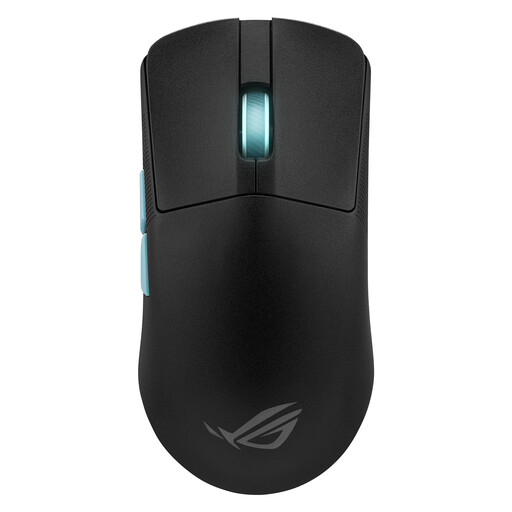
Why it stands out The ASUS ROG Harpe Ace is a versatile esports mouse that stands out with its symmetrical, ambidextrous design. This makes it suitable for both left- and right-handed players. At 54 grams, it is still very light. The sensor offers an impressive maximum resolution of 36,000 DPI. Another key feature is its connectivity flexibility: you can choose between RF wireless, Bluetooth, or a wired USB connection.
Pros
Who is it for? For left- or right-handed gamers who want a light, precise, and versatile mouse that can adapt to different situations.
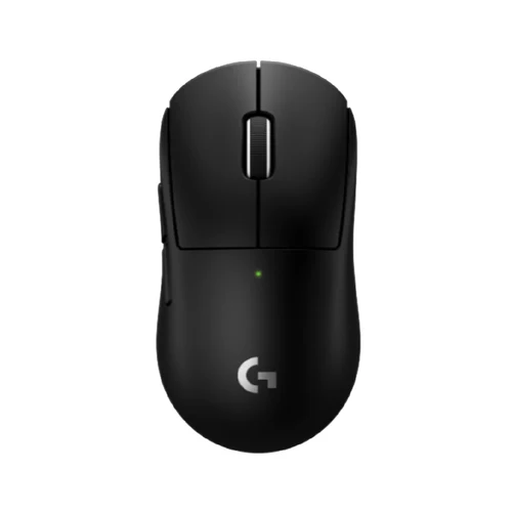
Why it stands out The Logitech G PRO X Superlight 2 builds on the reputation of its predecessor, a favourite in the professional gaming scene. According to Logitech, this model was co-developed with top esports athletes. It combines an ultralight weight of 53 grams with the advanced HERO 2 sensor, which offers a maximum resolution of 44,000 DPI and an 8000Hz polling rate. The LIGHTSPEED wireless technology is renowned for its reliability and low latency, ensuring a consistent and responsive gaming experience.
Pros
Who is it for? For competitive players who rely on a proven form factor and the latest sensor technology for consistent top-tier performance.
If one of these models isn't quite what you're looking for, or if you're specifically searching for a mouse that's perfect for both left- and right-handed players, there are more options available that might better suit your unique preferences.
Discover more options in our Ambidextrous gaming mouse category.
This is highly dependent on personal preference. Most professional FPS players use a setting between 400 and 1600 DPI. A mouse with a high maximum DPI (like 30,000 DPI or more) is an indicator of a high-quality sensor that can also track with extreme accuracy at lower, more practical DPI levels.
Yes. Modern wireless technologies using a 2.4GHz RF connection offer a polling rate of 1000Hz or even 8000Hz. This makes the latency comparable to, or sometimes even lower than, that of a wired mouse. The freedom of movement without a cable is a clear advantage in an FPS gaming mouse.
Weight is a very important factor. A lightweight gaming mouse (typically under 60 grams) reduces physical strain and enables faster, more precise wrist movements. This is especially crucial in fast-paced games where every fraction of a second counts.
