
Vandaag of morgen in huis

Kwaliteit gegarandeerd

Welkomstaanbiedingen ontgrendelen: GRATIS bezorging | Tot 80% korting | Gratis 30 dagen JoyPlus-proefperiode
Download de app
As a Joybuy Product Recommendation Officer, I see the vast number of choices available every day. Especially for competitive gamers, where every millisecond and every gram counts, the selection can be overwhelming. The wrong mouse can be the difference between victory and defeat. This article is designed to help. We'll cut through the marketing jargon and focus on the specs that truly matter, so you can make an informed decision for your next wireless gaming mouse.
Before we dive into the products, it's helpful to know which features are crucial for a pro gaming mouse.
For fast-paced games like FPS shooters, a lightweight gaming mouse is often an advantage. A lower weight means less effort to move the mouse, resulting in quicker reactions and less fatigue during long sessions. Also, pay attention to the shape: ergonomic mice are sculpted for right-handed comfort, while symmetrical mice are suitable for both left- and right-handed players and support various grip styles.
The sensor is the heart of your mouse. DPI (Dots Per Inch) indicates sensitivity. While a high DPI value sounds impressive, most pro gamers play at a lower setting for more control. More important is the sensor's tracking precision. The polling rate, measured in Hertz (Hz), indicates how often the mouse reports its position to the computer. A standard mouse has a 1000 Hz rate, but an esports mouse can go up to 8000 Hz for extremely smooth cursor movement.
The fear of lag in wireless mice is a thing of the past. Modern wireless technologies like Razer HyperSpeed and Logitech LIGHTSPEED offer a connection that is on par with a wired mouse in terms of speed and stability. This gives you the freedom of wireless without compromising on performance.
Below is a selection of models that are popular among serious gamers, based on their specifications and design.
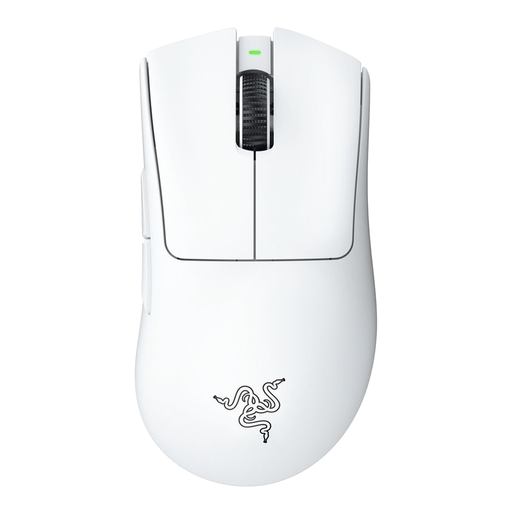
Why It Stands Out The Razer DeathAdder V3 Pro is a Razer gaming mouse that focuses on ergonomics and comfort without compromising on weight. Weighing just 63 grams and featuring a shape refined for prolonged use, this mouse offers an excellent balance between control and speed.
Key Features
Who Is It For? This mouse is ideal for right-handed gamers who prefer a comfortable, ergonomic grip over a symmetrical design. It is particularly well-suited for players who engage in long gaming sessions and need a reliable all-rounder for various game types, including FPS.
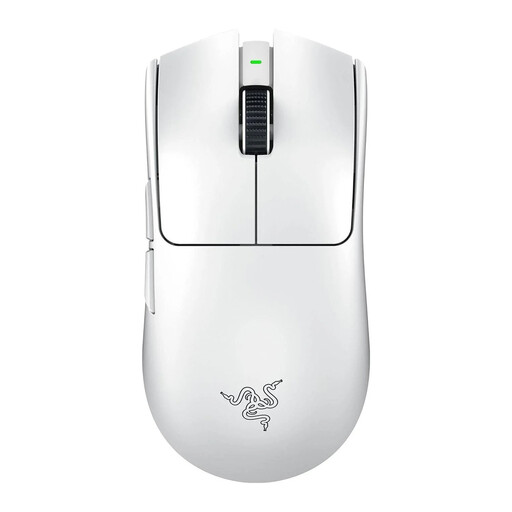
Why It Stands Out The Razer Viper V3 Pro is designed with one goal in mind: competitive performance. With an extremely low weight of 54 grams and a symmetrical design, this is a pure esports mouse. Its specifications are geared towards maximum responsiveness, including a polling rate that Razer claims can reach up to 8000 Hz.
Key Features
Who Is It For? This is an excellent choice for the serious FPS player and esports athlete seeking the fastest possible performance. Its symmetrical and ultralight design is perfect for gamers who make quick, sudden movements and want to leverage every possible technical advantage.
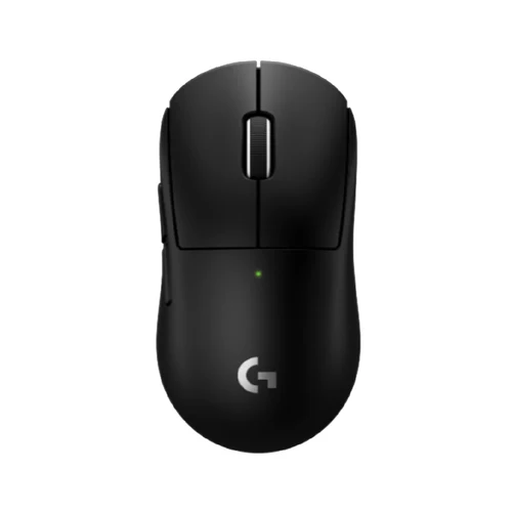
Why It Stands Out The Logitech G Pro mouse has been a staple in the esports world for years. The Superlight 2c continues this tradition with a weight of just 53 grams and the new HERO 2 sensor. The combination of Logitech's reliable LIGHTSPEED wireless technology and a high polling rate makes this a formidable competitor in the high-end segment.
Key Features
Who Is It For? The Logitech G PRO X Superlight 2c is aimed at competitive gamers who rely on Logitech's proven performance and reliability. It is a top contender for players looking for the best FPS mouse with a symmetrical, ultralight design and the very latest sensor technology.
Choosing a mouse is a highly personal decision and depends on your hand size, grip style, and the games you play. If the models above aren't exactly what you're looking for, many more options are available.
Yes. Modern wireless technologies from brands like Razer and Logitech have eliminated latency. The connection is just as fast and reliable as that of a wired mouse, making them fully suitable for competitive and professional gaming.
A high DPI value isn't necessarily better. Most professional FPS players use a relatively low DPI (between 400 and 1600) for more precise and controlled movements. It's more important to have a mouse with a good sensor that performs consistently at your preferred DPI setting.
For fast-paced games where reaction time is crucial, weight can make a big difference. A lightweight gaming mouse (usually under 70 grams) allows you to move the mouse faster and change direction more quickly. This can lead to less fatigue and a tangible in-game advantage.
