
Vandaag of morgen in huis

Kwaliteit gegarandeerd

Welkomstaanbiedingen ontgrendelen: GRATIS bezorging | Tot 80% korting | Gratis 30 dagen JoyPlus-proefperiode
Download de app
By the Joybuy Product Recommendation Officer, July 21, 2026
A lagging wireless connection, a battery dying during a crucial match, or a mouse that feels too heavy for quick reactions. For serious PC gamers, these are familiar frustrations. The market for a wireless gaming mouse is vast, and the specifications can be overwhelming. My job is to help you cut through the marketing jargon and focus on what truly matters for your performance.
In this article, we'll examine the specifications that make a difference and present several popular choices for competitive gamers. This will help you make an informed decision that suits your playstyle.
Before we look at the products, it's helpful to understand a few key specifications. This will help you determine which mouse is right for you.
The polling rate, measured in Hertz (Hz), indicates how often the mouse reports its position to the computer. A standard mouse often has a 125 Hz rate, but for gaming, 1000 Hz is the norm. An 8K polling rate mouse (8000 Hz) takes this a step further. This ensures extremely smooth cursor movement and a virtually instantaneous response time, which can be an advantage on high-refresh-rate monitors. DPI (Dots Per Inch) determines sensitivity. Advanced mice offer the ability to set the DPI for the X and Y axes independently, which is useful for precision on wide screens.
The trend in the esports world is clear: the lightweight gaming mouse is in high demand. A lower weight (often under 60 grams) leads to less wrist fatigue and enables faster, more precise movements. This is especially noticeable in fast-paced FPS games. Additionally, an ergonomic gaming mouse that fits your hand well is essential for comfort during long gaming sessions. Pay attention to the shape and whether it's suitable for your grip style (palm, claw, or fingertip).
The switches under the buttons determine the click feel and durability. Mechanical switches provide a distinct, audible click. An optical switch mouse uses infrared light to register a click. According to manufacturers, this prevents the risk of unintentional double-clicks and often offers a longer lifespan. For a rechargeable mouse, a long battery life is obviously crucial. Nothing is more frustrating than a dead battery in the middle of a game. Look for models that last for hundreds of hours on a single charge.
Based on the specifications that are important for competitive gamers, we have selected a few models for you to consider.
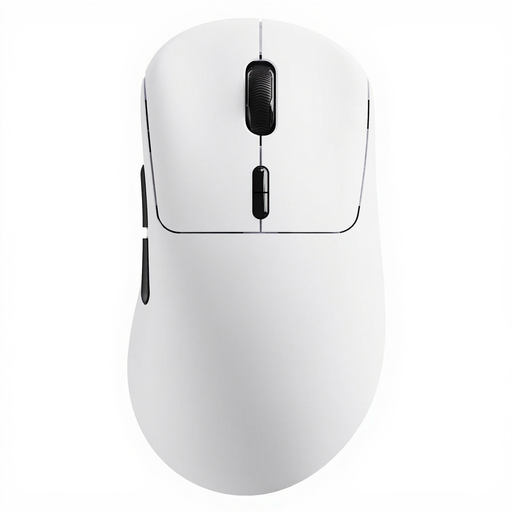
Why it stands out: This mouse combines an extremely low weight with impressive battery life and traditional mechanical switches.
Pros:
Who is it for? The RAPOO VT3 is an excellent choice for the esports mouse enthusiast who prefers the tactile feel of mechanical switches. Its low weight and high polling rate make it ideal for fast-paced FPS games, while the long battery life ensures uninterrupted gaming sessions.
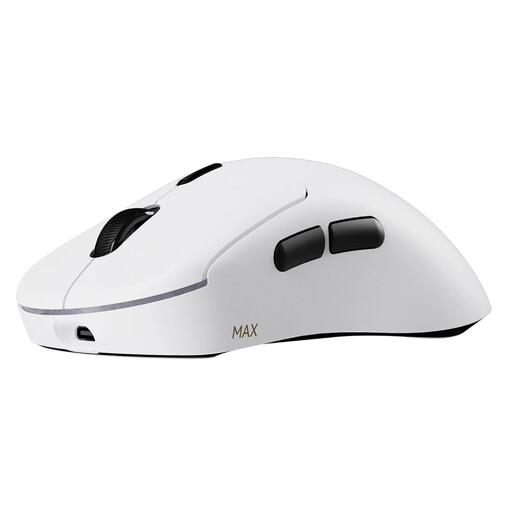
Why it stands out: The VT3 MAX shares many specifications with the standard VT3 but sets itself apart with its durable optical switches.
Pros:
Who is it for? The VT3 MAX is aimed at the competitive gamer seeking absolute reliability and speed. If you find traditional click feedback less important and want the benefits of an optical switch mouse (no double-clicks, longer lifespan), this model is worth considering.
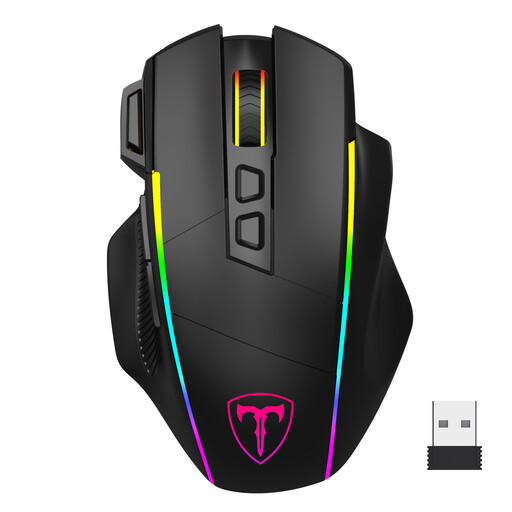
Why it stands out: This mouse offers versatility with three connection modes and an ergonomic design for larger hands.
Pros:
Who is it for? This mouse is a great all-rounder for gamers who value flexibility and comfort. If you're looking for an ergonomic gaming mouse for larger hands and want the ability to easily switch between your gaming PC and laptop via Bluetooth, this model offers a complete package.
The models above are focused on performance. If a silent click is more important to you than competitive specifications—for example, for streaming or late-night sessions without disturbing others—there are other options.
Check out our selection of silent rechargeable computer mice for models that focus on quiet operation.
1. Is a wireless gaming mouse really as good as a wired mouse for competitive gaming? Yes, the technology has improved significantly. Modern wireless mice using a 2.4 GHz connection have a latency that is indistinguishable from a wired mouse to humans. Models with a high polling rate are specifically designed for competitive gaming.
2. What is a polling rate and why is 8K important? The polling rate indicates how often the mouse reports its position to the computer. An 8K polling rate mouse does this 8,000 times per second. This results in smoother cursor movement and faster registration of your input. This advantage is most noticeable on high-refresh-rate monitors (240 Hz or higher) and in games where every millisecond counts.
3. How important is the weight of a gaming mouse? Weight is a matter of personal preference, but there is a clear trend towards the lightweight gaming mouse. A lighter mouse (under 70 grams) can reduce fatigue and allow for faster, larger arm movements. This is especially popular with FPS players who use a low DPI and make many 'flick shots'.
