
Vandaag of morgen in huis

Kwaliteit gegarandeerd

Welkomstaanbiedingen ontgrendelen: GRATIS bezorging | Tot 80% korting | Gratis 30 dagen JoyPlus-proefperiode
Download de app
Wireless earbuds are useful when you’re out and about, at work or exercising. Yet many models look alike, while differences in comfort, battery life and moisture protection can be significant. A low price also says little about the fit or call quality.
Pay particular attention to these three common pitfalls:
Lightweight true wireless earbuds are often comfortable for everyday use. Pay attention to the weight of each earbud, its shape and the sizes of silicone ear tips included. A good fit prevents you from constantly adjusting the earbuds while walking and helps keep music clear at a lower volume.
An open-ear design, as found on some sports earbuds, lets in more surrounding sound. This can be practical when walking or running in busy traffic. The trade-off is that bass response and sound isolation may differ from those of closed in-ear models.
Always check whether the battery life refers to:
A model with wireless earbuds with charging case is convenient when you’re out and about, but check the connection too. USB-C is now standard and means you do not need several different types of cable. Fast charging can be useful when you have little time before heading out.
The IP rating indicates which influences a product is protected against. For earbuds, you may see:
An IP rating does not automatically make earbuds suitable for swimming or prolonged exposure to water. Dry the earbuds after use and keep the charging contacts clean.
If you mainly make calls, it is worth checking the number of microphones and how the product handles background noise. A model with four microphones has more microphone hardware on paper, but the final call clarity also depends on software, wind and your surroundings.
For music, driver diameter, supported codecs and equaliser settings are useful specifications. A larger driver does not automatically guarantee a particular sound profile. Also check whether your smartphone supports the Bluetooth codec used.
Multipoint can be useful if you want to connect to a laptop and smartphone at the same time. Ambient Sound or transparency modes let surrounding noise through, while noise cancellation is designed to reduce distracting sounds. According to Soundcore’s own information, the A30i can provide up to 46 dB of noise cancellation, for example; treat this as the brand’s product specification rather than a guarantee for every situation.
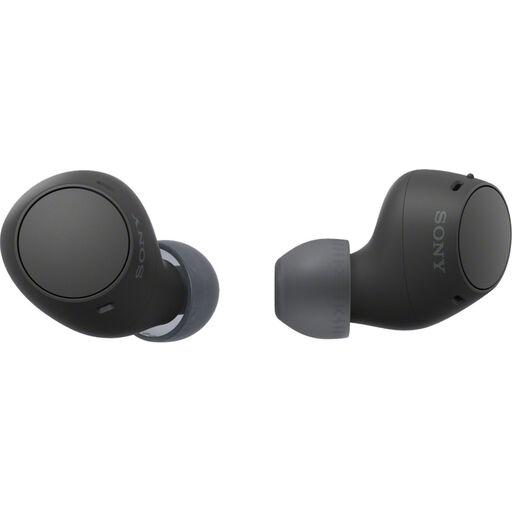
Why it suits this profile: This compact model is designed for everyday listening and offers a straightforward combination of Bluetooth 5.3, a microphone and total battery life of 22 hours with the case.
The product information states the battery life including the charging case and specifies IPX4 splash protection, so you can assess the main usage limits in advance.
22 hours with the case, multipoint for two devices, Ambient Sound mode and a weight of 4.6 grams per earbud.
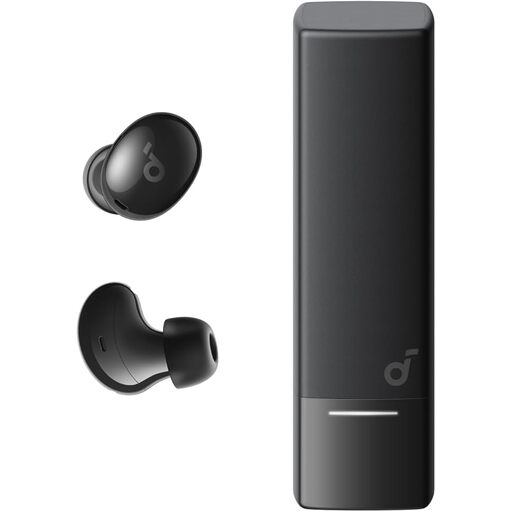
Why it suits this profile: The A30i combines active noise cancellation, multipoint and an app with equaliser settings for users who want more control over their listening experience.
The specifications distinguish between the stated noise cancellation and other features. The IP54 rating also sets a clear limit for dust and splashes.
Bluetooth 5.4, multipoint, four built-in microphones, up to 7 hours of playback per charge and up to 24 hours with the case.
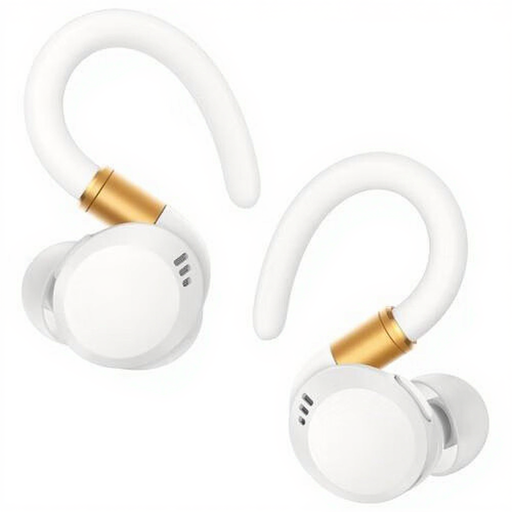
Why it suits this profile: The in-ear design without ear hooks, on-device controls and IP68 rating suit users who want to wear their earbuds during exercise and everyday activities.
The stated IP68 rating and mention of sweat and water resistance provide more guidance than a general claim such as ‘for sports’.
Up to 12 hours of playback, charging case, USB-C and AAC and SBC profiles for Bluetooth audio.
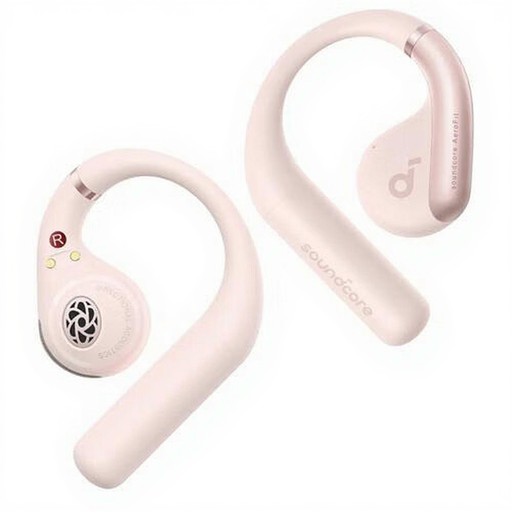
Why it suits this profile: The over-ear design with its ear-hanging shape leaves the ear canal more open and is intended for calls, music, work, exercise and everyday use.
The more open wearing style means you are not limited to a sealed in-ear fit. IPX7 is listed as the product classification; check the usage instructions regarding contact with water.
Bluetooth 5.3, four microphones, up to 11 hours of continuous playback, touch controls and a USB-C cable.
We have put together a complete, up-to-date list of products that fully meet these strict selection criteria and the applicable European safety regulations.
First, charge the earbuds and the case. Then open the Bluetooth settings on your Android phone or iPhone. Put the earbuds into pairing mode, select the product name and confirm the connection. Some models have an app for equaliser settings, firmware updates or touch controls.
Usage time per charge varies by model and feature. Battery capacity decreases over time as a result of charging cycles. Store the earbuds in the case, avoid extreme heat and keep the charging contacts clean. When buying, check both the earbuds’ playback time and the charging case’s total capacity.
That depends on the fit and IP rating. For exercise, preferably choose a model that stays securely in place and offers at least splash protection, such as IPX4 or IP54. A higher rating may be suitable for more intensive use, but no model should be used in a swimming pool or shower without checking the instructions. When cycling or in traffic, remain sufficiently aware of your surroundings and follow local safety rules.
