
Vandaag of morgen in huis

Kwaliteit gegarandeerd

Welkomstaanbiedingen ontgrendelen: GRATIS bezorging | Tot 80% korting | Gratis 30 dagen JoyPlus-proefperiode
Download de app
Wireless earbuds are handy for music, phone calls, commuting and exercise. However, a long list of features does not always tell you much about everyday use. For example, a model with a high claimed battery life may offer limited playback time per charge. Likewise, “water-resistant” does not automatically mean that the charging case is protected from water.
As a Joybuy Product Recommendation Officer, I therefore focus mainly on verifiable specifications: wearing style, Bluetooth version, battery life, microphones, IP rating and the type of use a model is designed for.
Brands often state the battery life including the charging case. That is useful, but it is not the same as listening continuously. Check both figures:
For example, a model offering 28 hours in total may provide around 6 to 7 hours per charge. That may be sufficient for commuting, but less convenient during long working days without an opportunity to recharge.
The IP code indicates what a product is protected against according to its stated classification. The letter X means that no protection level has been specified for that category. IPX5, for example, indicates protection against water jets under certain conditions; it is not a general guarantee of protection against immersion.
Also pay attention to the difference between the earbuds and the case. With the QCY Melobuds Neo, for example, IPX5 applies to the earbuds, while the case must be kept dry. Ordinary sports earbuds are therefore not automatically suitable for swimming or use in very wet conditions.
Noise-cancelling earbuds can reduce background noise, but their performance depends on the fit, the type of sound and the surroundings. Low, continuous sounds such as engine noise are different from voices or sudden traffic sounds. According to MINISO’s own product information, the MS106 offers adaptive noise cancellation of up to -50 dB; this is a brand claim and does not guarantee the same experience in every situation.
Likewise, “AI call noise cancellation” or multiple microphones does not mean that every call will sound clear in windy conditions. Check the number and positioning of the microphones and the intended user group, while keeping in mind that performance can vary between environments.
A classic wireless in-ear headset generally creates a better seal in the ear and can therefore deliver a more stable sound. The fit of the silicone ear tips is important here. Check whether different sizes are included, as with the Sony WF-C510.
An open-ear or clip-on model sits around the ear and leaves the ear canal open. This can be comfortable when walking or exercising, but it also means that surrounding sounds remain more audible. This design is therefore not automatically suitable for anyone seeking maximum noise isolation on the train.
Bluetooth 5.3 and 5.4 are modern versions that provide up-to-date connectivity in the models specified. However, the Bluetooth version alone does not determine overall sound quality. Also check the supported profiles and codecs, such as AAC, SBC or LDAC, as well as features such as multipoint.
Multipoint is useful if you want to connect a laptop and smartphone at the same time, for example. The Sony WF-C510 states that it can connect to two devices. Before buying, check that your phone, laptop and preferred app support these features.
For everyday use, both physical buttons and touch controls can work well. Touch controls can be comfortable, while buttons are less likely to be activated accidentally when adjusting a hat or sports glasses.
Pay attention to the following points:
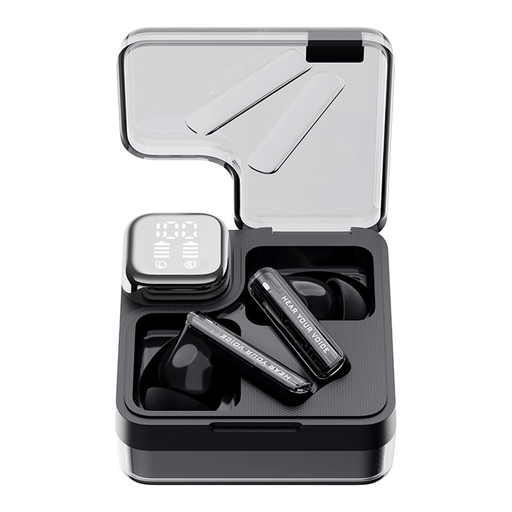
Why it suits this profile: This model combines Bluetooth 5.3, ANC and total playback time of around 28 hours. The app offers equaliser and control settings.
The product information states both 6–7 hours per charge and approximately 28 hours including the case. The case is not waterproof and must be kept dry.
Bluetooth 5.3, IPX5 protection against sweat and splashes, ANC plus ENC for calls, and a USB-C case.
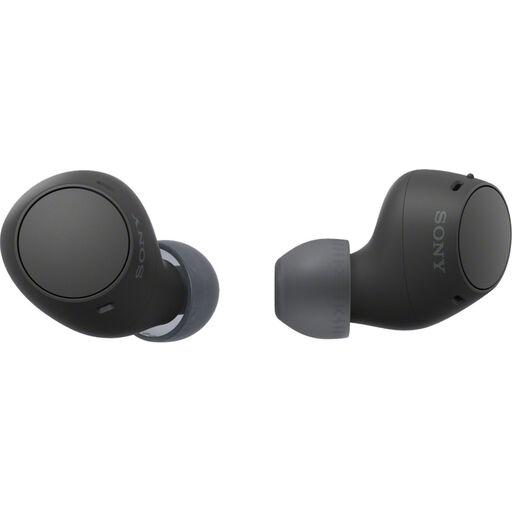
Why it suits this profile: The compact in-ear design, multipoint connectivity and app settings are well suited to users who combine music, work and phone calls.
The stated 22 hours includes the case. The IPX4 rating is intended for splashes; do not use the case in a wet environment.
Bluetooth 5.3, multipoint, Ambient Sound Mode, USB-C and a weight of approximately 4.6 grams per earbud.
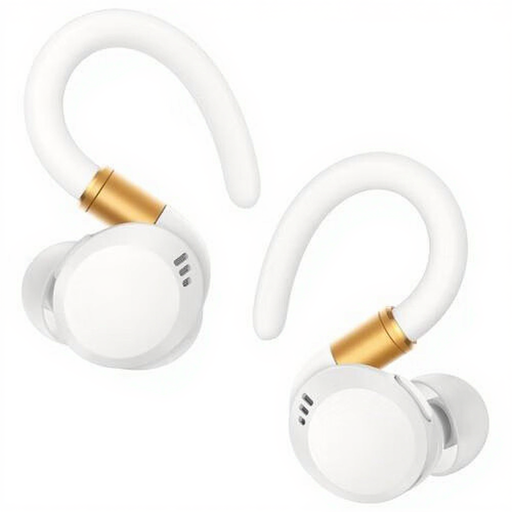
Why it suits this profile: The ear hooks and IP68 rating are designed for sports use and a secure fit during movement.
The specification states 12 hours of playback and a charging case. For intensive use in wet conditions, always check the manufacturer’s official usage guidelines.
IP68 according to the product information, 12 hours of continuous audio, physical controls and USB-C charging.
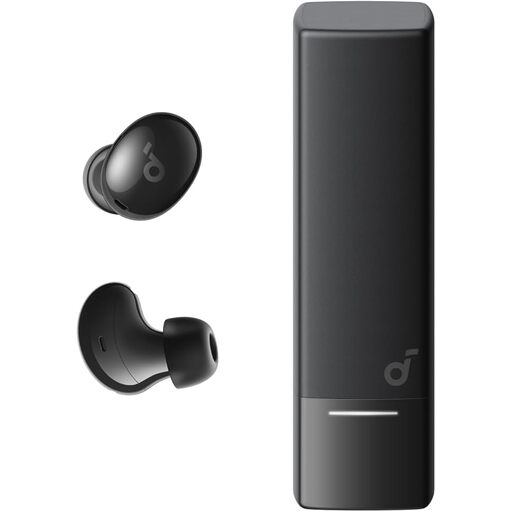
Why it suits this profile: The combination of ANC, multipoint and four microphones is well suited to travelling, working from home and making calls in busy surroundings.
According to Soundcore’s own product information, the A30i adjusts noise cancellation automatically. The stated playback time is 7 hours per charge and 24 hours with the case.
Bluetooth 5.4, multipoint, four microphones, USB-C and IP54 protection against dust and splashes.
We have put together a complete, up-to-date list of products that fully meet these strict selection criteria and the applicable European safety regulations.
First, charge the earbuds and open the case. Turn on Bluetooth on your smartphone and select the product name from the list of available devices. If pairing does not work, remove an old connection from the Bluetooth settings and try again. With some models, pairing mode starts automatically when you open the case.
Playback time per charge is often between approximately 6 and 12 hours, depending on the volume, ANC and codec. Total battery life with the case can be considerably higher. Physical lifespan depends on charging cycles, cleaning, heat and moisture. Keep the earbuds dry, clean the charging contacts carefully and do not leave the case in direct sunlight for extended periods.
That depends on the design. For calls, multiple microphones and a good fit are important. For exercise, ear hooks, clip-on designs or a secure in-ear fit can be useful. With water-resistant earbuds, always check the exact IP code and do not use the case in water unless this is explicitly stated. When cycling or in traffic, do not enable features that make important surrounding sounds inaudible, and follow local traffic regulations.
