
Vandaag of morgen in huis

Kwaliteit gegarandeerd

Welkomstaanbiedingen ontgrendelen: GRATIS bezorging | Tot 80% korting | Gratis 30 dagen JoyPlus-proefperiode
Download de app
Wireless earbuds are handy for commuting, online meetings, exercise and music. However, choosing the right model is not always straightforward. For example, a long battery life means little if the fit is uncomfortable. And a claim such as “noise cancellation” can refer to several different features.
As a Joybuy Product Recommendation Officer, I filter product information based on verifiable specifications. Below, you’ll find what to look for in wireless earbuds, which marketing claims require further explanation and which type suits your needs.
Manufacturers often state battery life at a particular volume, with features such as ANC switched off and without many phone calls. As a result, two models described as having “long battery life” may perform differently in everyday use.
Therefore, pay attention to the difference between:
A charging case is particularly practical if you don’t want to look for a power socket frequently while out and about. Also check whether the case charges via USB-C.
Several terms are used for Bluetooth earbuds:
Claims such as “up to -50 dB”, for example, come from the brand’s product information. According to Baseus’s product specifications, the Bass EP10 Pro features adaptive hybrid ANC; the actual experience depends on factors including the fit, the type of ambient noise and the device being used.
An IP rating indicates the conditions against which a product is protected according to the stated testing standard. IPX4 generally means protection against splashing water in practice, such as sweat or light rain. According to the product specifications, IPX5 offers greater protection against jets of water, but it does not mean you can submerge the earbuds.
Also pay attention to the difference between the earbuds and the charging case. With some models, the earbuds are splash-resistant while the case must be kept dry. Many standard sports earbuds are therefore not suitable for swimming or heavy rain.
In-ear earbuds generally create a better seal in the ear canal. This can be helpful when listening to music on the go and for passive noise isolation. Choosing the right size of ear tips is important: a poor fit can cause the earbuds to come loose or feel less comfortable.
Half-in-ear earbuds sit more at the entrance to the ear. Some users find them less enclosed, but they often provide less passive isolation.
With open-ear earbuds, the ear canal remains clear. This can be useful when walking, cycling in a safe location or exercising and you want to remain aware of surrounding sounds. Sound reproduction and bass may be experienced differently compared with in-ear models. Even with an open design, you still need to stay alert in traffic.
Bluetooth 5.2, 5.3 and 5.4 refer to the wireless connection technology. A newer version number does not automatically mean better sound quality. Also look at:
Compatibility depends on both the Bluetooth device and the earbuds. Check this before buying.
If you often attend meetings or make calls, you need to look beyond audio quality alone. Check the number of microphones and whether the product information mentions ENC or call noise reduction. This can help with voice processing, but it does not guarantee that every call will be trouble-free in a busy environment.
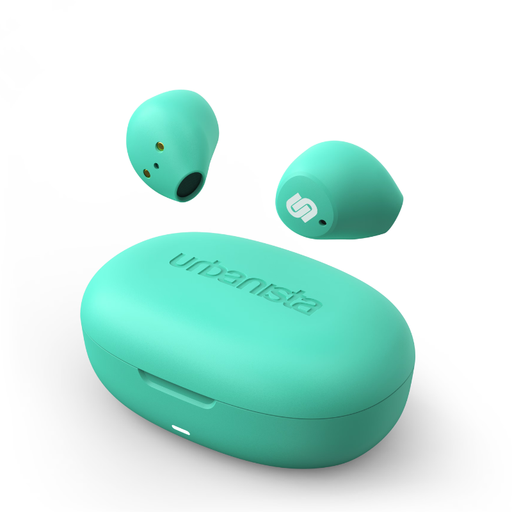
Why it suits this profile: These compact true wireless earbuds are designed for everyday use and, according to the product information, weigh 4 grams per earbud. They are operated using touch controls.
The stated 9 hours of listening time per charge and 27 hours with the charging case are clearly listed separately. The specifications mention passive noise cancellation, not ANC.
USB-C charging, AAC and SBC codecs, built-in microphone and a charging case included.
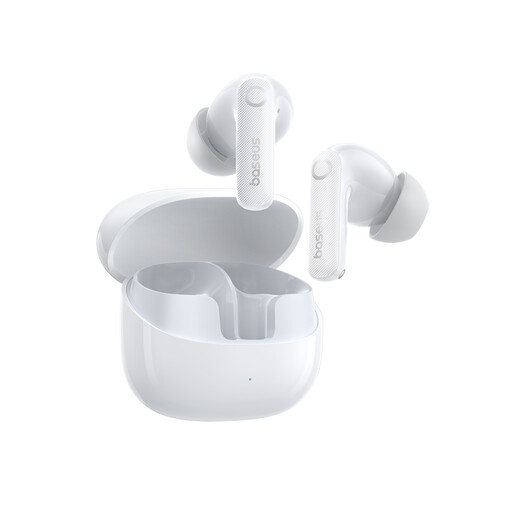
Why it suits this profile: This in-ear model is aimed at users who want to combine features for travel, music and calls. The product information lists ANC, LDAC and six microphones for calls.
The specifications list the SBC, AAC and LDAC audio codecs separately, along with 11 hours of battery life at 50% volume and IP55 splash resistance. According to the product information, the case is not designed for submersion.
Adaptive hybrid ANC, USB-C, Bluetooth 5.4 and a stated total battery life of up to 55 hours.
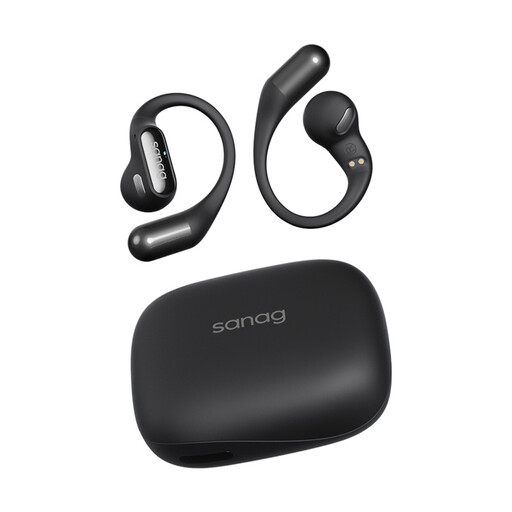
Why it suits this profile: The open-ear hook design keeps the ear canal clear and is aimed at running, cycling and fitness. According to the product specifications, the earbuds weigh approximately 5.6 grams each.
The stated IPX4 rating is not presented as full waterproofing. This model is designed for sweat and light rain, not submersion.
Bluetooth 5.3, touch controls, ENC for calls and a stated total battery life of approximately 26 to 48 hours, depending on the usage mode.
We’ve put together a complete, up-to-date list of products that fully meet these strict selection criteria and the applicable European safety regulations.
First, charge the earbuds and case. Then open your phone’s Bluetooth settings, remove the earbuds from the case or open the lid, and select the model name. If pairing doesn’t work, remove any previous Bluetooth connection and try again according to the instructions.
Battery life per charge varies by model and settings. Battery capacity decreases over time as a result of charging cycles. Don’t store the earbuds in heat for long periods and use a suitable USB-C charger. A model with a charging case can extend everyday usage time, but the case itself also needs to be charged regularly.
The electricity costs of Bluetooth earbuds are generally limited. The main recurring costs are more likely to come from wear and tear, loss or replacing a case or earbud. A good fit, careful storage and keeping the charging contacts dry can help you get practical use from the earbuds for longer.
