
Vandaag of morgen in huis

Kwaliteit gegarandeerd

Welkomstaanbiedingen ontgrendelen: GRATIS bezorging | Tot 80% korting | Gratis 30 dagen JoyPlus-proefperiode
Download de app
When you’re looking to buy wireless earbuds, you might start by comparing price, brand and claims such as “powerful noise cancellation”. But these things don’t tell the whole story. A low price can come with short battery life, while an expensive model isn’t necessarily comfortable. Whether you’re listening to music, making calls, travelling, working or exercising, the technical details and fit matter most.
In this buying guide, you’ll find out what to look for in wireless earbuds, Bluetooth earbuds and true wireless earbuds. Then we’ll take a look at some popular options for different needs.
The stated playback time usually applies under specific conditions, for example at 50% volume with active noise cancellation switched off. With ANC, phone calls and a higher volume, actual battery life may be shorter.
So, check the difference between:
A charging case with a large capacity is handy when you’re out and about, but it also makes the set heavier. Check what’s practical for your daily routine.
Active noise cancellation, also known as ANC, works by electronically reducing background noise. How well it works depends on the fit, the ear tips and the type of sound. Constant low-frequency sounds, such as the rumble of a train or plane, are different from sudden voices or traffic noise.
A brand’s product specifications might claim that a model offers a certain number of decibels of noise cancellation. This is a manufacturer’s claim, not a guarantee that every user will have the same experience. Also, don’t use ANC in situations where you need to hear traffic, cyclists or other warning signals.
An IP rating indicates the conditions a product has been tested against. IPX4, for example, means protection against splashes, while a higher rating may indicate additional protection against dust or water. This doesn’t automatically mean the earbuds are suitable for swimming.
For exercise, a secure fit, stability bands and cleaning the earbuds after use are also important. Check whether the charging case has the same protection rating. Water resistance often applies to the earbuds, but not the case.
Bluetooth 5.3 or 5.4 features in many recent models. A newer version can help improve power efficiency and connection stability, but your experience also depends on your phone, laptop or tablet.
If you listen to music, check which codecs are supported. SBC and AAC are widely compatible. According to the specifications, LDAC can support higher audio quality on compatible models, but both your audio source and earbuds need to support this codec. For everyday listening and calls, a stable connection is often more important than a long list of codecs.
In-ear earbuds partially seal the ear canal. This can help reduce background noise, but not everyone finds it comfortable. Check whether the earbuds come with several sizes of ear tips. According to the product information, the Apple AirPods Pro 3 come with five sizes of silicone ear tips. The Bose QuietComfort Ultra Earbuds (2nd Gen) come with three sizes of ear tips and stability bands.
Lightweight earbuds are comfortable to wear for long periods, but shape and pressure distribution are just as important. Wireless earbuds for calls should also stay in place when you walk or move your head.
For meetings, phone calls and customer conversations, the number of microphones and how background noise is handled are worth considering. Manufacturer terms such as “AI call reduction” are marketing claims, so keep your expectations realistic and look for specific features such as multiple microphones, multipoint pairing and touch controls.
Also check compatibility. Apple AirPods generally connect easily to Apple devices, while Samsung Galaxy Buds offer extra features within the Galaxy ecosystem. Many models can also be paired with other devices via Bluetooth, but not every feature will be available.
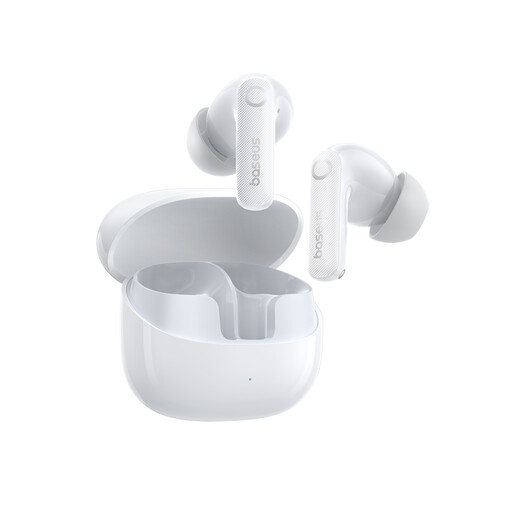
Why it suits this profile: This model combines ANC, Bluetooth 5.4 and a stated listening time of 11 hours per earbud at 50% volume. It’s a straightforward option for everyday use, travel and calls.
The specifications state both battery life and charging time. IP55 means protection against water jets; do not submerge the earbuds.
Bluetooth 5.4, SBC/AAC/LDAC, USB-C and six microphones, according to the product description.
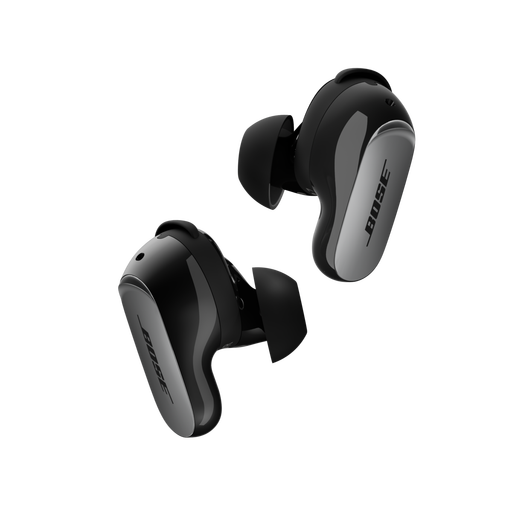
Why it suits this profile: A good choice if you travel or work frequently and value ANC, transparency mode and multipoint pairing between devices.
The product information lists an IPX4 rating, making it clear that splash resistance doesn’t mean the earbuds are waterproof.
Bluetooth 5.3, up to 6 hours of playback and charging via USB-C or wirelessly, according to the product specifications.

Why it suits this profile: A natural choice for Android and Galaxy users looking for music, calling, exercise and device-switching features within a single ecosystem.
The stated playback time is listed separately as 6 hours with ANC and 7 hours without ANC. The IP57 rating doesn’t mean you should take them swimming.
Two-way speakers, six microphones, Bluetooth 6.1 and wireless charging, according to the product details.
We’ve put together a complete, up-to-date list of products that meet these strict selection criteria and the applicable European safety requirements.
Battery life per charge varies by model and settings. Overall lifespan also depends on the built-in battery, how often you charge it, moisture and temperature. A charging case lets you top up on the go, but battery capacity generally decreases over time.
ANC can reduce background noise, which isn’t ideal when you need to hear traffic or warning signals. When cycling, only use a setting and volume that allow you to stay sufficiently aware of your surroundings, and follow local traffic rules.
Alongside the purchase price, the main things to consider are charging electricity and any accessories. The electricity used for charging is usually minimal. Replacement ear tips, a new charging case or a model that requires its own app may involve extra costs or limitations. So, check in advance which parts are included and how long the statutory warranty lasts.
