
Vandaag of morgen in huis

Kwaliteit gegarandeerd

Welkomstaanbiedingen ontgrendelen: GRATIS bezorging | Tot 80% korting | Gratis 30 dagen JoyPlus-proefperiode
Download de app
Wireless earbuds are ideal for music, podcasts, calls, travelling and exercise. However, it is not wise to focus solely on a big discount, a high decibel figure or long battery life. The fit, moisture protection and everyday performance often determine whether you will still enjoy using your earbuds after a few weeks.
In this guide from the Joybuy Product Recommendation Officer, you will learn which features can be checked, which marketing claims need to be treated with caution and which type of Bluetooth earbuds suits the way you use them.
With noise-cancelling earbuds, a single noise-reduction figure is often quoted, such as 46, 49 or 50 dB. This figure does not automatically indicate how quiet every environment will become. Low-frequency noise on a train may be processed differently from voices in an office. The seal created by the earbuds in your ears also plays a major role.
As well as ANC, look for:
A stated playback time may apply at a particular volume and with active noise cancellation switched off. ANC, phone calls and high volume levels can reduce battery life. Check whether the stated battery life refers to a single earbud, the charging case or the total.
Earbuds with long battery life are particularly practical when the case provides several additional charges. A fast-charging feature may also be more useful than a high total figure if you are often on the move.
An IPX4 rating means protection against splashes and sweat according to the product specification. It does not make a model suitable for swimming or showering. A higher rating, such as IP55 or IPX7, offers a different level of protection, but always check the manufacturer's usage restrictions.
Also pay attention to the difference between the earbuds and the charging case. The case may be less resistant to moisture than the earbuds themselves.
Wireless in-ear earbuds partially seal the ear canal. This can help reduce low-level ambient noise and usually delivers a direct listening experience. Choosing the right ear-tip size is important. A fit that is too loose reduces comfort and can affect sound reproduction.
Open-ear earbuds leave your ears open. This means you remain more aware of traffic, colleagues or people at home. On the other hand, ambient noise can overpower your music more easily. This type is well suited to walking, working and situations where awareness of your surroundings is important.
Clip-on earbuds rest on the outside of your ear. They can be a good alternative if you do not want a sealed in-ear fit. Check that the construction is secure enough for your activities and that the shape remains comfortable during use.
Bluetooth 5.3 or 5.4 is available on several models. The Bluetooth version alone does not fully determine connection quality; your phone, software and the codecs used also have an impact. Multipoint is useful if you want to connect to, for example, a laptop and smartphone at the same time.
Also check whether the model works with your operating system and whether features such as an app, equaliser or firmware updates are available.
For earbuds for phone calls, the number and positioning of the microphones are relevant specifications. Beamforming microphones attempt to distinguish your voice from surrounding noise. According to information provided by Soundcore, some models also use wind filters and AI algorithms. These are brand claims; actual voice clarity can vary depending on the location and the person you are speaking to.
An open-ear model can be comfortable for short conversations at home or outdoors, while a sealed in-ear model may block out more background noise in a busy environment.
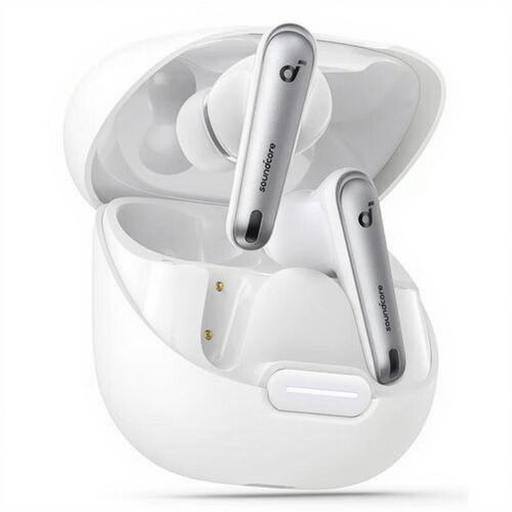
Why it suits this profile: This model combines an in-ear fit, Bluetooth 5.3, microphones, a charging case and, according to the product information, up to 10 hours of playback per charge.
The IPX4 specification makes it clear that these earbuds are splash-resistant, not designed for use underwater. The additional ear tips help you choose a suitable seal.
Active noise cancellation, six microphones according to the product specification, USB-C and support for LDAC, AAC and SBC.
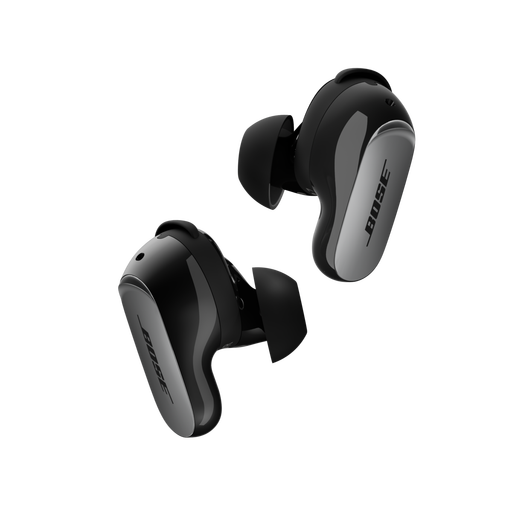
Why it suits this profile: The product specification lists Bluetooth 5.3, multipoint, CustomTune, ANC, Aware Mode and up to six hours of battery life per charge.
The included fit kit with three sizes of ear tips and stability bands reduces the risk of a poor seal. IPX4 is still intended for splashes and sweat.
USB-C and wireless charging for the case, active noise cancellation and an ambient mode for situations where you want to hear the sounds around you.
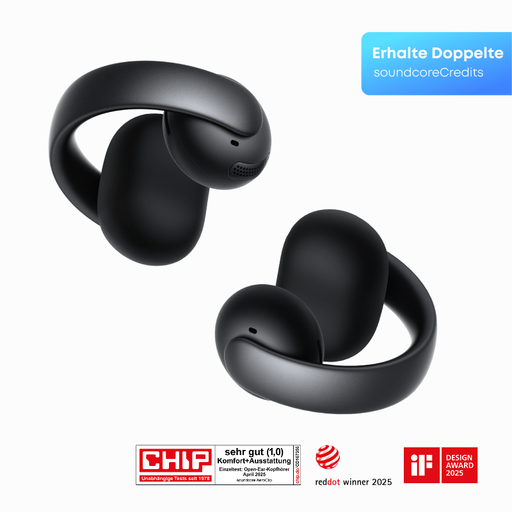
Why it suits this profile: The open-ear clip-on design is intended for walking, exercise, commuting and prolonged wear without sealing the ear canal.
The open design prevents you from buying an in-ear model when you actually want to remain aware of ambient sounds. However, check that the fit is suitable for your ears.
Four beamforming microphones, a 12 x 12 mm titanium-coated driver and an adaptive open-ring construction that, according to the product information, can withstand 20,000 bends.
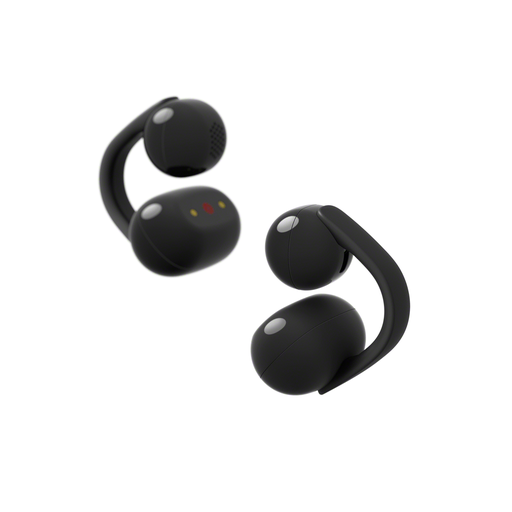
Why it suits this profile: The clip-on shape, open design and IPX4 rating are well suited to walking, light rain and workouts where you want to remain aware of your surroundings.
The product specification explicitly refers to splash resistance rather than use underwater. The included ear covers may provide extra stability for smaller ears.
Up to 9 hours of playback according to the product information, up to 37 hours with the case, three playback modes and a fast-charging function that, according to Sony, provides 1 hour of playback from 3 minutes of charging.
We have put together a complete, up-to-date list of products that fully meet these strict selection criteria and the applicable European safety regulations.
Charge the earbuds and case first. Then open your phone's Bluetooth settings, remove the earbuds from the case or open the lid and select the product name. If the device has been paired before, you may need to remove the old connection before pairing again.
Battery life per charge varies depending on the model and settings. ANC, volume and phone calls all affect battery life. The built-in battery also ages through charging cycles. A charging case, USB-C connection and fast charging make everyday use easier, but they cannot replace a worn-out battery.
That depends on the fit and IP rating. IPX4 models are generally designed for splashes and sweat, not immersion. Always check the product specification and keep the charging case dry. When cycling or in traffic, you must also remain sufficiently aware of surrounding sounds and follow the local traffic regulations.
