
Vandaag of morgen in huis

Kwaliteit gegarandeerd

Welkomstaanbiedingen ontgrendelen: GRATIS bezorging | Tot 80% korting | Gratis 30 dagen JoyPlus-proefperiode
Download de app
Wireless earbuds are ideal for listening to music on the train, enjoying podcasts while out walking and making phone calls on the go. Yet many people choose a model based on one striking promise, such as “noise-free calls” or an exceptionally long battery life. In practice, it’s the fit, connection and intended use that determine whether you’ll keep using your earbuds every day.
The following points will help you assess marketing claims more effectively and make the right choice.
The quoted playback time often applies under specific conditions, such as a particular volume level and with active noise cancelling switched off. So check whether the battery life refers to:
A model offering 22 hours of total playback including the case may be enough for commuting, while someone who works long days may prefer to focus on the capacity per charge.
Earbuds with noise cancelling electronically reduce ambient sound. The result depends on the fit, the settings used and the type of noise. Low, constant sounds such as the rumble of a train are generally a different challenge from voices or sudden noises.
Also look for a transparency mode. This lets ambient sound through without removing your earbuds. That’s useful in an office or while out walking, but don’t use wireless earbuds in situations where you need to hear traffic clearly.
An IPX4 or IPX5 rating does not mean you can submerge the earbuds. IPX4 is designed to protect against splashes and light rain; according to the product specification, IPX5 offers protection against water jets under certain conditions. Always check the manual and dry the charging contacts before charging.
With in-ear earbuds, the silicone tip creates the seal in your ear canal. The wrong size can result in a loose fit, less bass and mediocre sound isolation. Ideally, choose a model supplied with several ear tip sizes. For example, the Apple AirPods Pro 3 come with five sizes of silicone ear tips according to the product description.
Open-ear sports earbuds work differently. The sanag G6S uses a hook design that leaves the ear canal open. This can be comfortable during exercise, but the sound isolation differs from that of traditional true wireless earbuds.
Most Bluetooth earbuds work with Android, iOS, tablets and laptops. However, additional features may vary between platforms. Look out for:
If you don’t want to use Bluetooth, you can choose wired in-ear earbuds. Models with USB-C are suitable for devices without a 3.5mm socket, while a traditional 3.5mm plug works on compatible devices without pairing.
For earbuds used for calls and music, the number of microphones is not the only important factor. Their positioning, wind filtering and software settings all affect speech clarity. Brands may present their own results, but these will not automatically be the same in every environment. So look at the listed microphone features and user experiences, without treating a promise of “perfect” calls as an established fact.
USB-C is practical because many smartphones, tablets and laptops use the same cable. Wireless charging is particularly convenient if you already use a Qi charger. Clean your earbuds with a soft, dry cloth and keep liquids away from the charging contacts. With wireless models, the charging case is part of everyday use, so check its size and battery capacity too.
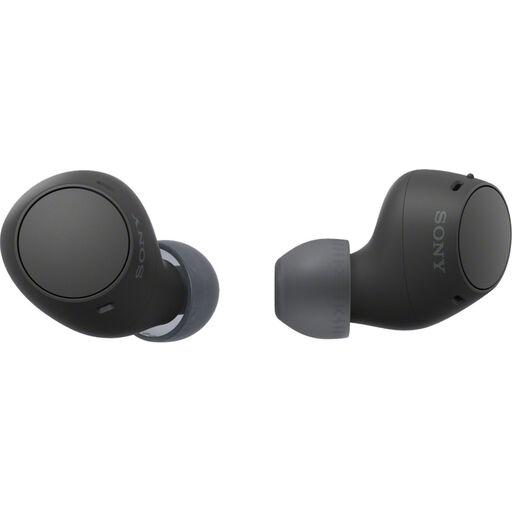
Why it suits this profile: This model is suitable for everyday use with music, podcasts and calls. The earbuds are compatible with Android and iOS and come with a USB-C charging case.
The specifications state 22 hours of total battery life including the charging case, making it clear what the claim refers to. IPX4 is designed for splashes, not submersion.
Bluetooth 5.3, multipoint, Ambient Sound Mode and a weight of 4.6 grams per earbud.
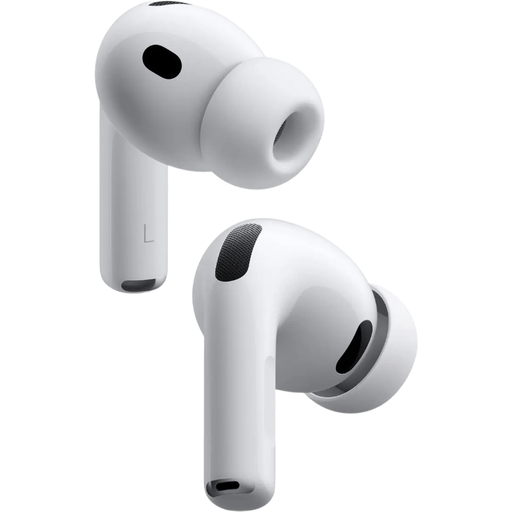
Why it suits this profile: Apple users looking for active noise cancelling, spatial audio and easy switching between Apple devices may wish to consider this model.
The product information lists five sizes of silicone ear tips and distinguishes between up to 8 hours with noise cancelling and up to 10 hours in transparency mode.
Active noise cancelling, Bluetooth 5.3, USB-C and wireless charging; the stated IP57 rating still requires use in accordance with the manual.
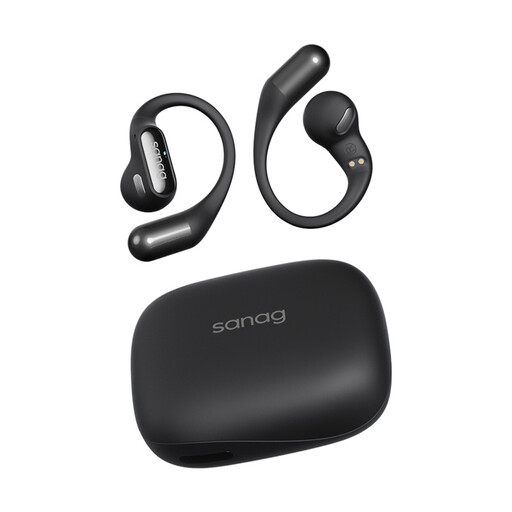
Why it suits this profile: The open-ear hook design is aimed at running, cycling, fitness and other activities where you want to remain partly aware of your surroundings.
The IPX4 rating makes it clear that this model is splash-resistant. It is not designed for submersion or heavy rain.
Bluetooth 5.3, touch controls, approximately 5.6 grams per earbud and a USB-C charging case.
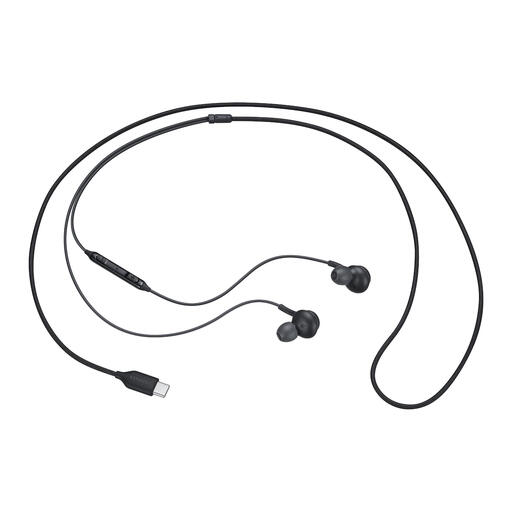
Why it suits this profile: If you don’t want Bluetooth pairing or a charging case, this wired alternative offers a direct USB-C connection for music and calls.
There is no battery life to misinterpret: the earbuds work via USB-C. However, check beforehand that your device supports audio over USB-C.
USB-C connection, built-in microphone, button controls and a stated frequency range of 20 to 20,000 Hz.
We’ve put together a complete, up-to-date list of products that fully meet these strict selection criteria and the applicable European safety regulations.
Choose true wireless earbuds if freedom of movement, a charging case and Bluetooth controls are important to you. A model with multipoint is useful when you switch between a laptop and smartphone. For sport, a secure fit, a suitable IP rating and an open-ear design may be important considerations.
Wired models are worth considering if you don’t want to recharge a battery or need a direct connection. For example, the JBL Tune 210 uses a 3.5mm connection and has a built-in microphone. With modern smartphones, check whether this connection is available.
Open the charging case or remove the earbuds, activate Bluetooth on your smartphone and select the product name from the list of available devices. Some models offer additional features through a brand app. If pairing doesn’t work, place the earbuds back in the case, charge them and follow the reset instructions in the manual.
Daily usage time depends on volume, ANC, phone calls and charging in the case. The battery loses capacity over time, as with other devices containing a built-in lithium battery. Store the earbuds in the case, avoid extreme heat and charge them using a suitable cable or charger.
That depends on the microphones, software and environment. Check whether the model lists a microphone and a noise-reduction feature for calls. According to brands’ own information, this may improve speech clarity, but wind, traffic and background noise can affect the result. So check the full specifications and choose a model that suits the environment in which you make calls.
