
Vandaag of morgen in huis

Kwaliteit gegarandeerd

Welkomstaanbiedingen ontgrendelen: GRATIS bezorging | Tot 80% korting | Gratis 30 dagen JoyPlus-proefperiode
Download de app
Wireless earbuds are practical for listening to music, making calls, travelling, working from home and exercising. Yet comparing Bluetooth earbuds can sometimes seem more complicated than it needs to be. Manufacturers use terms such as “AI”, “hi-fi”, “noise cancelling” and “long battery life”, while important details are not always immediately clear.
As a Joybuy Product Recommendation Officer, I filter the most important information based on verifiable product specifications. This helps you identify which features are relevant to your needs and what to look out for before making a purchase.
The stated playback time often applies to specific conditions, such as 50% volume with noise cancellation switched off. With ANC enabled, during phone calls or at a high volume, actual usage time may be shorter.
Pay attention to the difference between:
A model with long battery life is not automatically suitable if the earbuds already need to be recharged after a few hours during a working day.
The IP rating indicates the conditions against which a product is protected. IPX4, for example, is intended to protect against splashes and sweat, while IPX5 describes protection against water jets. This does not make a product suitable for submersion.
Always check:
For running or fitness, sports earbuds with a suitable IP rating can be a practical choice. Ordinary wireless earbuds are generally not designed for swimming.
A product description may mention four or six microphones and call noise reduction. According to the brand’s own research or product information, this may improve speech intelligibility, but the actual experience also depends on wind, traffic, the phone being used and the software.
So do not look only at the number of microphones. Also check whether the product is designed for calls, which Bluetooth version it uses and whether it includes a transparency mode.
Bluetooth 5.3, 5.4 or later can offer advantages in terms of power consumption, connectivity and latency. However, the version alone does not tell the whole story. Your phone, laptop or tablet must also support the relevant features.
For everyday use, the following features are also important:
For gaming, a dedicated low-latency mode can be useful. For music and calls, fit, microphones and connection stability are often more important than the Bluetooth number alone.
Active Noise Cancelling, or ANC, uses microphones and electronic processing to partially reduce surrounding noise. It works particularly well with consistent sounds, such as train engines or air conditioning. Voices and sudden noises are not always completely filtered out.
Pay attention to the difference between:
A good fit remains essential. Loose-fitting wireless in-ear headphones may be less effective and can fall out more easily.
In-ear models partially seal the ear canal and usually come with several sizes of ear tips. Half-in-ear models feel less enclosed for some users, but often provide less passive isolation.
For sports, ear hooks or clip-on designs can be practical. For everyday office and study use, low weight and straightforward touch controls may be more important. Also check whether the controls can be activated accidentally when you touch or adjust the earbuds.
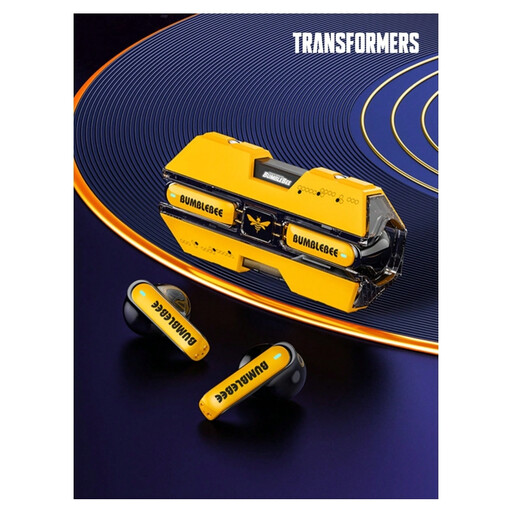
Why it suits this profile: A straightforward half-in-ear Bluetooth headset for everyday use, commuting and light workouts.
The product information mentions Bluetooth, integrated music and call controls, and a lightweight, portable design. Exact battery life is not specified, so check this before purchasing.
Half-in-ear design, wireless connectivity and controls for music and calls.
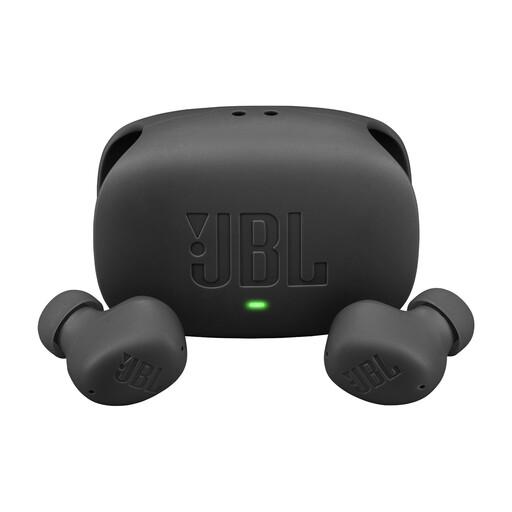
Why it suits this profile: Well suited to train journeys, office use and everyday listening thanks to ANC, Smart Ambient and multipoint.
The listing specifies playback time both with and without ANC. JBL’s stated total playback time of up to 40 hours applies with ANC switched off, so treat this as a usage-dependent indication.
IP54 protection for the earbuds, Bluetooth 5.2, multipoint and a USB-C charging case.
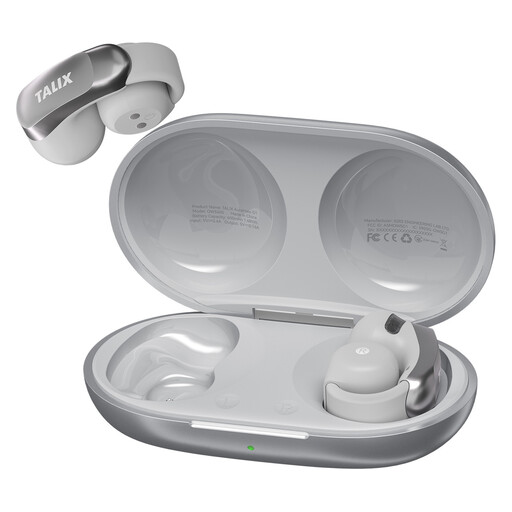
Why it suits this profile: A clip-on design with a silicone ear hook for fitness, commuting and online meetings.
The product information lists IPX4 and warns that submersion and heavy rain are not suitable. This clearly defines the limits of its water resistance.
Bluetooth 5.3, four microphones, up to 7 hours per charge and up to 28 hours with the case according to the product information.
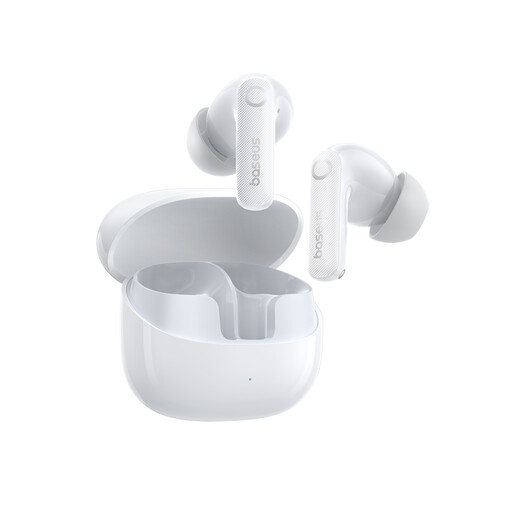
Why it suits this profile: An appealing option for users who want to combine ANC, multiple audio codecs and generous battery life.
The stated 11 hours of listening time applies at 50% volume according to the specifications. The product information also lists IP55 for splash resistance, not protection against submersion.
Bluetooth 5.4, SBC/AAC/LDAC, USB-C and stated battery life of up to 55 hours with the charging case.
Browse a current selection of Bluetooth in-ear earbuds and compare features such as ANC, battery life, microphone performance, fit and water resistance.
Charge the earbuds first and place them in pairing mode. Then open Bluetooth settings on your phone and select the model’s name. On some models, features such as the equaliser, firmware updates or translation are available only through a companion app.
Their lifespan depends on charging cycles, heat, moisture, volume and everyday use. The built-in lithium battery may gradually lose capacity over time. Store the earbuds in their case, charge them with suitable USB-C accessories and avoid heat or prolonged exposure to moisture.
They can be, but check whether the product specifies a built-in microphone and call functionality. For calls on a busy street or at a station, microphone placement, wind-noise reduction and the quality of the phone connection matter more than price alone. Also avoid listening at high volume for extended periods, and stay aware of your surroundings when cycling, crossing the road or driving.
