
Vandaag of morgen in huis

Kwaliteit gegarandeerd

Welkomstaanbiedingen ontgrendelen: GRATIS bezorging | Tot 80% korting | Gratis 30 dagen JoyPlus-proefperiode
Download de app
Wireless earbuds are handy for music, phone calls, commuting and exercise. However, it is easy to pay too much for features that do not suit the way you use them. For example, a long battery life does not always indicate how long the earbuds themselves will last. Terms such as noise cancelling, water resistance and AI microphone also do not automatically mean that a model will perform well in every situation.
This guide compares Bluetooth earbuds, true wireless earbuds and wireless earbuds based on verifiable specifications. You can then see which models suit different usage profiles.
Manufacturers often state the total playback time, including several recharges via the charging case. Therefore, check both figures:
A model offering 6 to 8 hours per charge may be sufficient for a working day or train journey. For long trips or intensive daily use, a larger case capacity may be more practical.
The IP code indicates what a product is protected against. IPX4, for example, is designed to protect against splashes, while IPX5 indicates protection against water jets. IPX7 goes further by covering temporary immersion, but the charging case does not always have the same rating.
Pay attention to the difference between:
Use sports earbuds according to their stated specifications. Also allow the charging contacts and case to dry thoroughly before charging again.
Earbuds with noise cancelling reduce ambient noise, but this does not mean that all voices or traffic sounds will disappear. When making calls, models often use a separate form of noise reduction for the microphone, such as ENC or beamforming.
According to the manufacturer's product description, some models feature multiple microphones and algorithms for voice capture. The actual experience also depends on wind, traffic, the fit and the phone being used. Compare the number of microphones and the stated call technology, but do not treat marketing claims as a guarantee.
The fit determines comfort, sound isolation and stability.
A good fit is more important than a long list of features. Earbuds that are too loose may fall out during movement, while models that fit too tightly may become uncomfortable.
Bluetooth 5.1, 5.3 and 5.4 refer to the connection standard being used. A newer version may offer benefits in terms of efficiency and stability, but your phone or laptop must support the connection as well.
Also check:
If you mainly make calls, look for earbuds with a microphone and a design featuring one or more microphones per earbud. ANC can be useful when commuting, while a transparency mode helps you hear ambient sounds.
Do not use closed or strongly isolating earbuds in situations where you need to be aware of traffic sounds. Manufacturers also generally warn against using them while driving or cycling.
The following selection is based on stated product specifications, such as fit, Bluetooth version, IP rating, battery life and microphone configuration.
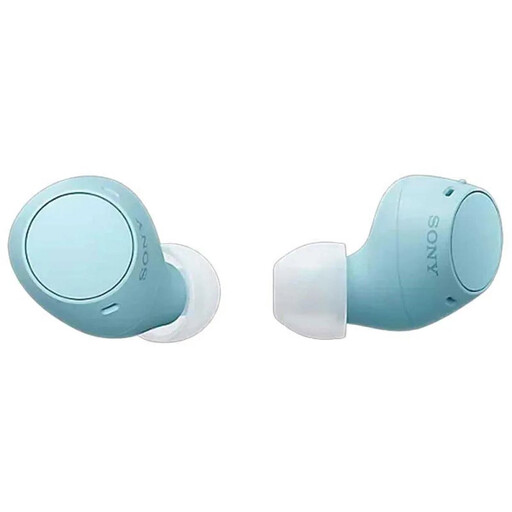
Why it suits this profile: This in-ear model combines a stated total battery life of 22 hours with Bluetooth 5.3, multipoint and IPX4. That makes it suitable for everyday listening, travel and working from home without complicated setup.
The product specifications state both the total usage time and IPX4, as well as three sizes of silicone ear tips. This means you can assess battery life and fit clearly.
22 hours of total battery life, Bluetooth 5.3, multipoint and Ambient Sound Mode.
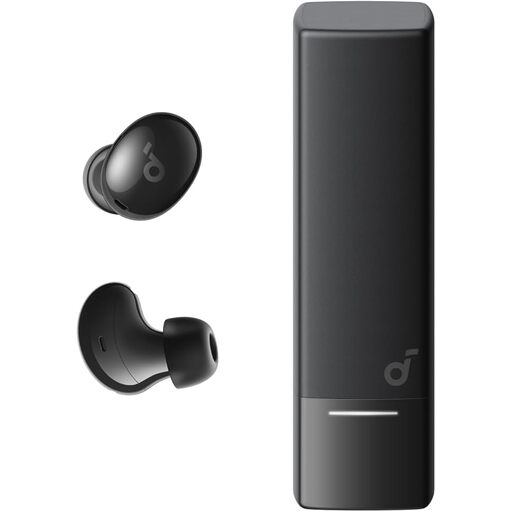
Why it suits this profile: The A30i is designed for users who want to combine in-ear comfort with ANC, app settings and multipoint for their phone and laptop.
The product information distinguishes 7 hours per charge from up to 24 hours with the case. It also lists IP54, Bluetooth 5.4 and four microphones.
ANC, multipoint, Bluetooth 5.4, four microphones and USB-C charging.
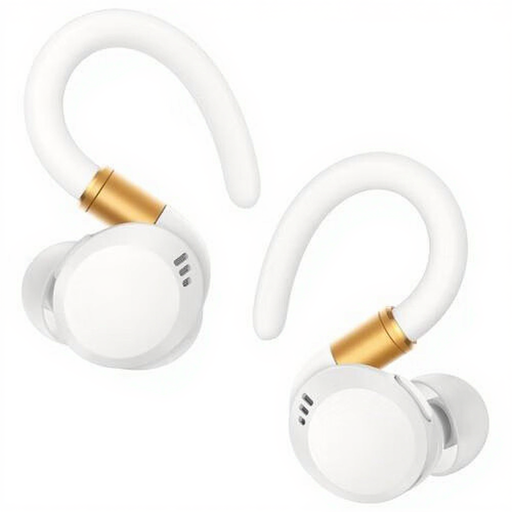
Why it suits this profile: The ear-hook design, IP68 rating and stated 12-hour playback time are well suited to sport and extended use.
The specifications explicitly mention water and sweat resistance, a charging case and physical control buttons. However, always check the exact usage limitations of the IP code.
Ear hooks, IP68, 12 hours of playback and controls for volume and music.
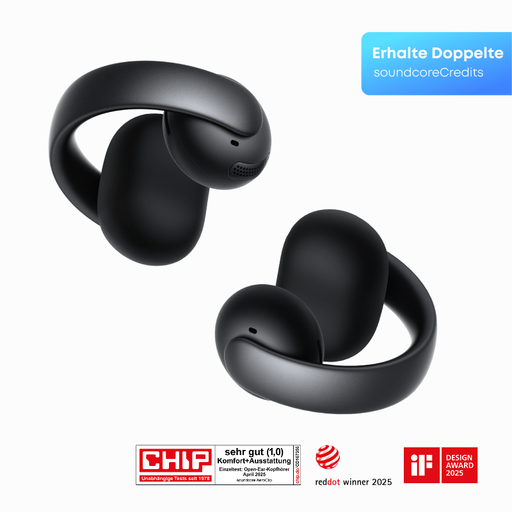
Why it suits this profile: The open-ear clip-on design is aimed at walking, working and outdoor activities where you do not want to be completely cut off from your surroundings.
The open-ear construction means you should not expect the seal of an in-ear design. The four stated beamforming microphones are relevant for calls, but wind and your surroundings will still have an impact.
Open-ear fit, 12 x 12 mm drivers, four microphones and a flexible ring design.
We have put together a complete, up-to-date list of products that fully meet these strict selection criteria and the applicable European safety regulations.
First charge the earbuds and put them into pairing mode. Then open the Bluetooth settings on your smartphone and select the product name. If the model has been paired before, the earbuds will usually reconnect automatically. If that does not work, remove the old pairing and go through the process again.
Usage time per charge varies by model, volume and features such as ANC. Battery capacity decreases over time, as it does with other devices containing an integrated lithium battery. Do not leave the earbuds in heat for extended periods, and use a dry, clean charging case to help prevent connection and charging problems.
ANC is primarily intended to reduce ambient noise for the listener. For calls, the number and positioning of microphones, as well as any ENC or beamforming technology, are relevant. Also check whether the model supports multipoint if you want to take calls on both your laptop and smartphone.
