
Vandaag of morgen in huis

Kwaliteit gegarandeerd

Welkomstaanbiedingen ontgrendelen: GRATIS bezorging | Tot 80% korting | Gratis 30 dagen JoyPlus-proefperiode
Download de app
Wireless earbuds may seem easy to compare at first glance. However, small differences in fit, battery life and water resistance can determine whether you enjoy using them every day. A low price does not automatically indicate how long they will last, while terms such as “noise cancellation” or “hi-fi sound” can sometimes tell you little about how the earbuds perform in the situations where you use them.
In this buying guide from the Joybuy Product Recommendation Officer, we look at what to consider when choosing wireless earbuds, Bluetooth earbuds and wired alternatives. The focus is on verifiable specifications and practical situations in the Netherlands: cycling, travelling, working from home, exercising and making calls.
A stated battery life often applies under specific conditions. For example, the Baseus Bass EP10 Pro model lists 11 hours of listening time at 50% volume per charge and up to 55 hours with the charging case, according to the product description. When using active noise cancellation, a higher volume or making lots of phone calls, the actual usage time may vary.
So pay attention to:
ANC, or active noise cancellation, uses microphones and electronics to reduce ambient sound. It does not guarantee that every sound will disappear. Low, constant sounds such as train or aeroplane noise may be experienced differently from voices or sudden sounds.
According to the product description, the Baseus Bass EP10 Pro features adaptive hybrid ANC of up to 50 dB. This is a manufacturer’s product specification, not a universal measure of sound reduction in every situation. A transparency or ambient mode can be particularly useful when you still need to hear traffic, announcements or colleagues.
In-ear earbuds partially seal the ear and only stay securely in place when their shape and size are right for you. A poor fit can result in less bass, an unstable fit in the ear or discomfort during long listening sessions.
So check whether several sizes of ear tips are included. For sports, an ear hook or clip can help. An IP rating indicates protection against water and dust, but says nothing about comfort or sound quality.
Bluetooth 5.3 or 5.4 can contribute to an efficient and stable connection, but your experience also depends on your smartphone, laptop and surroundings. For everyday use, reliable pairing and a dependable connection are more important than simply having the highest version number.
Some true wireless earbuds support additional audio codecs. According to the product specifications, the Baseus Bass EP10 Pro supports SBC, AAC and LDAC. Your playback device must also support the codec for you to use it.
If you are looking for earbuds for calls and music, do not just look at the number of microphones. Wind, traffic, the distance from your phone and software can also affect call quality. According to the product information, the Soundcore Liberty 4 Pro has six built-in microphones. The TALIX G1 uses a four-microphone array with a noise-cancellation algorithm described by the manufacturer.
Keep your expectations realistic: “4-mic clear calls” is a brand or product claim. It does not mean that every caller will hear your voice perfectly in every busy environment.
The IP code helps you assess protection more accurately:
None of these ratings means that you can submerge the earbuds. Dry the charging contacts and USB-C port before charging. For intensive workouts, sports earbuds with a secure fit and an appropriate IP rating are more practical than models intended solely for use at home.
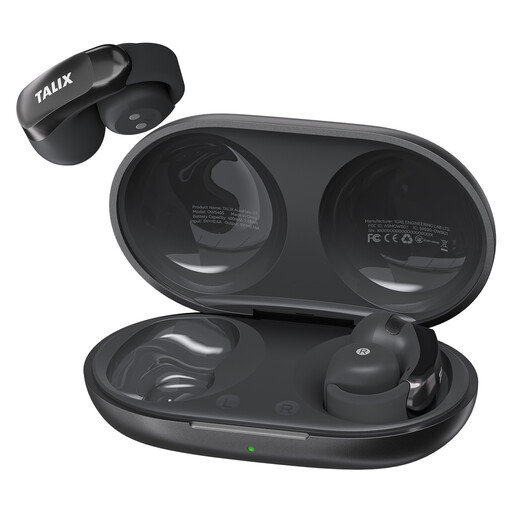
Why it suits this profile: The clip-on design and weight of 5.2 grams per earbud make this model suitable for everyday use, commuting and light workouts.
The ear hook reduces the risk of the earbuds coming loose while you move. IPX4 is intended for sweat and light rain, not submersion.
Up to 7 hours per charge, 28 hours with the case, Bluetooth 5.3 and four microphones according to the product description.
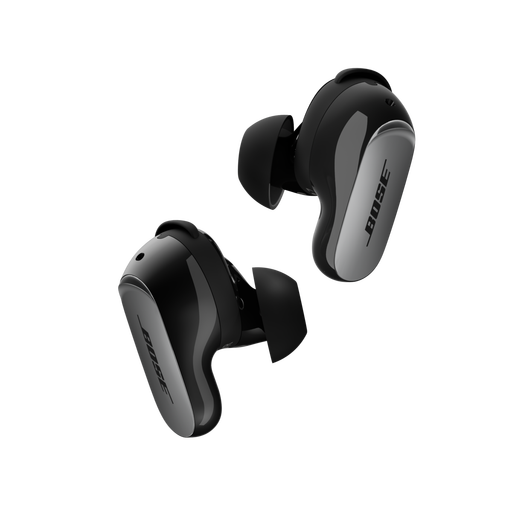
Why it suits this profile: This model is designed for travelling, working and everyday listening, with active noise cancellation and a mode that lets ambient sound through.
Aware mode means ANC is not the only listening mode. The manufacturer states up to 6 hours of listening per charge, so plan to recharge during long days of travel.
Bluetooth 5.3, multipoint pairing, USB-C and wireless charging for the case; IPX4 according to the product specifications.
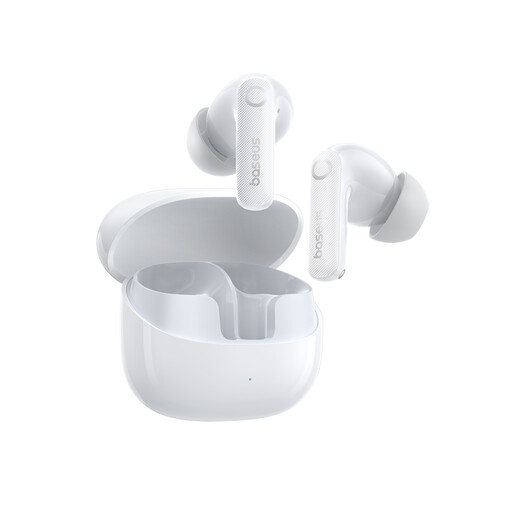
Why it suits this profile: Suitable for people who travel frequently and value long battery life, ANC and clear calls.
The stated battery life specifies the test condition of 50% volume. IP55 means protection against splashes and water jets, but the earbuds are not suitable for swimming.
Up to 11 hours of listening per charge at 50% volume, USB-C, Bluetooth 5.4, SBC/AAC/LDAC and six microphones according to the product information.
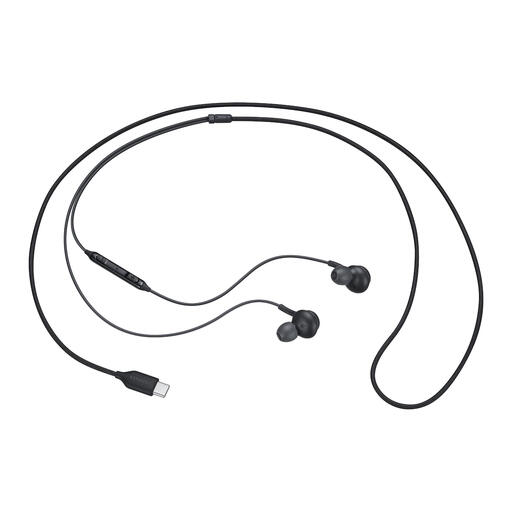
Why it suits this profile: A wired USB-C connection is practical for laptops, tablets and smartphones without a 3.5mm socket, provided the device supports audio via USB-C.
No battery means no need to plan charging and no battery ageing. Check beforehand whether your USB-C port supports audio; not every port does.
USB-C, built-in DAC, microphone, buttons and several sizes of ear tips according to the product description.
We have put together a complete, up-to-date list of products that fully meet these strict selection criteria and the applicable European safety regulations.
Wireless earbuds are convenient when you do not want a cable while travelling, exercising or working from home. However, remember to recharge the charging case regularly. Earbuds with long battery life can be useful for long working days, but always check whether the stated time applies with or without ANC.
USB-C earbuds are a practical choice for devices without a 3.5mm port. They do not require Bluetooth pairing and are ready to use straight away. Wired models such as the Sony IER-EX15C and JBL Tune 210 also include a built-in microphone for calls. With 3.5mm models, check that your phone still has a suitable socket.
When cycling or travelling in traffic, it is sensible to remain fully aware of your surroundings. Do not use ANC in situations where ambient sound is important for your safety. Listen at a moderate volume and take breaks during prolonged use.
Charge the earbuds first, open the case and activate Bluetooth on your phone. Select the model name from the Bluetooth list. If pairing does not work, remove an earlier connection from the list and follow the manufacturer’s instructions. Some models offer an app, firmware updates or additional account features, but these are not always required for basic use.
The usage time per charge varies by model and setting. Battery capacity decreases over time because of charging cycles and usage conditions. Store the earbuds in their case, avoid extreme heat and use a suitable USB-C charger. No model with replaceable batteries appears in this product selection, so bear in mind that the battery is part of the earbuds’ overall lifespan.
That depends on your surroundings. If you travel frequently, work in a shared space or constantly hear background noise, ANC can be useful. For quiet listening at home or occasional calls, a simpler model may be enough. As well as ANC, compare the fit, microphone, battery life, warranty and water resistance. That way, you pay for features that suit the way you actually use your earbuds.
