
Vandaag of morgen in huis

Kwaliteit gegarandeerd

Welkomstaanbiedingen ontgrendelen: GRATIS bezorging | Tot 80% korting | Gratis 30 dagen JoyPlus-proefperiode
Download de app
Wireless earbuds are handy for listening to music, making calls, travelling, exercising and working from home. However, an attractive deal can disappoint once you start using them every day. The fit may prove uncomfortable, the battery may run out sooner than expected or the microphone may perform poorly on a busy street.
When comparing Bluetooth earbuds, it therefore pays to look beyond the price or claims such as “powerful bass”. Above all, check the technical specifications, compatibility with your phone and how well the product is protected against moisture and everyday use.
Manufacturers often state the total playback time including the charging case. This figure does not tell you how many hours the earbuds themselves will last. For example, a model may promise 30 to 55 hours in total, while a single full charge of the earbuds provides only a few hours of playback.
So pay attention to both figures:
With wireless earbuds featuring noise cancellation, microphones measure surrounding sounds and the electronics then produce an opposing sound. This can be particularly useful with constant noise, such as the rumble of a train or aeroplane. Voices, sudden sounds and traffic are not automatically filtered out completely.
You should treat claims about ANC strength as manufacturer claims. According to product information from brands including MINISO and Baseus, their technology can reduce surrounding noise by a certain level. This does not guarantee the same experience for every ear. The fit, ear tips and surroundings all have a significant impact.
A transparency mode is also useful when you want to have a conversation without taking your Bluetooth earbuds out. When cycling, driving or in situations where you need to hear traffic, staying alert remains essential.
Even a model with spatial audio or an advanced driver will not sound pleasant if the earbuds do not stay securely in place. In-ear earbuds generally provide a better seal than half-in-ear models, but not every user finds the pressure in the ear canal comfortable.
So check:
Bluetooth 5.3, 5.4 or 6.0 indicates the generation, but the final connection also depends on your smartphone and software. Check whether app functions are available on iOS and Android. Some features, such as advanced equaliser settings or device switching, work mainly within a particular brand’s ecosystem.
Apple users generally benefit from easy pairing between AirPods, iPhone, iPad and other Apple devices. Samsung users can access additional features with Galaxy Buds through the Galaxy Wearable app. Many models can also be paired with other smartphones using a standard Bluetooth connection, but always check the product page.
For wireless earbuds used for calls and music, the microphones are at least as important as the speakers. Look at the number of microphones and terms such as ENC or noise reduction for calls. More microphones can help distinguish voices from surrounding noise, but they are not a guaranteed measure of quality.
For working from home, online meetings and phone calls, these features are useful:
An IP rating consists of figures indicating protection against dust and water. IPX4, for example, means protection against splashes, while IPX5 covers water jets under certain conditions. According to the stated product specification, IP57 provides protection against dust and temporary immersion, but that does not automatically make a charging case waterproof.
Sports earbuds with IPX4 or IPX5 may be suitable for sweat and light rain. Do not use them while swimming, and only charge a damp case once the connections are dry. Check the rating for both the earbuds and the case.
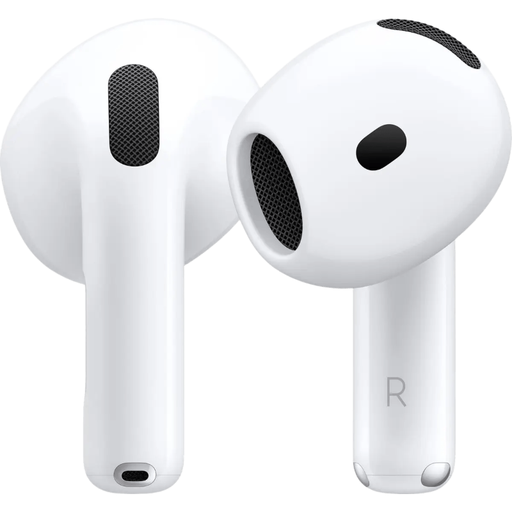
Why it suits this profile: A straightforward choice for everyday listening, calls and use with an iPhone. The case charges via USB-C and the stated total battery life is more than 30 hours.
The product information clearly states that this model does not have active noise cancellation. This means you are not paying for ANC features you may not need.
Bluetooth 5.3, USB-C case, microphone, IP54 splash-resistance rating and spatial audio according to the product description.

Why it suits this profile: Designed for Galaxy users who value extensive audio settings, ANC and robust water and dust protection.
The listing gives separate battery figures with ANC switched on and off. This allows you to compare the playback time more realistically with your own usage.
Two-way speaker system, six microphones, Bluetooth 6.1, USB-C, wireless charging and IP57 according to the product specifications.
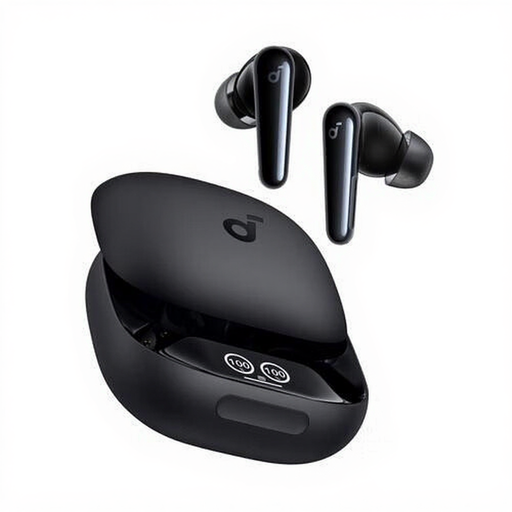
Why it suits this profile: A practical option for users who combine calls, music and exercise. The in-ear design and additional ear tips help you fine-tune the fit.
The specifications list six microphones, an IPX5 rating and up to 10 hours of playback. This makes the key usage limitations clear in advance.
True Wireless Stereo, USB-C case, touch controls, dynamic drivers and splash protection according to the product listing.
Start by identifying your main use case. For commuting, ANC and a transparency mode are useful. For the office and calls, microphones, a stable Bluetooth connection and wearing comfort are more important. For exercise, fit and IP protection matter more than spatial audio.
Also check whether the earbuds use USB-C, whether wireless charging is supported and whether the charging case is compact enough for your bag or coat pocket. A higher IP rating does not mean you can use the product underwater. Keep the case dry and clean the ear tips with a soft, dry cloth.
We have put together a complete, up-to-date list of products that fully meet these strict selection criteria and the applicable European safety regulations.
Open the charging case, activate Bluetooth on your smartphone and select the earbuds’ name from the list of available devices. With some brands, a pairing screen appears as soon as you open the case. If that does not work, press and hold the pairing button or touch surface as instructed in the manual.
This depends on battery capacity, volume, ANC usage and charging cycles. The stated playback time is a guideline. Over time, the capacity of built-in lithium-ion batteries decreases. A model with a case and USB-C charging remains practical because you can recharge it several times while travelling.
Yes, provided they have a built-in microphone. Call quality also depends on the number of microphones, wind and surrounding noise. So do not just look for the term “earbuds with microphone”; check the specific microphone specifications and experiences with your phone model as well.
