
Vandaag of morgen in huis

Kwaliteit gegarandeerd

Welkomstaanbiedingen ontgrendelen: GRATIS bezorging | Tot 80% korting | Gratis 30 dagen JoyPlus-proefperiode
Download de app
Wireless earbuds are convenient when you’re out and about, working from home or making hands-free calls. However, a long list of features does not always indicate how well a model suits your everyday use. The wrong choice can leave you with earbuds that fall out while running, offer insufficient battery life or block out too much ambient sound.
Pay particular attention to the design, battery life, Bluetooth connection and protection rating. Below, we explain which specifications matter and which models suit different user profiles.
Noise-cancelling earbuds use microphones and electronics to reduce certain ambient sounds. Their effectiveness varies between models and environments. According to Google’s own information, the Pixel Buds Pro feature active noise cancellation, a transparency mode and what is known as Silent Seal. This can be useful on the train or in the office, but it does not mean that every sound disappears.
For cycling, running or walking alongside a road, an ambient or transparency mode may be more practical. With open-ear earbuds, your ears remain largely unobstructed, allowing you to continue hearing sounds around you. Always check the traffic situation and local regulations.
A product marked IPX4 is not automatically suitable for swimming. This classification generally indicates protection against splashing water, not immersion. According to the product specification, the Google Pixel Buds Pro are rated IPX4. That makes them suitable for everyday use and light exposure to splashing water, but not for swimming.
For intensive training, models with IPX5, IPX7 or IP68 may be more suitable, depending on the manufacturer’s exact instructions. Always check whether the protection applies to sweat, rain, fresh water or immersion as well. A charging case may also be less water-resistant than the earbuds themselves.
The stated battery life often depends on the volume, codec used, noise cancellation and how often the earbuds are recharged via the case. It is therefore worth looking at two figures:
A model with long battery life is not automatically more comfortable. The fit, weight and ability to use different ear tips or hooks also determine whether you can wear them comfortably for extended periods.
In-ear earbuds partially seal the ear canal. They often provide direct sound reproduction and can be suitable for active noise cancellation. Included ear tips in several sizes help you adjust the fit.
Open-ear earbuds rest on or around the ear and leave the ear canal open. This design suits users who want to stay aware of their surroundings while walking, working or exercising. The listening experience may differ in a busy environment compared with closed in-ear models.
A bone conduction headset transmits sound through vibrations in the bone next to the ear. With this type, pay particular attention to the fit, call clarity and water resistance. According to the product specification, the Mojawa RunPlus is listed as offering, among other features, 32 GB of storage, Bluetooth and IP68 water resistance. The manufacturer states that this model is also intended for swimming; follow the usage and charging instructions.
Bluetooth 5.3 and Bluetooth 5.4 are recent versions found in various models in the range. A higher version number alone does not guarantee better sound or a greater range. Also check:
For earbuds intended for calls, the number and positioning of the microphones are also relevant. According to the product information, the Soundcore AeroFit 2 has two microphones. The Soundcore Aeroclip lists four microphones and is aimed at calls, music and sport.
For running, a secure fit and protection against sweat are usually more important than an extremely high IP rating. An ear hook, clip or open-ear construction can help keep the model in place.
Swimming requires additional checks. Look at the exact IP code, whether Bluetooth can work underwater and whether the model has built-in storage. Bluetooth signals are limited in water. A model with an MP3 player and internal storage may therefore be more practical than a standard Bluetooth model.
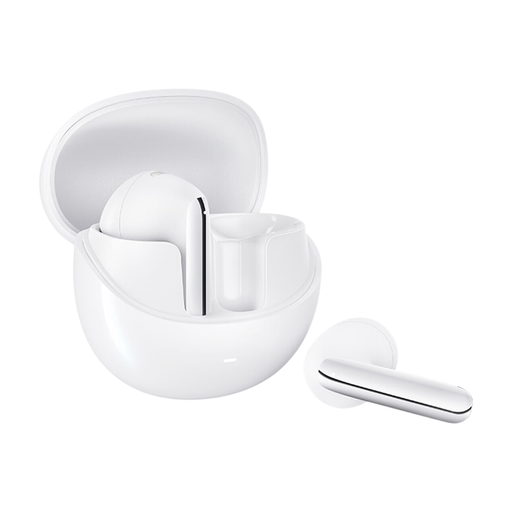
Why it suits this profile: A straightforward choice for everyday listening and calls, without immediately needing a sports or premium design. Before buying, check the current product specifications and included accessories.
By first checking which features are actually included in the listing, you can avoid letting marketing terms such as noise cancellation or long battery life influence your choice without supporting evidence.
Compact True Wireless Stereo design and a suitable entry-level option for Bluetooth audio.
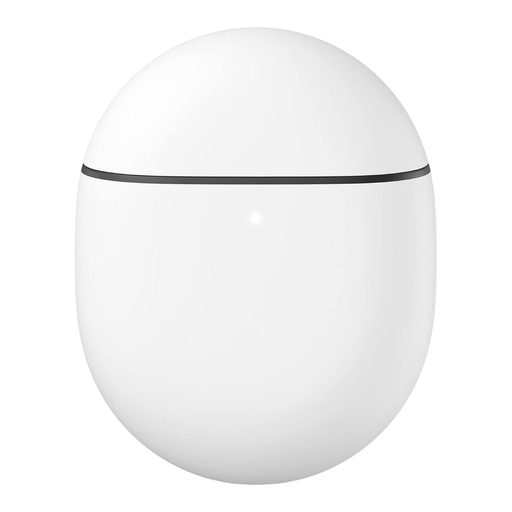
Why it suits this profile: According to the product specification, this in-ear model offers active noise cancellation, transparency mode, multipoint and wireless charging. That makes it suitable for commuting, the office and everyday use.
The three sizes of ear tips can help you choose a suitable seal. Transparency mode provides an alternative to using active noise cancellation continuously.
11mm speaker, five-band equaliser, multipoint, wireless charging and IPX4 splash protection according to the product specification.
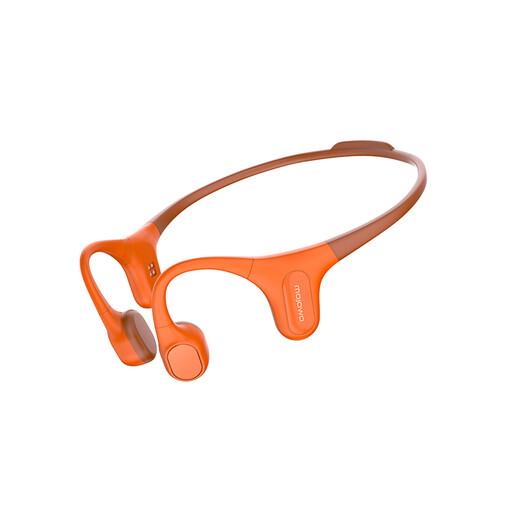
Why it suits this profile: According to the product information, this open-ear model is intended for running, cycling, the gym and swimming. The stated 32 GB of storage can be useful when you don’t always want to take your phone with you.
The stated IP68 rating and internal storage are better suited to intensive use than a model that is only splash-resistant. Always follow the instructions for swimming.
Bone conduction design, 32 GB of built-in storage and IP68 water resistance according to the listing.
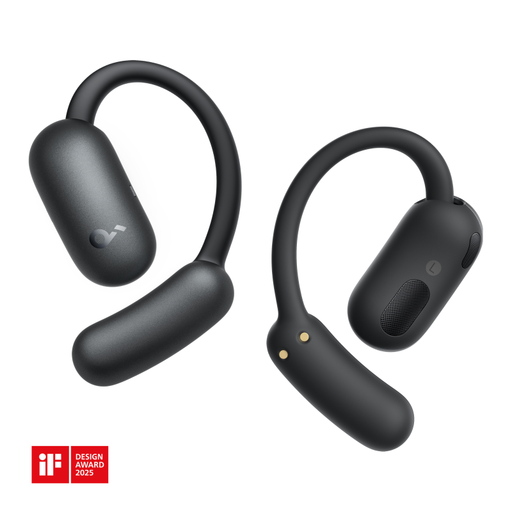
Why it suits this profile: According to the product specification, the open-ear design is intended for calls, music, sport and everyday use. Bluetooth 5.4 and an IP55 rating suit active routines.
The open design means you don’t have to use active noise cancellation for every activity. The IP55 rating provides more information than the general claim of being “water-resistant”.
Bluetooth 5.4, open-ear wearing style, two microphones, button controls and IP55 according to the product information.
Use this quick checklist before ordering wireless earbuds:
We’ve put together a complete, up-to-date list of products that fully meet these strict selection criteria and the applicable European safety regulations.
Charge the earbuds, open the case and activate the Bluetooth settings on your phone. Select the product name from the list of available devices. When pairing for the first time, you may need to press a button on the case or follow a specific procedure in the manual.
Their lifespan depends on charging cycles, use, storage and maintenance. Keep the earbuds in the case, keep the charging contacts clean and avoid extreme heat or moisture. The battery is usually built in and is not designed to be replaced yourself. Also check the supplier’s warranty and service terms.
Wireless earbuds have small batteries, so the power consumption per charge is limited. However, a charging case is recharged more often than the earbuds themselves. Wireless charging is mainly about convenience; charging via USB-C may be more efficient or faster with some models.
