
Vandaag of morgen in huis

Kwaliteit gegarandeerd

Welkomstaanbiedingen ontgrendelen: GRATIS bezorging | Tot 80% korting | Gratis 30 dagen JoyPlus-proefperiode
Download de app
Wireless earbuds are handy for music, podcasts, video calls and commuting. But a long list of features doesn’t automatically mean a model is right for you. A low price can be tempting, but a poor fit or limited microphone can quickly make them less enjoyable to use every day.
Focus on the features you’ll actually use. Below, we cover the main pitfalls, technical specifications and a few models for different listening needs.
Manufacturers often quote total playtime including the charging case. That figure isn’t the same as how long the earbuds last on a single charge. Noise cancelling, volume, codec and phone calls can all affect actual battery life.
So check:
For example, according to the product information, the Sony WF-C710N offers up to 30 hours with noise cancelling and up to 40 hours without it. For the JBL Wave Buds 2, up to 40 hours is quoted with ANC switched off. So don’t just look at the highest figure.
Active noise cancelling, also known as ANC, uses microphones and electronics to reduce background noise. The results vary depending on your ear shape, fit and the type of sound. Low, constant sounds such as train or aircraft noise are generally handled differently from voices or sudden sounds.
Claims such as a specific number of decibels come from the brand’s product information and don’t guarantee the same experience for you. Also check whether the model has an Ambient Sound or transparency mode. This can be useful when you want to hear traffic, announcements or colleagues around you.
In-ear earbuds partially seal the ear canal, so they can offer a different sound and level of isolation from open-ear models. However, they need to stay securely in place. A loose fit can lead to interruptions and a less consistent listening experience.
Open-ear sports earbuds, such as models with ear hooks, leave the ear canal unobstructed. This can be comfortable when running or cycling, as you can stay more aware of your surroundings. The trade-off is that background noise may have more of an effect on your music.
Bluetooth 5.3 or 5.4 mainly tells you which generation of Bluetooth is used; it doesn’t automatically indicate sound quality. Also check for features such as multipoint, which lets you connect to a laptop and smartphone at the same time, for example. This is useful for working from home and taking calls.
The codec also plays a part. According to the product specifications, the Baseus Bass EP10 Pro supports SBC, AAC and LDAC. Check that your smartphone and laptop support the same codec; otherwise, another option will be used automatically.
If you make frequent calls, look for earbuds with a microphone and check the number of microphones and the type of noise reduction. The product description may state that ENC or AI noise reduction is designed to make your voice clearer during calls. How well you can be heard also depends on wind, traffic, your distance from the phone and the app you’re using.
An IPX4 rating means that a product has passed the relevant test for protection against splashes. This isn’t the same as being waterproof or suitable for immersion. IP54 combines dust protection with splash resistance; according to the rating, IP55 provides greater protection against water jets.
Bear in mind that the charging case often has a different rating or may not be water-resistant at all. Dry your earbuds and their charging contacts before putting them in the case.
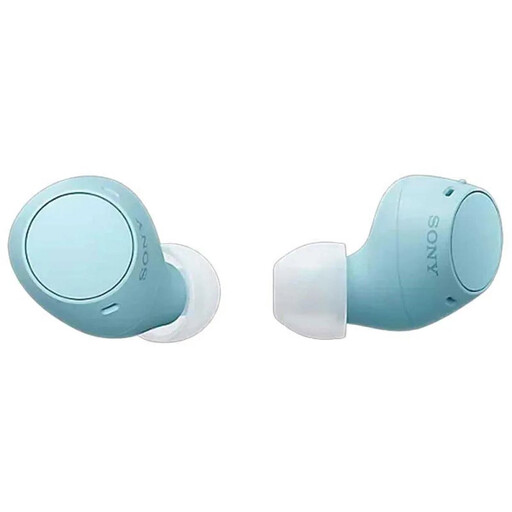
Why it suits this type of listener: This compact model is made for everyday listening and features Bluetooth 5.3, multipoint and a quoted total battery life of 22 hours.
The product specifications list total battery life and Bluetooth version separately. The IPX4 rating is clearly stated, so you won’t mistake it for protection against immersion.
4,6 grams per earbud, Bluetooth 5.3, multipoint and Ambient Sound Mode.
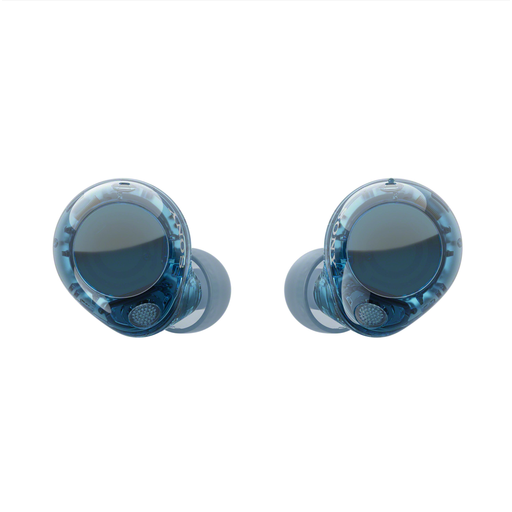
Why it suits this type of listener: For travel, the office and commuting, this model offers active noise cancelling, multipoint and a charging case with USB-C.
The product information gives battery life with and without ANC and also mentions an Ambient Sound Mode. This lets you adjust the listening mode to suit your surroundings.
Active noise cancelling, IPX4, multipoint and fast charging: according to the product information, 5 minutes of charging gives you around 1 hour of listening.
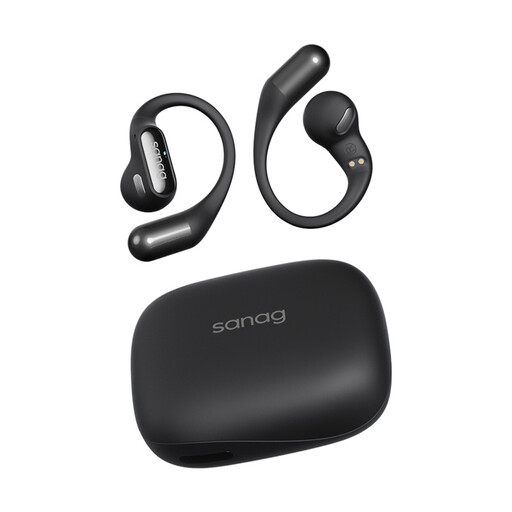
Why it suits this type of listener: The open-ear design with ear hooks is made for running, cycling, fitness and outdoor activities where staying aware of your surroundings matters.
The open-ear design means you don’t need to rely on an in-ear tip for a secure fit. IPX4 is suitable for sweat and light rain, but not immersion.
Around 5,6 grams per earbud, Bluetooth 5.3, touch controls and a quoted total battery life of around 26 to 48 hours, depending on use.
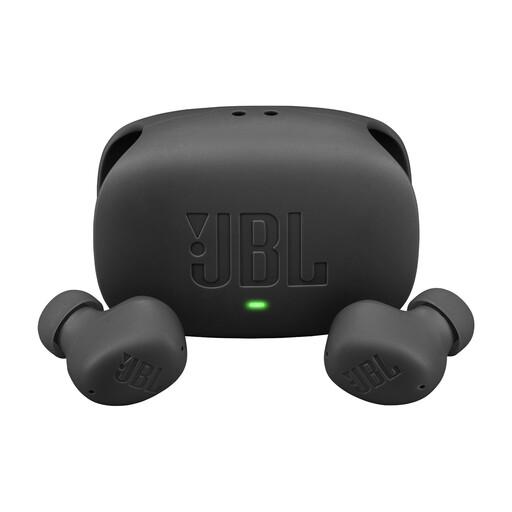
Why it suits this type of listener: This model combines active noise cancelling, multipoint and a microphone for anyone switching between a smartphone, laptop, music and calls.
The product information lists battery life with ANC switched off, charging and the earbuds’ IP54 rating separately. The case has a lower IPX2 rating.
Multipoint, USB-C, Smart Ambient, active noise cancelling and, according to the product information, up to 40 hours of total playtime without ANC.
We’ve put together a complete, up-to-date list of products that meet these strict selection criteria and the applicable European safety regulations.
Not everyone needs wireless earbuds. The Sony IER-EX15C and Samsung EO-IC100 use a USB-C cable and have a built-in microphone. You don’t need to charge them, and they’re suitable for phones, tablets and laptops with a compatible USB-C connection.
Before buying, check that your device supports audio over USB-C. A USB-C port isn’t automatically suitable for audio on every device. A model with a 3.5mm connection, such as the JBL Tune 210, only works with devices that have this connection or with a suitable adapter.
Charge the earbuds and case first. Open the case, switch on Bluetooth on your smartphone and select the product name from the list of available devices. Many true wireless earbuds will reconnect automatically next time. If they don’t, remove the old Bluetooth pairing and follow the reset instructions in the manual.
Lifespan depends on charging cycles, storage, moisture, heat and everyday use. Battery capacity decreases over time, as it does with other devices that have a built-in lithium battery. Store your earbuds in the case, keep the charging contacts clean and don’t charge them when they’re wet. Quoted playtime is a product specification, not a guarantee of overall lifespan.
The earbuds use very little power in the case, but the case itself needs charging. With many models, the earbuds switch off or start charging as soon as they’re placed correctly in the case. Use a suitable USB-C cable and charging accessory, and check that the charging contacts are clean and dry.
