
Vandaag of morgen in huis

Kwaliteit gegarandeerd

Welkomstaanbiedingen ontgrendelen: GRATIS bezorging | Tot 80% korting | Gratis 30 dagen JoyPlus-proefperiode
Download de app
Wireless earbuds with noise cancelling are useful on the train, in the office, while travelling or when making calls. However, a high ANC rating does not automatically mean that a model will suit every user. An unsuitable fit, limited battery life or unclear water resistance can make them disappointing to use.
So don’t just focus on terms such as “Hi-Fi”, “AI” or “powerful noise cancellation”. Look at verifiable specifications, how you intend to use them, and the conditions relating to charging, maintenance and warranty.
Brands sometimes advertise 49 or 50 dB noise cancelling. This figure refers to the maximum attenuation under certain conditions. It does not precisely indicate how much noise you will no longer hear in practice on a train, aeroplane or in a busy office. The fit, the frequency of the surrounding noise and the selected ANC mode also play a part.
According to OnePlus product information, the Buds Pro 3 support active noise cancellation of up to 49 dB. With other models, brand claims such as “stronger noise reduction” may be based on the brand’s own research. Treat these claims as product information rather than a universal guarantee.
A stated battery life often applies to use without active noise cancellation. For example, the OnePlus Buds Pro 3 product specification states up to 10 hours of playback per earbud, but 5 hours with noise cancelling. The charging case can extend the total usage time, but this figure depends on the volume, codec, calls and ANC.
An IP rating consists of two numbers or letters. The first part refers to protection against solid particles, while the second relates to water. IP55 provides protection against dust and water jets under certain conditions. IPX4 is intended to protect against splashes and sweat. Neither rating means that you can submerge the earbuds or use them for extended periods in heavy rain.
ANC earbuds use microphones and electronics to reduce surrounding noise. This works particularly well with constant low frequencies, such as train or aeroplane noise. Voices and sudden sounds are not always filtered out completely.
A transparency mode lets surrounding sound through. This is useful in the office or when you need to hear an announcement. When cycling, driving or in situations where you need to remain alert, it is sensible to switch off noise cancelling and follow local traffic regulations.
Most true wireless earbuds come with several sizes of silicone ear tips. A good seal helps with sound reproduction and can support ANC performance. Tips that are too large can cause pressure, while tips that are too small may come loose and transmit fewer low frequencies.
Also check the weight. According to the product specification, the OnePlus Buds Pro 3 weigh 5.28 grams per earbud. A clip-on model such as the TALIX Ultra-Light is designed with an ear hook and weighs 5.2 grams per earbud according to the product information. This is a different wearing concept from traditional in-ear earbuds.
For earbuds for calls, the number of microphones, wind-noise reduction and microphone placement are all relevant. A large number of microphones does not, by itself, guarantee a perfect conversation. According to Soundcore product information, the Liberty 4 Pro uses six microphones and an algorithm for calls; this is a claim made by the brand.
When it comes to Bluetooth, check the version and supported codecs. Bluetooth 5.3 or 5.4 can contribute to a modern connection, but the final stability also depends on your smartphone, distance and surroundings. Multipoint or dual-device connection is useful if you switch between a laptop and phone.
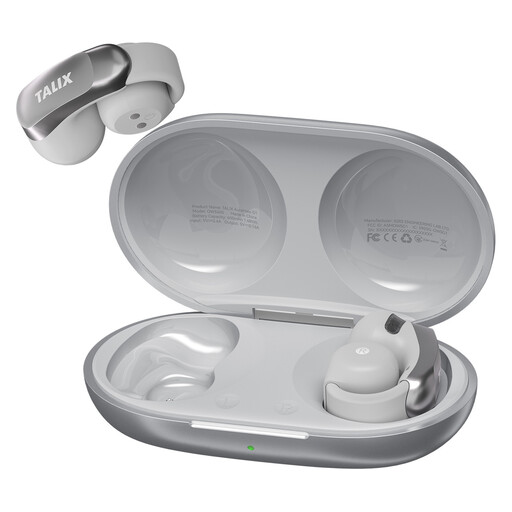
Why it suits this profile: The clip-on design can be comfortable for everyday use, commuting and light sporting activities. The product information lists Bluetooth 5.3, IPX4 and up to 28 hours with the charging case.
The battery information is split into usage per charge and total usage with the case. IPX4 makes it clear that this means splash resistance, not protection against submersion.
5.2 grams per earbud according to the product information; 4 microphones; up to 7 hours per charge and 28 hours with the case.
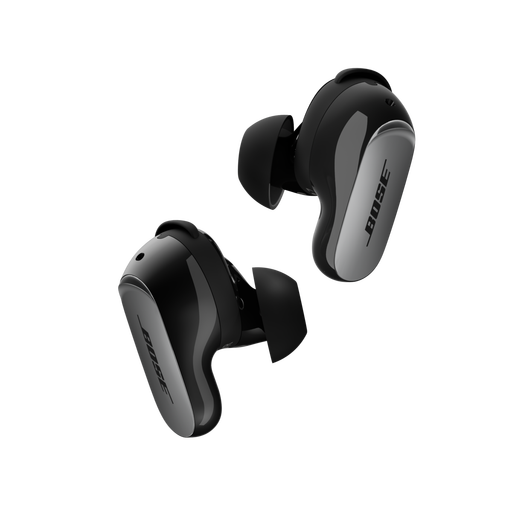
Why it suits this profile: This model is aimed at users who value comfort, customisable sound and noise cancelling for travelling, working and everyday listening.
The included fit kit contains three sizes of ear tips and stability bands. Aware mode provides an alternative when you need to remain aware of surrounding sounds.
Bluetooth 5.3; up to 6 hours of playback; USB-C and wireless charging for the case; IPX4 rating.
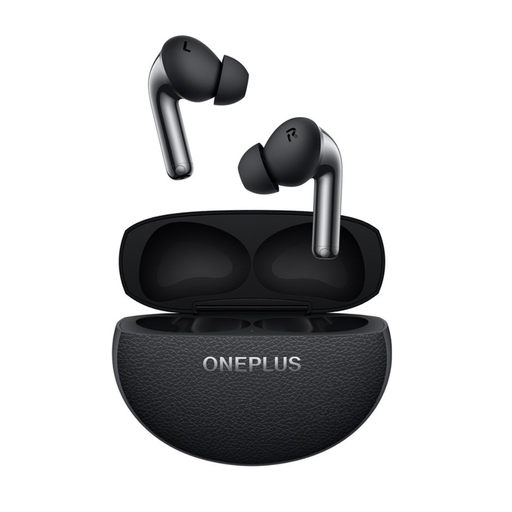
Why it suits this profile: Suitable for users who want to combine active noise cancellation, multipoint, calling and generous battery capacity. The IP55 rating suits sport and commuting within the stated usage limits.
The product specifications list 10 hours of battery life separately from 5 hours with noise cancelling. IP55 and the supported AAC, SBC and LHDC 5.0 codecs are also clearly stated.
Bluetooth 5.4; 3 microphones plus VPU; dual-device connection; 11 mm and 6 mm drivers; charging case with a stated total usage time of 44 hours.

Why it suits this profile: The combination of a charging case with controls, multiple microphones and fast charging is practical for travelling, hybrid working and frequent calls.
According to Soundcore’s own research, the noise cancellation adjusts every 0.3 seconds. Treat this as a brand claim; performance may vary depending on the environment and fit.
Up to 10 hours per charge and 40 hours with the case according to the product information; according to the brand, 5 minutes of charging should provide up to 4 hours of playback; 6 microphones.
We’ve compiled a complete, up-to-date list of products that fully meet these strict selection criteria and the applicable European safety regulations.
Yes. With ANC earbuds, you can often switch on noise cancellation without playing audio. The level of attenuation varies by model and environment. Transparency mode may be more useful when you want to continue hearing conversations or announcements.
Battery capacity decreases over time. Usage per charge is affected by volume, ANC, phone calls and the Bluetooth codec. Store the earbuds in the charging case, keep the contact points clean and avoid heat and moisture while charging. Also check whether replacement parts or servicing are available.
That depends on the fit and IP rating. Sports earbuds with an ear hook can provide extra support. IPX4 is intended to protect against splashes and sweat; according to the rating, IP55 provides protection against dust and water jets under certain conditions. Neither is suitable for swimming or submersion. When cycling or running, listen to your surroundings safely and follow the traffic rules.
