
Vandaag of morgen in huis

Kwaliteit gegarandeerd

Welkomstaanbiedingen ontgrendelen: GRATIS bezorging | Tot 80% korting | Gratis 30 dagen JoyPlus-proefperiode
Download de app
Wireless earbuds with noise cancelling are useful on the train, at the office, when working from home or while exercising. But a high ANC rating or long battery life doesn’t tell you everything. Fit, microphones, Bluetooth compatibility and water resistance all have a big impact on how comfortable the earbuds are for everyday use.
As a Joybuy Product Recommendation Officer, I cut through the marketing claims to focus on the most important product specifications. That makes it easier to compare Bluetooth earbuds, true wireless earbuds and wireless headphones fairly.
Brands sometimes quote noise reduction figures of 49 or 50 dB, for example. According to the brand’s own information, this is a maximum figure measured or calculated under certain conditions. Results can vary on a busy train, depending on the shape of your ears, the fit and the type of noise.
So don’t focus solely on the stated ANC rating. Check whether there are different modes, such as transparency mode, ambient sound or adaptive noise cancelling.
A quoted battery life of 30, 40 or 50 hours usually refers to total listening time, including several recharges from the charging case. The earbuds themselves often last around 5 to 12 hours, depending on ANC, volume and codec.
Always compare these three figures:
Fast charging is useful too. According to the product information, the Sony WF-C710N, for example, offers around 1 hour of listening from a 5-minute charge. The brand’s product specifications state that the Soundcore Liberty 4 Pro offers up to 4 hours from a 5-minute charge.
An IPX4 rating generally protects against splashes, but not immersion. The charging case may also offer less protection than the earbuds themselves. So check the full IP rating before going for a run or cycling in the rain with your earbuds.
A higher rating, such as IP55 or IP57, offers greater protection against dust and water according to the stated product specifications. That still doesn’t mean you can swim with them. Always dry the earbuds before putting them in the case.
In-ear earbuds partially seal the ear canal. A good fit therefore helps with passive noise isolation, even before you switch on ANC. Choose a model with several sizes of silicone ear tips if you want to listen for long periods or find that your ears quickly feel pressured.
Over-ear headphones completely cover your ears. They can be comfortable for travelling or working from home, but they’re heavier and less suited to exercise. AirPods Max models, for example, weigh several hundred grams, while many true wireless earbuds weigh just a few grams each.
Bluetooth 5.3 or 5.4 alone doesn’t guarantee a stable connection. Also check that the earbuds are compatible with your phone and which codecs they support.
If you switch between a laptop and phone, multipoint is more useful than a long list of audio codecs.
For calls and meetings, the number and placement of the microphones, as well as software that reduces background noise, are all relevant. A claim of six microphones is a verifiable product specification, but it doesn’t guarantee that every voice will sound clear in all wind conditions.
Also look for USB-C, wireless charging, physical buttons or touch controls. Touch controls can be handy, but they may respond accidentally when you adjust your earbuds. For everyday use, a stable connection, comfortable fit and easy switching between ANC and transparency mode matter more than extra features you’ll rarely use.
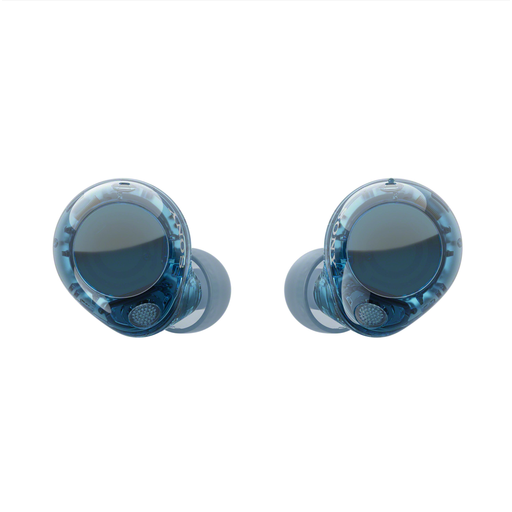
Why it suits this profile: This in-ear model combines Bluetooth 5.3, active noise cancelling, a microphone and multipoint connectivity. It’s suitable for everyday listening and calls, and for switching between your phone and laptop.
The product information gives separate battery life figures with and without noise cancelling. It also clearly states the IPX4 rating, so you won’t mistake splash resistance for full waterproofing.
Bluetooth 5.3, multipoint, USB-C, touch controls and IPX4. The case is included.
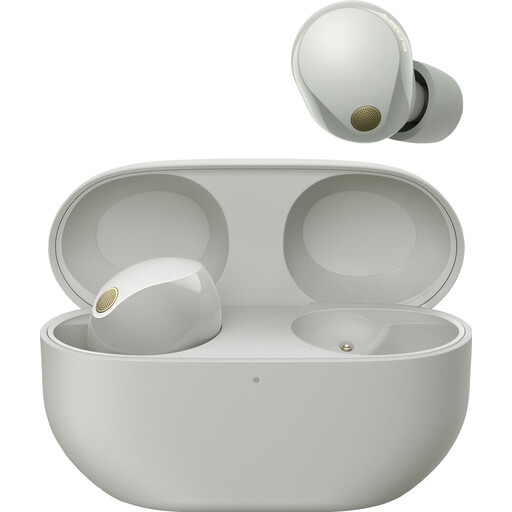
Why it suits this profile: The stated specifications focus on audio quality, active noise cancelling and calls. Support for LDAC, LC3, AAC and multipoint is well suited to people who use different devices and audio sources.
Battery life with ANC is listed separately from the total battery life with the case. The IPX4 rating makes clear that the earbuds are splash-resistant.
Bluetooth 5.3, LDAC support, multipoint, USB-C and an included charging case.
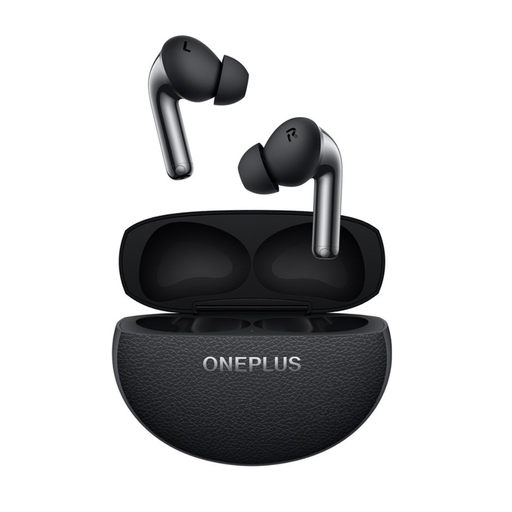
Why it suits this profile: This model is designed for Android and OnePlus users who make calls, exercise and want to connect two devices. The combination of IP55, Bluetooth 5.4 and multipoint is suited to intensive everyday use.
The IP55 rating and battery figures are listed separately in the specifications. The quoted 44 hours refers to use with the case; the stated battery life per charge is lower.
Bluetooth 5.4, IP55, two drivers per earbud, three microphones and dual-device connection.
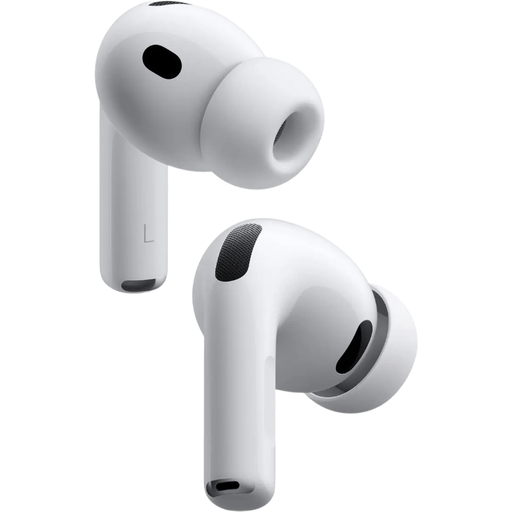
Why it suits this profile: The AirPods Pro 3 are designed for people in the Apple ecosystem. The product information lists five sizes of silicone ear tips, active noise cancelling, spatial audio and an IP57 rating.
The five included ear tip sizes help you find a secure fit. According to the specifications, IP57 covers dust and immersion, but that doesn’t mean you should automatically use the earbuds while swimming.
Bluetooth 5.3, USB-C and wireless charging, a microphone, active noise cancelling and IP57.
We’ve put together a complete, up-to-date list of products that meet these strict selection criteria and current European safety regulations.
ANC earbuds usually work via Bluetooth with both iOS and Android devices. However, some features, such as an advanced equaliser, spatial audio or firmware updates, may require a specific app or work better within a particular ecosystem. Check compatibility before ordering.
Battery life per charge is often around 5 to 12 hours. The overall lifespan of the built-in battery depends on charging cycles, heat, volume and everyday use. A charging case with USB-C and good storage habits can help you keep using your earbuds with ease, but the battery will wear out over time.
Wireless earbuds with noise cancelling can be useful on trains and planes. When cycling or in traffic, though, you need to be able to hear enough of your surroundings. In these situations, use transparency mode or avoid wearing earbuds, depending on traffic conditions and local rules. Also avoid listening at high volume for long periods to protect your hearing.
