
Vandaag of morgen in huis

Kwaliteit gegarandeerd

Welkomstaanbiedingen ontgrendelen: GRATIS bezorging | Tot 80% korting | Gratis 30 dagen JoyPlus-proefperiode
Download de app
Wireless earbuds with noise cancelling come in handy on the train, at the office, on a flight or when you want to listen to music at home. Even so, a long list of features doesn’t automatically mean a model suits how you use it. Three marketing claims in particular often lead to disappointment: a high ANC number without a clear measurement method, a long battery life that only applies under ideal conditions, and a water resistance rating that gets misinterpreted.
By checking the right specifications, you’ll find true wireless earbuds that better fit your phone, ears and daily routine.
Active Noise Cancelling, or ANC, mainly targets constant low-frequency sounds such as a train, aeroplane or ventilation system. Voices, sudden sounds and wind aren’t always reduced in the same way. A claim like “up to 40 dB” is therefore no guarantee you’ll have the same experience in every environment. According to the product description of the Redmi Buds 6 Pro, the ANC level is up to 40 dB; actual performance can depend on fit, surroundings and settings.
Also check for a transparency mode. This lets in ambient sound when, for example, you want to hear an announcement or talk to someone.
Manufacturers often quote playtime without ANC. With active noise cancelling, higher volumes and phone calls, your usage time may be lower. Look for three figures:
The Soundcore Liberty 4 Pro states, according to the product information, up to 10 hours between charges and up to 40 hours with the case. A quick five-minute charge could, according to Anker’s own product description, deliver up to four hours of playtime. Treat this as a product specification, not a guaranteed usage time for every situation.
An IP rating indicates the conditions a product has been tested against. IPX4 or IP57 doesn’t mean your earbuds are safe to submerge or to swim with. Sweat, rain and dust are covered differently per model. Always check the exact IP rating and don’t use the earbuds outside the stated conditions.
In-ear earbuds seal the ear with silicone tips. The right size affects not only comfort, but also passive noise isolation and therefore how effective ANC feels. Check whether multiple ear tip sizes are included. With the Redmi Buds 6 Pro, sizes S, M and L are listed in the product information. The Bose QuietComfort Ultra Earbuds come with different ear tips and stability bands.
A model that starts to cause pressure after twenty minutes isn’t a practical choice for long train journeys, work or travel. Comfort is personal, so try different tips and insert the earbuds as per the manual.
Bluetooth 5.3, 5.4 or a newer version mainly refers to the connection standard used. Your final experience also depends on your smartphone, laptop and the audio codecs supported. Sony WF-1000XM5 supports, according to the product specifications, AAC, LC3, LDAC and SBC. Check whether your device supports the codec you want before paying extra for a HiFi feature.
Also look for multipoint or automatic switching between devices. This is useful if you use a laptop and smartphone at the same time, but not every model handles this in the same way.
For call-friendly earbuds, the number of microphones, their placement and software noise reduction matter. More microphones don’t automatically mean every call sounds crystal clear. Look for a specific description of call noise reduction, wind noise reduction or speech microphones.
The Soundcore Liberty 4 Pro lists six microphones and an algorithm for reducing wind noise. The Samsung Galaxy Buds4 Pro has, according to the product information, six microphones and a Deep Neural Network for calls. These are verifiable product specifications; quality can still vary by location, wind strength and phone connection.
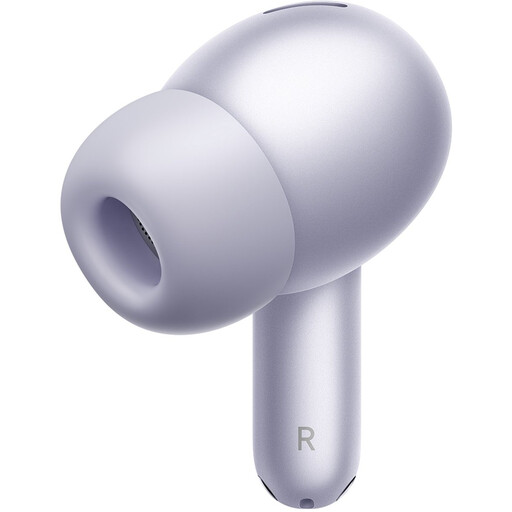
Why it suits this profile: An accessible model for music, commuting and everyday use, with ANC, a gaming mode and generous total battery life according to the product information.
The specifications list ANC, Bluetooth 5.3, multiple ear tip sizes and a USB-C case. That lets you check in advance whether the core features suit your usage.
Up to 9 hours per earbud and up to 38 hours with case according to the product information; low latency of 59 ms for compatible applications.
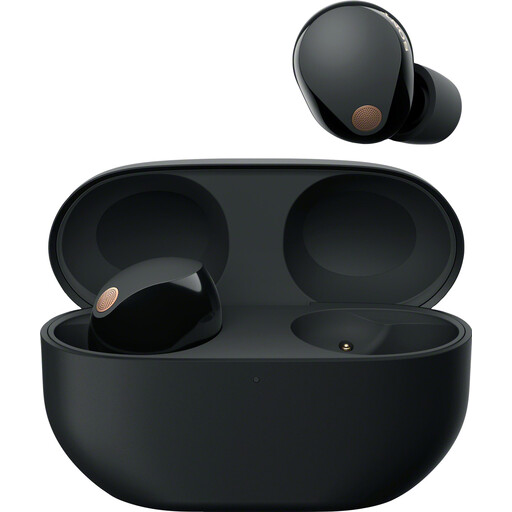
Why it suits this profile: Appealing for listeners who care about codec support, multipoint, a compact in-ear design and a quick top-up for extra playtime.
The product information lists battery life with and without ANC separately, plus IPX4 and multipoint. That makes important usage conditions clear up front.
Support for LDAC, AAC, LC3 and SBC; according to the product description, three minutes of charging gives up to 60 minutes of playtime.

Why it suits this profile: A particularly good fit for users with Galaxy devices who want to make the most of features such as Auto Switch, Galaxy AI integration and wireless charging.
The product listing specifies separate playtimes with and without ANC and lists IP57. That stops you relying on a generic battery claim alone.
2-way speaker system, 24-bit/96 kHz audio according to the product information, wireless charging and six microphones.

Why it suits this profile: A versatile choice for travel, listening to music and calls, with multiple sensors, a configurable case and USB-C fast charging according to the product description.
According to the product information, the case includes a touch bar and display to adjust ANC levels. Battery life with case and a short top-up are also listed separately.
Six sound sensors and one pressure sensor according to the brand description; six microphones and up to 10 hours of playback per charge as per the listed specifications.
We’ve compiled a complete, up-to-date list of products that fully meet these strict selection criteria and comply with applicable European safety regulations.
Check these points before ordering:
Don’t use ANC when you need to hear traffic or other important ambient sounds clearly. Also avoid listening at high volume for prolonged periods.
Yes, ANC can reduce ambient sound even when no music is playing. The degree of reduction varies by model and environment. Constant low frequencies are usually handled differently to voices or sudden sounds.
Battery capacity decreases over time due to charge cycles and usage. Overall lifespan depends on charging habits, storage, temperature and daily use. Store the earbuds in the case, keep them clean and avoid extreme heat. When buying, check both the playtime per charge and the case capacity.
That depends on the fit and IP rating. A model with a splash resistance rating may be suitable for light exercise, but not automatically for swimming or prolonged exposure to rain. Always check the product specifications and usage limitations.
