
Vandaag of morgen in huis

Kwaliteit gegarandeerd

Welkomstaanbiedingen ontgrendelen: GRATIS bezorging | Tot 80% korting | Gratis 30 dagen JoyPlus-proefperiode
Download de app
When looking for wireless earbuds with noise cancelling, people often focus first on the brand, discount and battery life. However, it’s the fit, protection rating and real-world battery life that determine whether you’ll enjoy using them every day. A low price can still prove costly if the earbuds fall out while you’re exercising, run out of charge quickly or won’t connect properly to your laptop.
In this buying guide, you’ll find out which features you can check, which marketing claims to treat with caution and what type of true wireless earbuds suits your needs.
Active noise cancellation, also known as ANC, uses electronics to reduce background noise. How well it works varies depending on the situation. Low, constant sounds, such as the rumble of a train, are generally easier to reduce than voices or sudden noises.
The seal in your ear also makes a difference. The wrong size of silicone ear tip can affect how well ANC works and how the earbuds sound. Check whether the earbuds come with several sizes of tips and whether they have a transparency mode.
Manufacturers often quote the longest playback time under specific conditions. With ANC switched on, during phone calls, at high volumes or when frequently switching between devices, battery life may be shorter. Check both the battery life of each earbud and the total capacity with the charging case.
Fast charging is handy if you’re often on the go. For example, Sony states that on several models, five minutes of charging can provide around an hour of playback. This is a claim from Sony’s product information; actual battery life depends on your settings and how you use the earbuds.
An IPX4 rating means protection against splashes. This is useful in light rain and when you’re sweating, but it doesn’t mean the earbuds are suitable for swimming, showering or submersion. Also check the difference between the earbuds and the case: the case may not have the same protection rating.
For intense workouts, water-resistant earbuds with a higher rating may be more suitable. Always check the official product specifications rather than relying on terms such as “sport-proof” or “durable”.
Most wireless in-ear earbuds seal the ear with silicone tips. This helps with passive noise isolation, but not everyone finds in-ear earbuds comfortable to wear for long periods. Models with an ear hook or open-ear design often stay more secure during movement, but offer a different listening experience and usually provide less isolation.
Look out for:
Don’t just look for the “active noise cancelling” label. Check whether the model has a microphone, how many microphones are listed and whether it has an ambient mode. For working from home, clear calls and a stable connection are often more important than a long list of audio technologies.
When it comes to sound quality claims, bear in mind that features such as DSEE, LDAC or spatial audio may enhance the listening experience, according to information provided by the brand. These claims don’t guarantee that every user will get the same results.
Bluetooth 5.3 is available on several models in this range. The version alone doesn’t tell you everything about range or stability; your phone, laptop and surroundings also play a part. Multipoint earbuds can connect to two devices at the same time. This is handy if, for example, you switch between a work computer and your smartphone.
Also check which codecs are supported. AAC and SBC are common. LDAC or LC3 may be useful if your source device supports them, but both devices need to be compatible.
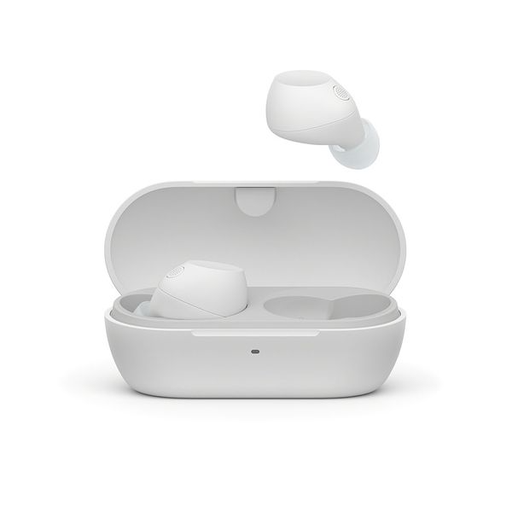
Why it suits this user: This model combines active noise cancellation, multipoint and a charging case for everyday use, without requiring you to opt for a more advanced model straight away.
The specifications list ANC, IPX4 and up to 30 hours of battery life with the case and ANC, according to Sony. Before buying, check how the product specifications are shown on the product page.
Bluetooth 5.3, multipoint, USB-C and IPX4 splash resistance.
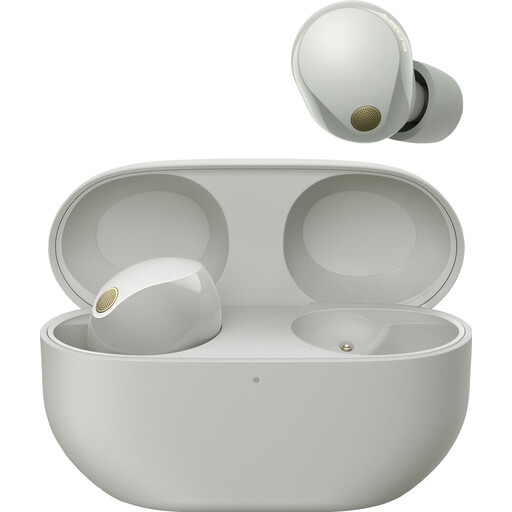
Why it suits this user: If you travel, make calls and listen to music regularly, you’ll benefit from features such as multipoint, active noise cancellation and support for several codecs.
The product information lists up to 24 hours of use with the case, fast charging and IPX4 protection. This gives you an idea of both the total battery life and the limits of splash resistance.
Bluetooth 5.3, LDAC support, multipoint and USB-C.
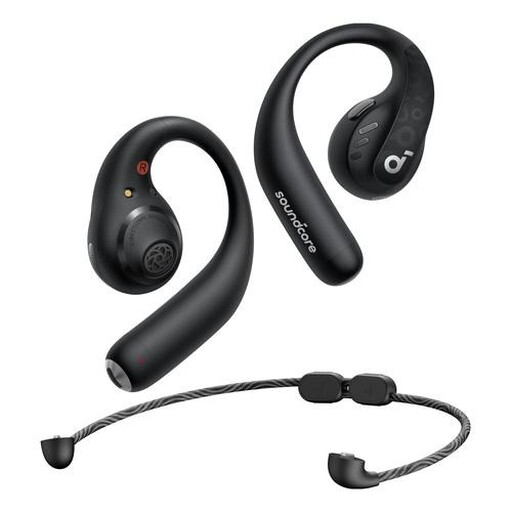
Why it suits this user: The ear-hook design is made for movement, walking and exercise. The more open fit can be comfortable if you want to stay aware of your surroundings.
The IPX5 rating is higher than IPX4, but still doesn’t protect against submersion. The ear hooks help keep the earbuds in place while you’re moving.
Bluetooth 5.3, up to 14 hours of playback per charge and support for AAC, LDAC and SBC.
We’ve put together a comprehensive, up-to-date list of products that meet these strict selection criteria and the applicable European safety regulations.
Yes, many models have a built-in microphone and Bluetooth profiles for calls. How clearly you can be heard depends on the microphone position, wind and background noise. If you have lots of online meetings, multipoint and a transparency mode are useful features.
Battery capacity decreases over time. Battery life per charge depends on ANC, volume, calls and temperature. Keep your earbuds in their case, charge them with a suitable cable and avoid exposing them to prolonged heat. The statutory guarantee and any manufacturer’s warranty are listed for each product.
The electricity used for charging is generally minimal. The main ongoing costs are more likely to come from replacing earbuds after they wear out or get lost. A model with replaceable ear tips, a sturdy case and a comfortable fit may therefore be more cost-effective in practice than a cheap pair you rarely use.
