
Vandaag of morgen in huis

Kwaliteit gegarandeerd

Welkomstaanbiedingen ontgrendelen: GRATIS bezorging | Tot 80% korting | Gratis 30 dagen JoyPlus-proefperiode
Download de app
When you’re looking for wireless earbuds with noise cancelling, it’s easy to focus on the decibel rating, battery life and a well-known brand name. But those details don’t tell the whole story. The fit, microphones and compatibility are just as important in determining whether you’ll enjoy using the earbuds every day.
What’s more, commuters, home workers, music lovers and fitness enthusiasts all have different priorities. Below, you’ll discover which specifications you really need to check, which marketing claims to take with a pinch of salt, and which models suit different use cases.
Brands sometimes quote a maximum noise reduction in decibels. According to the brand’s own measurements, such a figure may have been recorded under specific conditions. In real-world use, the result also depends on the fit, the shape of your ear canal and the type of noise.
Low-frequency rumbles from a train are generally easier to cancel electronically than voices, keyboards or traffic. So don’t just look at a claim like 49 or 50 dB – also consider:
A product might claim 10 hours of playback, but ANC, high volume levels and phone calls can all reduce that. So check whether the manufacturer distinguishes between listening with and without noise cancelling.
Also pay attention to the total capacity of the charging case. A model with 6 hours per charge can be enough for daily commuting if the case can recharge the earbuds several times. For long journeys, wireless earbuds with a long battery life and fast charging are more practical.
An IP rating consists of separate protection levels. IPX4 means splash resistance, while IP55 also indicates protection against dust particles. A higher rating doesn’t automatically mean you can submerge the earbuds.
Also check whether the case has the same protection as the earbuds. Often the IP rating only applies to the buds themselves. After an intense workout, dry them off before storing them, and only charge them when the charging contacts are dry.
A good fit stops you from constantly turning up the volume to mask background noise. That’s a practical advantage for long train journeys and workdays. Look at the range of silicone ear tips supplied and the weight of each earbud.
Not every design suits every ear. Some models fit deep in the ear canal, while others have a lighter or less sealed shape. If you often feel pressure or irritation, you might also like to browse our selection of ultra-comfortable earbuds.
Bluetooth 5.3 or 5.4 mainly tells you about the generation of the connection; it doesn’t on its own guarantee trouble-free range in every home. Also check the supported audio codecs. AAC and SBC work broadly with iPhone and Android, while codecs like LDAC or LHDC only offer an advantage when your phone and settings support them.
Features such as Google Fast Pair, Apple integration, multipoint and a companion app can make daily use easier. Check beforehand whether all the features are available on your phone.
With earbuds for music and calls, the number of microphones and the software processing are relevant. More microphones can help separate your voice from background noise, but the final call quality also depends on wind, placement and network connection.
If you often take calls outdoors, it’s worth looking for wind noise reduction, a transparency mode and physical or customisable touch controls. That way, you’ll need to take your phone out of your pocket less often.
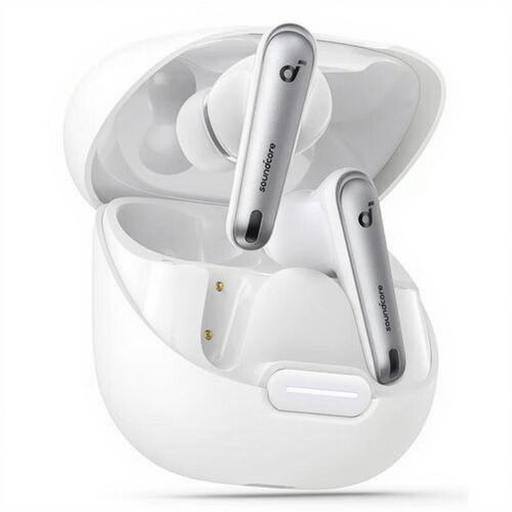
Why it fits this profile: This model combines Bluetooth 5.3, touch controls and a charging case with a straightforward set of features for everyday listening and calls. According to the product specification, the playback time is up to 10 hours per charge.
The product specification lists six microphones, extra ear tips and IPX4 splash resistance. This helps you tailor the fit and use case more effectively from the start.
Bluetooth 5.3, USB-C, LDAC support, touch controls and up to 10 hours of audio per charge according to the stated specifications.
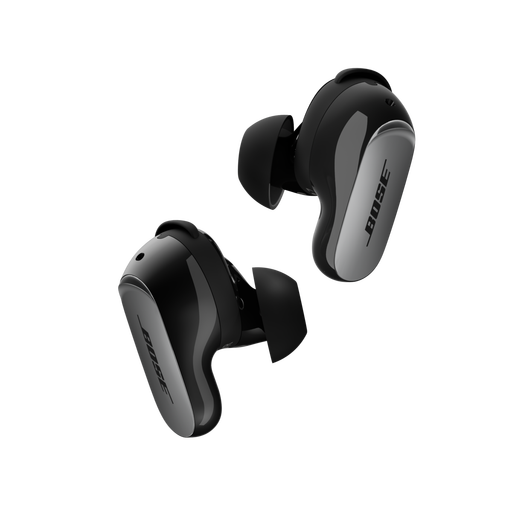
Why it fits this profile: The combination of active noise cancellation, Aware Mode, Bluetooth 5.3 and CustomTune is designed for travel, work and extended listening sessions.
The set comes with three sizes of ear tips and stability bands. This allows you to adjust the fit more precisely than with a model that only offers one standard size.
Up to 6 hours of playback, USB-C and wireless charging for the case, plus IPX4 splash resistance according to the product specification.
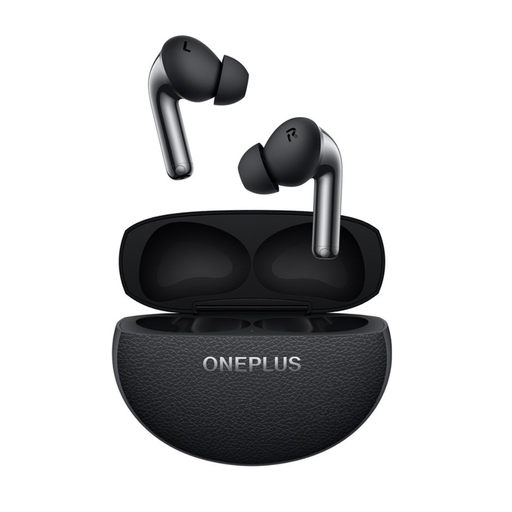
Why it fits this profile: This model suits users who make calls, exercise and use multiple devices. The product specification lists Bluetooth 5.4, multipoint and IP55 protection.
The IP55 rating, three microphones with VPU and the included case make the use case clearer than a standalone claim about noise cancellation.
11 mm and 6 mm drivers, AAC, SBC and LHDC codecs, multipoint and up to 12 hours of battery life according to the stated product information.
We’ve put together a full, up-to-date list of products that fully meet these strict selection criteria and comply with current European safety regulations.
Yes, with active noise cancelling the earbuds can reduce background noise even when no music is playing. The effect varies by model and type of sound. Use the transparency mode when you need to hear traffic, announcements or colleagues.
The battery life per charge for the models mentioned is roughly between 6 and 12 hours, depending on settings. The total playback time with the case can be much higher. The actual lifespan of the built-in battery depends on charge cycles, temperature and usage. A charging case with USB-C and optional wireless charging makes daily top-ups easier.
Most Bluetooth earbuds work with both systems for basic functions like music and calls. Advanced features, such as an equaliser, firmware updates, spatial audio or device finding, may depend on the brand and operating system. So check the app and codec compatibility with your phone before you buy.
