
Vandaag of morgen in huis

Kwaliteit gegarandeerd

Welkomstaanbiedingen ontgrendelen: GRATIS bezorging | Tot 80% korting | Gratis 30 dagen JoyPlus-proefperiode
Download de app
Wireless earbuds with noise cancelling often look very similar on paper. In practice, however, they can differ significantly in comfort, battery life, call quality and water protection. A long list of features does not automatically mean that a model is right for the way you use it.
Train journeys call for different features than running or making calls every day. Pay particular attention to how the active noise cancellation is described, how long the earbuds actually last and whether the fit is suitable for your ears.
Brands sometimes quote a percentage or a number of decibels. According to a brand’s own research, such a figure may have been measured under specific conditions. In practice, the result also depends on the fit, the type of sound and how well the ear canal is sealed.
Active noise cancellation works particularly well against constant low-frequency sounds, such as the noise of a train, aeroplane or air conditioning. Voices, bicycle bells and sudden noises may still be audible. A transparency mode is therefore useful when walking in traffic or when you want to remain able to hear colleagues in the office.
A manufacturer may quote playback time with noise cancelling switched off, with noise cancelling switched on or including the charging case. These figures are not directly comparable. Always check:
A model with a long total battery life may still only last for a short time per session. That is usually not a problem for commuting, but it can matter during long journeys or working days.
An IPX4 rating means protection against splashing water, such as light rain or sweat. You cannot automatically use earbuds with this rating while swimming or showering. Also check the charging case: it may have a different level of protection from the earbuds themselves.
For intensive exercise, a secure fit and a suitable IP rating are more important than an eye-catching design. Dry the earbuds and their contact points before putting them back in the case.
True wireless earbuds should create a good seal without constantly applying pressure. A set with several sizes of silicone ear tips makes it easier to find the right fit. Some wireless earbuds use a stability band or ear hook, which can help during walks or exercise.
A good seal does not just improve comfort; it also affects the perceived bass and how well noise cancelling works. In-ear earbuds that fit too loosely let in more background noise and may fall out more easily.
Bluetooth 5.3 or 5.4 provides a modern connection, but does not in itself say anything about sound quality. Also check which codecs are supported and whether multipoint is available. With multipoint, for example, you can keep a laptop and smartphone connected at the same time.
For earbuds used for calls and music, the number of microphones and the software used for voice and wind-noise reduction are also relevant. These features do not guarantee that every call will be improved; your results depend on the wind, traffic and the phone app being used.
A charging case protects the earbuds and recharges them while you are out and about. The Soundcore Liberty 4 NC, for example, states up to 10 hours of playback per charge, with the case supplied as an additional charging source. For the Sony WF-C710N, the product information states up to 30 hours with noise cancelling and up to 40 hours without noise cancelling, including the case.
Use battery figures as a guide. Volume, codec, temperature and active features can all affect usage time.
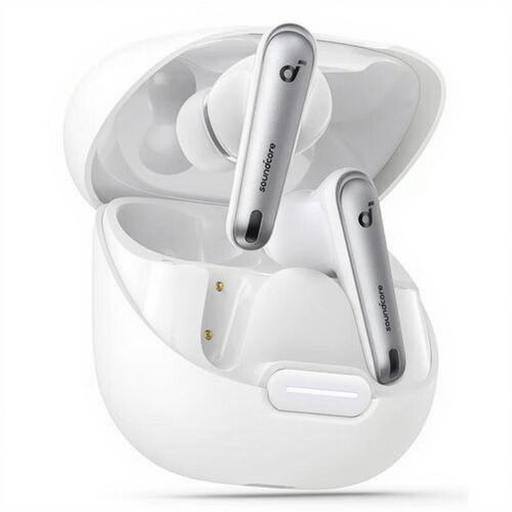
Why it suits this profile: This model combines Bluetooth 5.3, active noise cancellation, touch controls and a charging case for everyday use, calls and music.
The product information states both the playback time per charge and IPX4 splash protection. This means you can check the key usage limits in advance.
Up to 10 hours of audio according to the specifications, six microphones, LDAC support and additional ear tips for a better fit.
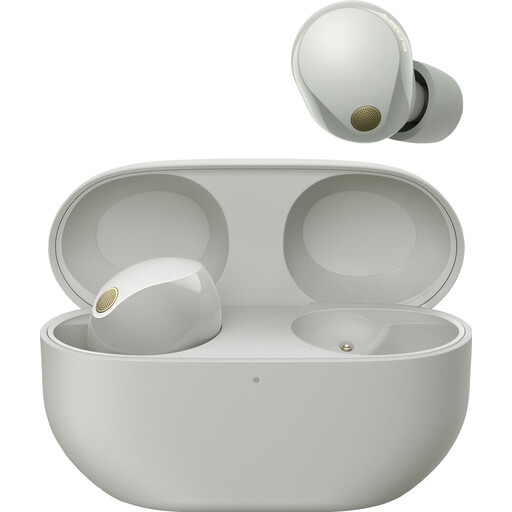
Why it suits this profile: Ideal for anyone who values codecs, multipoint, adjustable settings and comprehensive audio customisation.
The stated IPX4 rating makes it clear that this is protection against splashes, not suitability for use underwater. Battery life is listed separately for ANC use.
Support for LDAC, AAC, LC3 and SBC, multipoint and up to 24 hours with the case according to the product description.
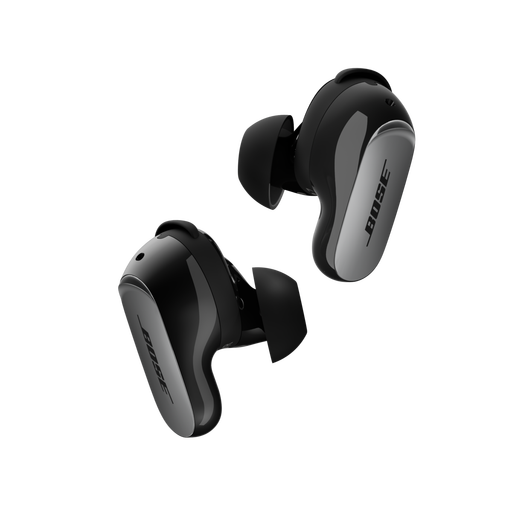
Why it suits this profile: An option for travelling, working and everyday use where fit, adjustable noise control and a wireless charging case are important.
The set comes with several sizes of ear tips and stability bands. This helps you avoid immediately blaming the ANC function when the fit is loose.
Bluetooth 5.3, multipoint, CustomTune, IPX4 and up to 6 hours of playback per charge according to the product specifications.
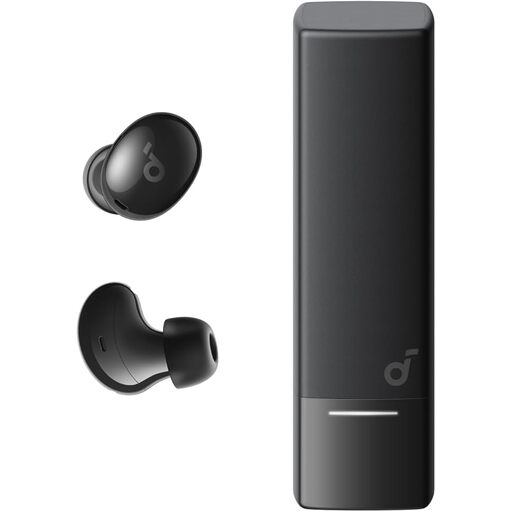
Why it suits this profile: The compact design, multipoint and IP54 rating suit users looking for a small set for commuting and light exercise.
IP54 offers more protection against dust and splashing water than IPX4, but swimming and submersion are still not suitable. Playback time is listed separately for the earbuds and case.
Bluetooth 5.4, multipoint, four built-in microphones and up to 7 hours of playback, or up to 24 hours with the case, according to the product information.
We have put together a complete, up-to-date list of products that fully meet these strict selection criteria and the applicable European safety regulations.
That depends on the microphones and the voice-processing software. ANC is primarily designed to reduce noise for the listener. For the other person on a call, the microphones and call-noise reduction are more important. As well as ANC, check the number of microphones and the information provided about call quality.
Battery capacity decreases over time, but practical lifespan also depends on charging habits, heat, moisture and daily use. Store the earbuds in the charging case, avoid extreme temperatures and charge them with a suitable USB-C cable. A longer claimed battery life does not automatically mean a longer overall lifespan.
Do not use active noise cancellation when you need to hear your surroundings, for example when cycling, crossing the road or passing roadworks. In these situations, choose transparency mode or switch the earbuds off. Also keep the volume at a comfortable level and take regular breaks.
