
Vandaag of morgen in huis

Kwaliteit gegarandeerd

Welkomstaanbiedingen ontgrendelen: GRATIS bezorging | Tot 80% korting | Gratis 30 dagen JoyPlus-proefperiode
Download de app
Wireless earbuds with noise cancelling are useful on the train, in the office, during a flight or whenever you want to listen in peace at home. However, a high dB rating or long battery life does not tell you everything. The fit, microphones and water resistance often determine whether you are still happy with your choice after a few weeks.
Pay particular attention to these three common pitfalls:
With active noise-cancelling earbuds, microphones measure the surrounding sound. The electronics then create an opposing sound wave. Performance depends on the microphones, software, fit and how the model handles wind.
A transparency or aware mode lets surrounding sounds through instead. This is useful in the office or while out walking. Do not use noise cancelling in situations where you need to hear traffic or warning sounds, and do not wear earbuds while driving or cycling.
For calls, multiple microphones and wind-noise reduction are relevant. Claims about extra-clear calls come from the brand’s product information. Treat them as product specifications to compare, rather than as a guaranteed experience in every environment.
Compare three figures:
According to the product information, the Sony WF-1000XM5, for example, offers a total battery life of 24 hours with the charging case and up to 60 minutes of playback after 3 minutes of charging. The Bose QuietComfort Ultra Earbuds (2nd Gen) offer up to 6 hours of playback in Quiet or Aware mode. With Immersive Audio, this is up to 4 hours according to the description.
Bear in mind that ANC, spatial audio and high volume levels can affect battery life. A case with USB-C is practical, while wireless charging adds convenience if you already use a charging pad.
With true wireless earbuds, ear tips create the seal. Check how many sizes are included and whether stability wings or additional tips are available. According to the product description, the Bose QuietComfort Ultra Earbuds (2nd Gen) come with several ear tips and stability bands.
The IP rating indicates the type of exposure against which the product has been tested. IPX4 means splash resistance; this is not the same as being suitable for submersion. IPX5 offers protection against water jets under specified test conditions, but even then, swimming is not a sensible use.
Bluetooth 5.3 or 5.4 mainly tells you about the connection standard. Also check support for multipoint, codecs such as AAC, SBC or LDAC, and compatibility with your phone. Features such as LDAC do not always work with every device or in every usage setting.
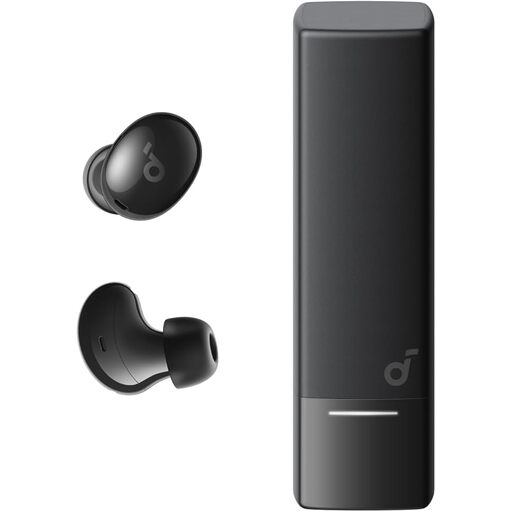
Why it suits this profile: This compact model is designed for everyday use, commuting and calls. According to the product description, it offers multipoint and up to 7 hours of playback, or up to 24 hours with the case.
The description explicitly states the playback time with the charging case. The included fit information helps prevent a poor seal.
Bluetooth 5.4, multipoint, USB-C, four microphones and IP54 according to the product information.
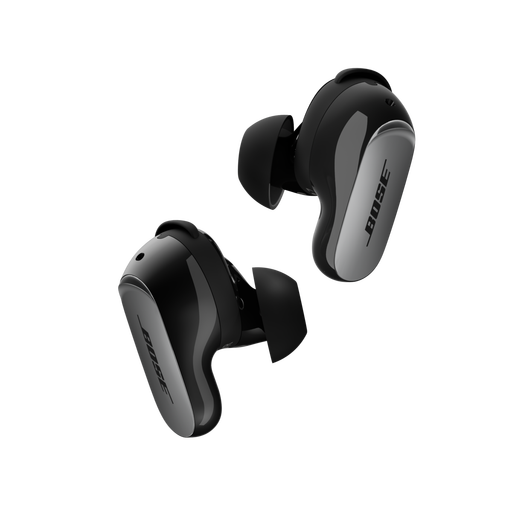
Why it suits this profile: Ideal for listeners who value personalisation, a secure fit and noise cancelling while travelling or working.
According to Bose, the fit can be adjusted using different ear tips and stability bands. Aware mode offers an alternative to fully enclosed listening.
Up to 6 hours of playback, Bluetooth 5.3, wireless and USB-C charging, and IPX4 according to the product information.
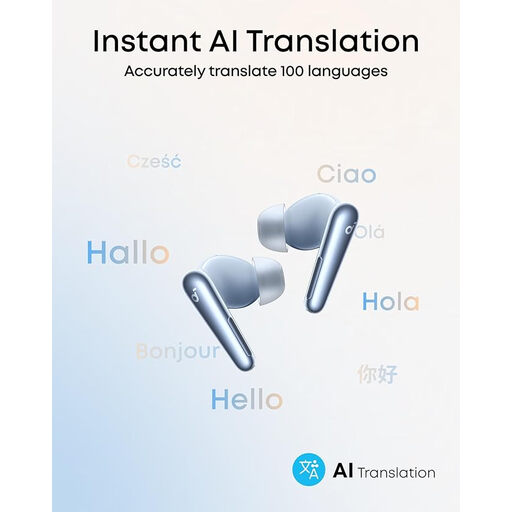
Why it suits this profile: A sensible choice for travellers, callers and active users looking for extensive adjustment options and longer total playback time.
The product description mentions seven sensors and real-time noise-cancelling adjustments. However, check whether these features are available for your phone.
Up to 10 hours of playback, up to 40 hours with the case, USB-C, six microphones and a fast-charging function according to the brand description.
We have compiled a complete, up-to-date list of products that fully meet these strict selection criteria and the applicable European safety regulations.
Yes. On models with a dedicated ANC mode, noise cancelling can usually be switched on without music playing. The level of attenuation varies by model, fit and surroundings. Constant sounds are generally handled differently from voices or sudden noises.
Battery wear, charging habits, software and daily use all affect how long they last. Battery capacity decreases over time. Store the earbuds in their case, avoid extreme heat and use a suitable USB-C charger. In the event of a defect, your statutory consumer rights in the European Union apply, so keep your proof of purchase.
They can be, but check the microphones, fit and IP rating beforehand. For sports, IPX4 or IPX5 models are generally more practical than models without a stated splash-resistance rating. For calls in busy environments, multiple microphones and wind-noise reduction are useful specifications. However, no model replaces awareness of your surroundings in traffic.
