
Vandaag of morgen in huis

Kwaliteit gegarandeerd

Welkomstaanbiedingen ontgrendelen: GRATIS bezorging | Tot 80% korting | Gratis 30 dagen JoyPlus-proefperiode
Download de app
Finding the right wireless earbuds can feel like searching for a needle in a haystack. The market is flooded with models that all promise the world. Unfortunately, clever marketing terms often lead to a bad purchase. As a Product Recommendation Officer at Joybuy, I see the challenges consumers face every day. To help you make an informed decision, we'll highlight the three most common pitfalls and explain what you should really be looking for.
Before you pull out your wallet, it's crucial to see through the marketing hype. Many specifications sound impressive but are misleading in practice.
Manufacturers often advertise a battery life of 24, 30, or even 50 hours. What they don't always clearly state is that this is the total playback time, including full recharges from the charging case. The actual usage time on a single charge is far more important. If your earbuds die after just 3 hours, a case that can recharge them five more times is of little use, especially if you have a long trip ahead of you.
The term "waterproof" is used far too loosely. Many earbuds for sports have an IP rating, but not every code means the same thing. An IPX4 rating means the earbuds are splash-proof, making them resistant to sweat and light rain. However, they are not designed to be worn in the shower or dropped in water. Without understanding the IP code, you might buy earbuds that don't survive your first intense workout.
Earbuds with noise cancelling are incredibly popular, but there's a huge difference between passive and active noise reduction. Passive noise cancelling is simply the result of the earbuds sealing your ear canal, which every in-ear model does to some extent. True Active Noise Cancellation (ANC) uses microphones and advanced technology to actively filter out ambient sound. A model that only offers passive isolation will disappoint you on a noisy train or in an open-plan office.
To avoid a bad purchase, focus on the objective specifications that matter for your use case.
Always look for two numbers:
The IP code consists of two digits, but for earbuds, the second digit (protection against liquids) is the most important.
The connection and audio performance are the core of any Bluetooth earbud.
To get you started, we've highlighted a few models that suit specific needs, based on their specifications.
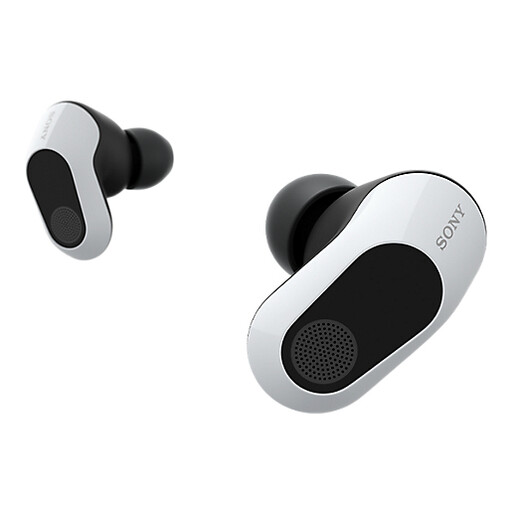
Why This Fits Their Persona: Specifically designed for gamers who refuse to compromise. The combination of spatial sound and minimal latency provides a competitive edge in games.
These earbuds bypass the Bluetooth latency trap with a USB-C dongle that provides a 2.4GHz connection with a latency of less than 30ms. The ANC is effective, allowing you to fully focus on the game.
According to Sony, the 360 Spatial Sound technology offers precise opponent detection. The battery life of 12 hours on a single charge (via dongle) is more than enough for long gaming sessions.
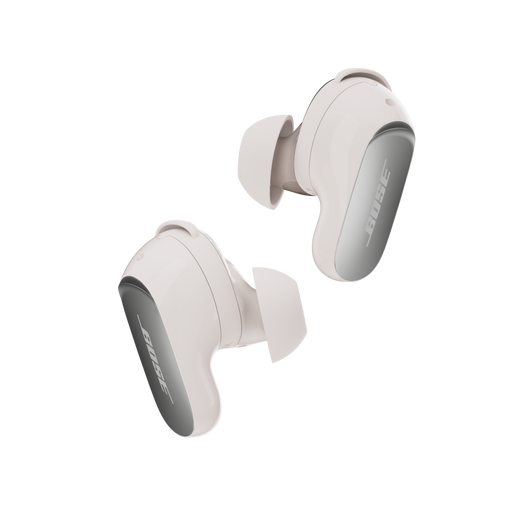
Why This Fits Their Persona: Ideal for those who commute daily on public transport or work in a noisy environment and need silence and a high-quality listening experience.
This model tackles the pitfall of vague noise cancelling claims head-on. Bose is renowned for its active noise cancellation technology. According to the manufacturer, CustomTune technology analyzes your ear and adapts the sound and noise cancellation for a personalized result.
The combination of effective ANC and Bose's proprietary Immersive Audio creates a spatial and captivating listening experience. The fit is customizable with 9 included eartips and stability bands.
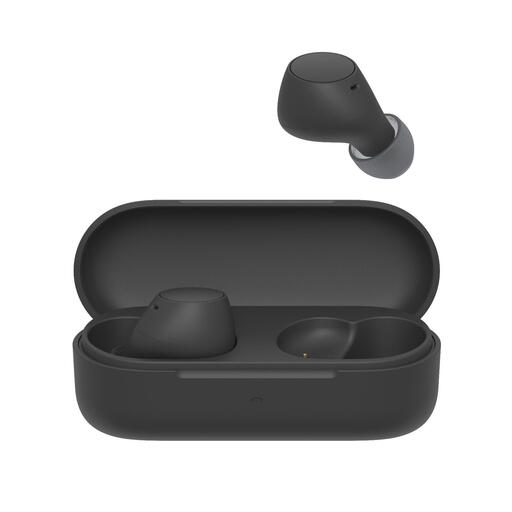
Why This Fits Their Persona: A reliable choice for daily use, from the gym to the home office. These earbuds provide a solid foundation without making you pay for features you might not need.
This model is honest about its specifications. The IPX4 rating is clearly communicated as splash-proof, perfect for workouts. The battery life is specified as 10 hours per charge, with a total of 20 hours with the case, providing a realistic and practical picture.
The lightweight and ergonomic design ensures a comfortable fit. Through the Sony app, you can customize the sound to your liking with the equalizer, offering a degree of personalization not always found in this price range.
We have compiled a complete, up-to-date list of products that fully meet these strict selection criteria and local regulations.
The lifespan of TWS earbuds is primarily determined by the health of the built-in lithium-ion batteries. With daily use, you'll typically notice a decrease in the maximum battery life per charge after 2 to 3 years. The earbuds themselves can function for longer, but declining battery performance is often the reason for replacement.
Passive noise cancelling is the physical blocking of sound because the earbuds seal your ear canal. This works reasonably well for high-pitched, sudden noises. Active Noise Cancellation (ANC) uses microphones to measure low-frequency, constant ambient noise (like the hum of an engine or air conditioning) and produce an opposing sound wave. This results in a much quieter listening experience.
Yes, most modern wireless earbuds support 'mono mode'. This means you can use one earbud (usually the right, but often the left as well) independently for both listening to music and making calls. This is useful if you want to remain aware of your surroundings or extend the battery life. Check the model's specifications to be sure this feature is supported.
