
Vandaag of morgen in huis

Kwaliteit gegarandeerd

Welkomstaanbiedingen ontgrendelen: GRATIS bezorging | Tot 80% korting | Gratis 30 dagen JoyPlus-proefperiode
Download de app
Wireless earbuds and headphones can differ considerably in comfort, sound isolation, battery life and ease of use. A low price does not automatically mean a model is unsuitable, but striking marketing claims do not tell the whole story either. If you focus mainly on “noise cancellation”, “long battery life” or “water resistant”, you may overlook important details.
Pay particular attention to these three common pitfalls:
In-ear earbuds partially seal the ear canal and are compact for commuting. TWS earbuds have no cable connecting the left and right sides. They are practical, but finding the right fit depends on the included ear tips and the shape of your ears.
Open-ear earbuds and clip-on models let more ambient sound through. This can be useful when walking or exercising in the city. The downside is that background noise can affect your music more strongly. Bone-conduction headphones also use an open design, but transfer sound differently from traditional in-ear models.
For extended use, weight, pressure on the ear and adjustability are more important than appearance alone. Wireless headphones with large ear cushions can be comfortable when working from home, but less practical on a crowded train or during intense exercise.
Bluetooth version 5.2, 5.3, 5.4 or higher mainly indicates compatibility and power management; the overall experience also depends on your phone, laptop and software. So check whether the model supports multipoint if you want to switch quickly between, for example, a work phone and a laptop.
For calls, the number and placement of microphones are relevant specifications. Manufacturers may claim noise reduction or AI voice processing. Describe these as product features, not guaranteed results: according to the brand’s own information, certain microphones are designed to capture speech more clearly in noisy situations. Wind, the distance from your phone and your surroundings will still have an impact.
Gamers should also consider latency. A gaming headset with a 2.4GHz receiver may offer a different connection experience from Bluetooth. Also check compatibility with PC, PlayStation, Xbox, Nintendo Switch and mobile devices.
Check each of the following separately:
A model with a quoted playback time of 60 hours may be appealing for long journeys, but a compact model offering 8 to 10 hours per charge may be enough for everyday commuting. Wired earbuds, such as models with a 3.5mm or USB-C connection, do not need a built-in audio battery. They can therefore be used straight away, provided your device has the right connection.
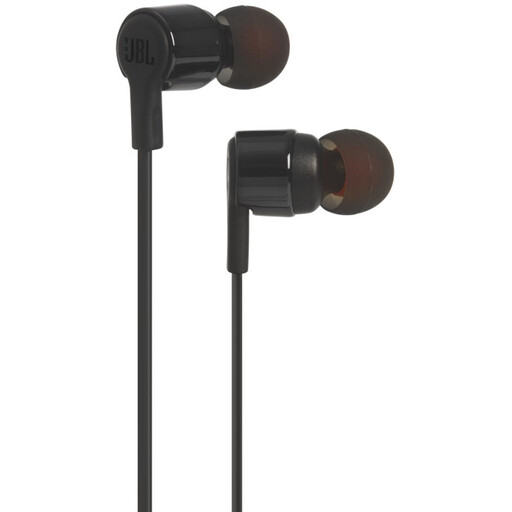
Why it suits this profile: A straightforward choice for music, podcasts and phone calls without Bluetooth or charging.
The 3.5mm connection makes the power supply and connection clear: there is no quoted wireless battery life to interpret.
Built-in microphone, volume control and an instant plug-and-play connection via 3.5mm.

Why it suits this profile: An over-ear model for listeners who value long listening sessions, adjustable sound and noise cancellation.
The quoted battery life of up to 60 hours is combined with an explicitly stated transparency mode and wired use; do check the settings you use.
42mm drivers, four microphones, Bluetooth and a 3.5mm cable according to the product information.
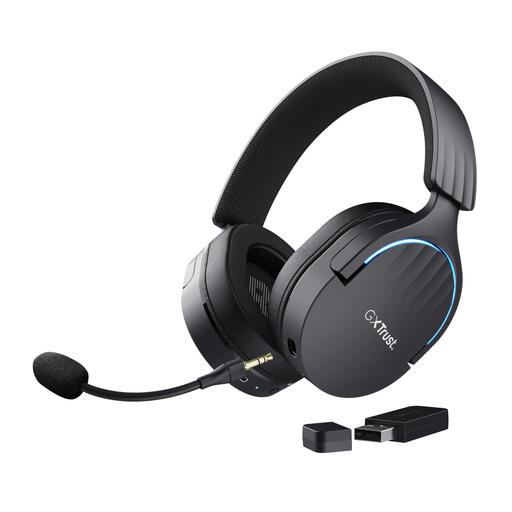
Why it suits this profile: Designed for gamers who want wireless freedom, but also need a cable option and clear voice communication.
The headset works via Bluetooth, a 2.4GHz USB receiver and a 3.5mm cable. This provides an alternative when one connection is not suitable.
Quoted battery life of up to 22 hours, virtual 7.1 sound and detachable microphone.
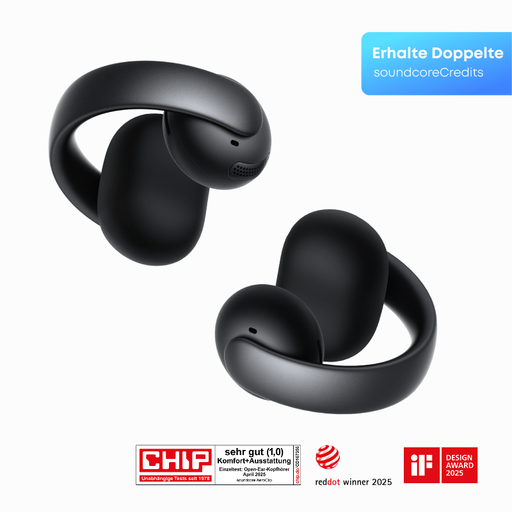
Why it suits this profile: The open-ear clip-on design is intended for walking, exercising and everyday use without a traditional in-ear seal.
The fit is visibly different from ordinary earbuds: the flexible open ring keeps the model around your ear without a closed ear tip.
Four beamforming microphones, an open design and a flexible ring that, according to the product information, can withstand up to 20,000 bends.
We have put together a complete, up-to-date list of products that fully meet these strict selection criteria and the applicable European safety regulations.
That depends on the microphones, their placement and your surroundings. Choose a model with a built-in microphone and check whether the manufacturer mentions beamforming or noise reduction. These features do not guarantee interference-free calls. If possible, also test how clearly your voice remains audible in windy conditions or traffic.
Playback time per charge ranges from a few hours to around ten hours, while a charging case can provide additional charges. The product’s overall lifespan depends on charging habits, storage, moisture and battery wear. Keep earbuds dry, charge them with a suitable cable and clean the contact points carefully.
Noise cancellation can reduce ambient sound and is therefore not always suitable in traffic. Only use audio when you can maintain sufficient awareness of your surroundings through sight and hearing, and follow the Dutch traffic regulations. For walking or exercising, an open-ear model may be more practical, but you still need to remain alert.
