
Vandaag of morgen in huis

Kwaliteit gegarandeerd

Welkomstaanbiedingen ontgrendelen: GRATIS bezorging | Tot 80% korting | Gratis 30 dagen JoyPlus-proefperiode
Download de app
Wireless audio is convenient when you’re out and about, working from home or exercising. However, an attractive product image is no guarantee of a good purchase. With wireless earbuds and headphones, battery life, noise cancellation and water resistance are often presented as being greater than the specifications actually justify.
So watch out for these three common pitfalls:
Bluetooth earbuds are compact, but in-ear models seal the ear canal. This can be useful on public transport, although not everyone finds them comfortable to wear for long periods. Look for multiple sizes of ear tips in the box, and check the weight of each earbud.
Open-ear earbuds and clip-on models sit around or beside the ear. They let in more ambient sound and can be suitable for walking, working or exercising. The trade-off is that background noise remains audible alongside your music. When cycling or taking part in other traffic situations, you must also follow local traffic regulations and remain sufficiently aware of your surroundings.
Wireless headphones with on-ear ear cushions distribute pressure differently from in-ear earbuds. An adjustable headband and soft cushions are important if you listen for several hours at a time.
Check the battery life of the earbuds individually as well as the total playtime with the case. A model offering 7 to 10 hours per charge may be enough for a working day, while a long battery life of 40 to 55 hours including the case is particularly useful when travelling.
Fast charging is handy when you’re short on time. However, check the conditions under which the stated figure applies. Volume, codec, active noise cancellation and phone calls can all affect actual usage time.
For wireless headphones for calls and music, microphones and noise reduction for calls matter more than simply the number of microphones. Manufacturers may measure performance in different ways. Claims should therefore be treated with care: according to Soundcore’s product information, certain models feature beamforming microphones and algorithms for clearer calls, but the experience may vary depending on the surroundings.
Bluetooth 5.3 or 5.4 mainly tells you about the connection technology being used. It does not automatically guarantee a longer range or better sound with every device. Also check for multipoint support if you often switch between a laptop and smartphone.
The IP code is relevant for sports earbuds:
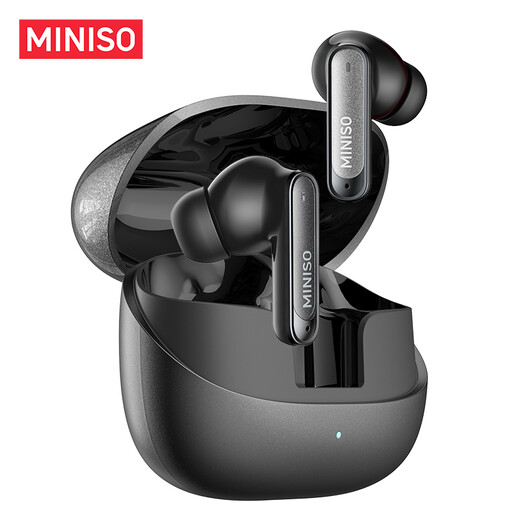
Why it suits this profile: This TWS model combines a compact design with features for the office, commuting and sport. The stated total battery life is up to 55 hours with the case.
The product information lists total battery life, fast charging and IPX5 separately. When purchasing, however, check the current product specifications and usage time per charge.
Bluetooth 6.0 according to the product listing, IPX5 water resistance and a built-in microphone. The listing also mentions connection to two devices.

Why it suits this profile: For travellers and music lovers who value features such as noise cancellation, fast charging and multiple microphones.
The listing specifies battery life per charge and with the case. Noise reduction claims come from Soundcore’s product information and depend on the fit and surroundings.
Up to 10 hours of playback according to the listing, up to 40 hours with the case, USB-C and six microphones. The product information also mentions Bluetooth 5.3 and LDAC.
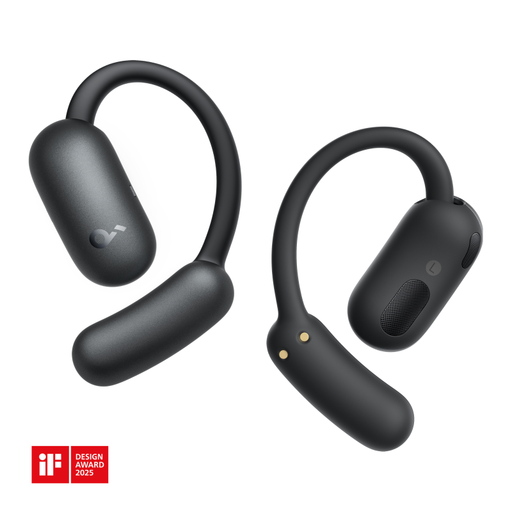
Why it suits this profile: The open-ear design is intended for sport, walking, calls and everyday wear without blocking the ear canal.
The IP55 rating makes the limits clearer than a general claim such as ‘sports-proof’. This model is not intended for immersion.
Bluetooth 5.4, two microphones, physical buttons and a stated battery capacity of 750 mAh combined with a charging station.
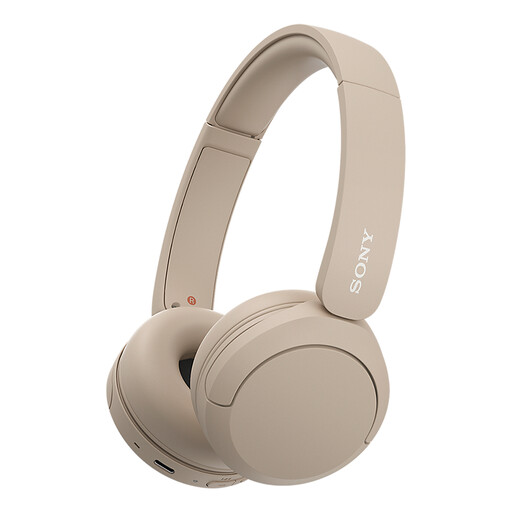
Why it suits this profile: A lightweight pair of on-ear wireless headphones with a headband can be comfortable for long conversations, video meetings and listening to music at your desk.
The listing explicitly mentions multipoint, a microphone and USB-C. At the same time, this model is not water-resistant, so do not use it in the rain or during intense exercise.
On-ear design, microphone, multipoint and a stated playtime of up to 50 hours. The product specifications also mention Bluetooth and USB-C.
We’ve put together a complete, up-to-date list of products that fully meet these strict selection criteria and the applicable European safety regulations.
First, charge the earbuds and place them in pairing mode. Then open the Bluetooth settings on your smartphone and select the product name. If it doesn’t work, remove the previous pairing and try again. For specific models, consult the supplied manual.
Usage time per charge usually ranges from a few hours to around ten hours, depending on the model and its features. The case extends the total playtime. The product’s lifespan also depends on charging cycles, moisture, temperature and careful maintenance. Keep the charging contacts clean and store the earbuds in a dry place.
They can be, but noise cancellation for music and noise reduction for calls are different functions. Look at the number of microphones, support for voice processing and the product information about calling. For important calls, always test first how your voice comes across in a busy environment. Keep the volume low enough, and do not use headphones in situations where you need to hear traffic or ambient sounds clearly.
