
Vandaag of morgen in huis

Kwaliteit gegarandeerd

Welkomstaanbiedingen ontgrendelen: GRATIS bezorging | Tot 80% korting | Gratis 30 dagen JoyPlus-proefperiode
Download de app
When you’re looking for wireless earbuds and headphones, you’re often confronted with impressive claims: AI noise cancellation, Hi-Res Audio, long battery life and a lag-free connection. Yet an isolated marketing term says little about day-to-day use. A model may offer long playback time but feel uncomfortable to wear. Or a pair of headphones may support noise cancellation while the microphone makes you harder to hear in a busy office.
As a Joybuy Product Recommendation Officer, I filter the most important information down to practical considerations. That way, you can compare models for commuting, calls, studying, sport, gaming and listening to music.
With Bluetooth earbuds, usage time may refer to playback per charge, while a manufacturer may list the capacity including the charging case for other models. The figures are therefore not directly comparable. Look out for the difference between:
A TWS model with a high total capacity can be useful when travelling, but also check how often you need to put the earbuds back in the case.
A noise-cancelling pair of headphones uses microphones and electronic processing to reduce background noise. Its performance varies depending on the frequency, fit and surroundings. Low, constant sounds such as train or aeroplane noise are generally processed differently from voices or sudden sounds.
Claims such as “up to -45 dB” or “up to -50 dB” come from the brand’s product information. Treat these figures as product specifications measured under certain conditions, not as a guarantee for every user. A good seal around the ear cushions or earbuds remains important.
In-ear earbuds seal the ear canal and remain compact, but the fit varies from one ear to another. Sports earbuds with ear hooks may stay in place better during movement, while a half-in-ear model feels less enclosed. With over-ear headphones, the pressure from the headband, the weight and the heat around your ears play a greater role.
So choose based on your intended use and wearing comfort first. Sound features are only useful if you can wear the product comfortably for longer periods.
Bluetooth 5.3, Bluetooth 5.4 and Bluetooth 6.0 represent different generations of wireless connectivity. Above all, check whether your phone, laptop, tablet or games console is compatible with the functions you want. Lower latency can be useful for gaming, but not every mode works with every device.
A USB-C pair of headphones may transmit audio via a wired connection or charge via USB-C. With USB-C earbuds, pay close attention to the difference between:
If you don’t want to use Bluetooth, you can look for headphones with a microphone via 3.5 mm or USB-C. Wired models do not need a battery and are ready to use straight away, but your device’s connection must match.
For online meetings, lessons and phone calls, the number and positioning of the microphones are relevant. A product description may refer to call noise cancellation or beamforming. According to the brand’s own information, these functions are designed to pick up your voice more clearly, but actual intelligibility also depends on wind, distance and the app being used.
An adjustable microphone is particularly practical with a wireless gaming headset. For office work, an integrated microphone may be less conspicuous.
According to the usual IP classification, IPX4 means protection against splashing water, while IPX5 indicates protection against water jets under specified conditions. Neither rating means that a product is suitable for immersion. Also check whether the manufacturer explicitly recommends using it during sport.
Dry earbuds after intensive use with a soft cloth, and do not charge a wet product. Most models are not designed for use in swimming pools or prolonged exposure to moisture.
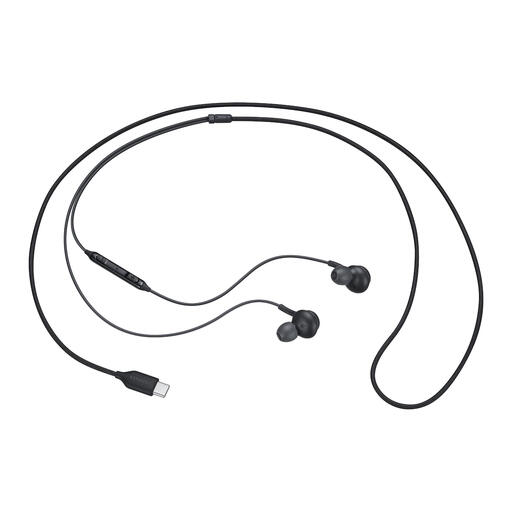
Why it suits this profile: This wired model is ideal for everyday listening without pairing or charging. Its USB-C connection works with many modern smartphones, tablets and laptops.
There is no battery life figure to misinterpret. However, check first that your device supports USB-C audio.
According to the product information: USB Type-C, built-in microphone, button controls, a weight of 18.35 grams and multiple earbud sizes.

Why it suits this profile: These over-ear headphones are designed for listeners who value comfort, adjustable sound and wireless use over longer sessions.
The product information lists both a transparency mode and adjustable noise cancellation. The ear cushions and headband are also designed for extended wear.
According to the manufacturer: up to 60 hours of playback, four microphones, Bluetooth, USB-C charging, a 42 mm transducer system and a 3.5 mm cable for wired use.
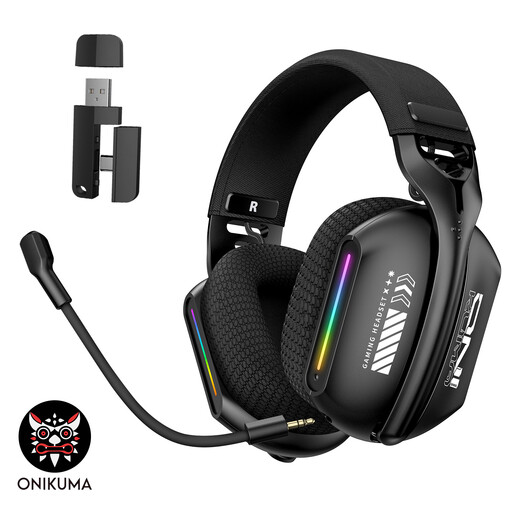
Why it suits this profile: Gamers who want to switch between 2.4 GHz, Bluetooth and wired use get several connection options for PCs, laptops and other devices.
The three modes let you tailor the connection to gaming or music. However, check which mode is available on each platform.
According to the product description: Bluetooth 5.3, 2.4 GHz wireless, wired mode, an adjustable microphone, memory foam ear cushions and USB-C charging.
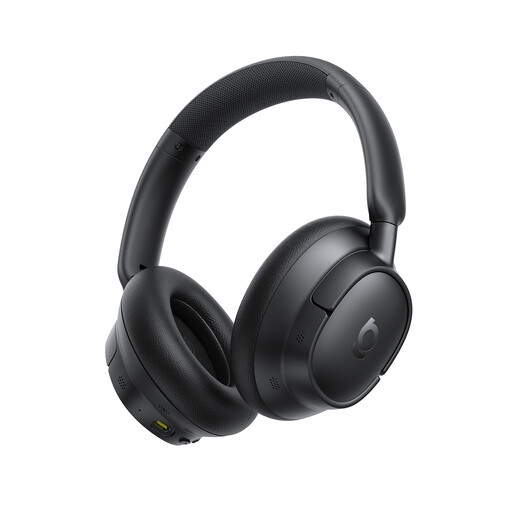
Why it suits this profile: An over-ear design with a long stated playback time is well suited to train journeys, flights, office work and long study sessions.
The product information distinguishes between playback time with ANC switched off and switched on. This gives you a more realistic picture of battery usage.
According to the manufacturer: up to 80 hours without ANC, up to 55 hours with ANC, Bluetooth 6.0, USB-C fast charging and five microphones for calls.
We’ve put together a complete, up-to-date list of products that fully meet these strict selection criteria and the applicable European safety regulations.
Charge the earbuds first, open your phone’s Bluetooth settings and put the earbuds into pairing mode. Then select the product name from the list. If it doesn’t work, remove any previous pairing and try again. Always consult the manual for the specific button or touch controls.
Their lifespan depends on battery usage, charging cycles, storage and care. The stated battery life is an indication of usage and may decrease at higher volumes, with active noise cancellation or during frequent phone calls. Keep the earbuds in their case and avoid heat and moisture. Wired headphones do not have a battery, but the cable and connection may wear out over time.
Wireless models use power and need to be charged. In return, you get greater freedom of movement. Wired earbuds, such as a USB-C headset or 3.5 mm model, work without charging but require a compatible connection. So don’t just consider the purchase price; also take your devices, charging options and preferred convenience into account.
