
Vandaag of morgen in huis

Kwaliteit gegarandeerd

Welkomstaanbiedingen ontgrendelen: GRATIS bezorging | Tot 80% korting | Gratis 30 dagen JoyPlus-proefperiode
Download de app
Wireless earbuds often look very similar, but the differences become most noticeable after a few weeks of use. Short battery life, a poor fit or a microphone that does not filter out background noise effectively can quickly make a bargain purchase inconvenient. Many consumers also choose Bluetooth earbuds even though their phone, laptop or tablet may be better suited to a wired USB-C connection.
In this guide, we explain which specifications really matter. We then match several models to different user profiles, helping you make a more informed choice.
Manufacturers often state the playback time per earbud. This is not the same as the total usage time with the charging case. Check both figures carefully. For example, the Trust Yavi offers up to 6 hours per charge and up to 23 hours when used with the case. That difference matters on long train journeys or during full working days.
Also consider the conditions under which the battery life was measured. Volume, codec, active noise cancellation and phone calls can all affect usage time. A model with USB-C charging is also more practical if you already use a USB-C cable for other devices.
Passive noise isolation is created by the seal formed by the earbuds in your ear canal. ENC generally refers to microphone technology for clearer calls. ANC uses active signal processing to reduce background noise. These terms are not interchangeable.
According to the product information, the QCY Melobuds Neo features ANC and ENC for calls. The Google Pixel Buds Pro models are also supplied with active noise cancellation, according to the product description. However, check whether the transparency mode you want is available. In traffic, while cycling or when crossing the road, you may need to continue hearing surrounding sounds.
The IP code indicates what a device is protected against according to its stated classification. IP54 includes protection against dust and splashing water, while IPX5 refers to protection against water jets under certain conditions. Neither rating means you can submerge the earbuds.
Also pay attention to the difference between the earbuds and the charging case. With some models, the case is not water-resistant even when the earbuds are. Dry the charging contacts before charging.
Wireless in-ear earbuds connect via Bluetooth and give you freedom of movement. TWS earbuds consist of two separate earbuds and are usually stored in a charging case. Look at the Bluetooth version, but remember that the final connection also depends on your smartphone, laptop and the codec being used.
Wired USB-C earbuds do not require their own battery and can be used directly with compatible devices. They are suitable for users who do not want to charge their earbuds or who regularly switch between devices. Check beforehand whether your device supports audio via USB-C. A USB-C port does not automatically mean that every audio accessory will work.
According to the product specifications, the Sony IER-EX15C has a 120-centimetre cable, a microphone and a remote control. The Samsung EO-IC100 also uses USB-C and features a built-in DAC, buttons and a microphone.
A good fit depends on more than just weight. Consider:
A fit that is too loose often reduces sound isolation and can cause irritation during exercise. A model that is too tight may become uncomfortable after extended use. Try the supplied sizes and clean the earbuds regularly with a dry, soft cloth.
For earbuds for calls and music, the number and positioning of microphones, as well as call processing, are relevant. More microphones do not automatically mean clearer calls. Look for verifiable information, such as a stated microphone count or ENC support, and check user reviews where available.
Touch controls are convenient when you are out and about, but they can be activated accidentally when adjusting the fit. Physical buttons generally provide more tactile feedback. Choose controls that suit the way you use your earbuds every day.
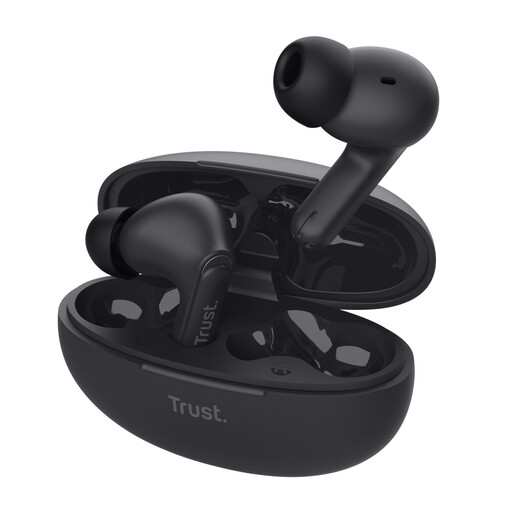
Why it suits this profile: This model is designed for everyday listening, travel and calls without a cable. According to the product information, the case provides up to 23 hours of total playback time.
The stated playback time per earbud and with the charging case makes comparisons easier. The earbuds charge via USB-C.
Bluetooth 5.1, touch controls, a microphone and a case with a USB-C connection.
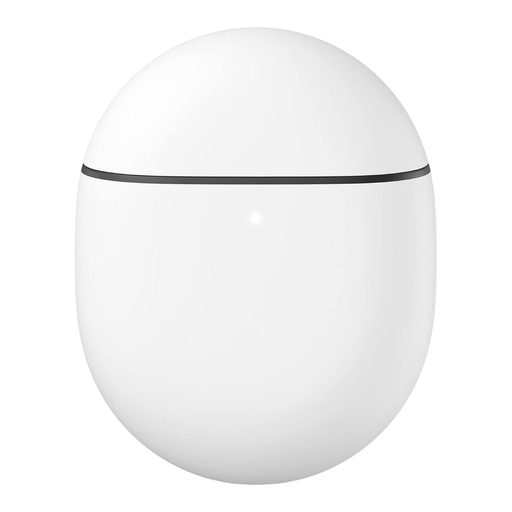
Why it suits this profile: According to Google’s product information, these earbuds are designed for users looking for active noise cancellation, transparency mode and customisable sound settings.
The product specifications distinguish between active noise cancellation and ambient mode. Several ear tip sizes are also specified.
ANC, transparency mode, wireless charging and multipoint, according to the stated specifications.
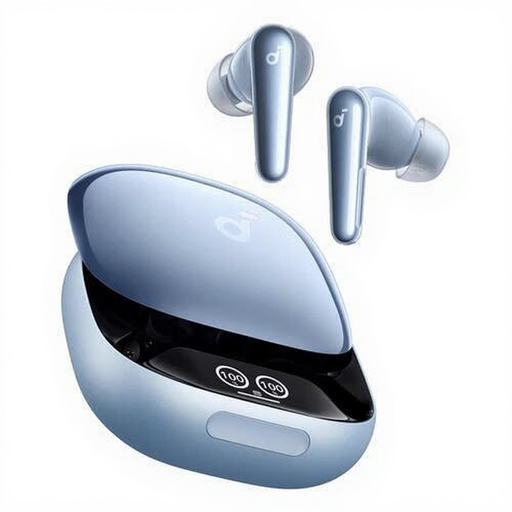
Why it suits this profile: The stated combination of TWS, six microphones, IPX5 and additional ear tips is suitable for exercise, calls and intensive everyday use.
The IPX5 rating provides a clear point of comparison for splash protection. The additional ear tips help you find a secure fit.
Up to 10 hours of stated playback time, six microphones, touch controls and a USB-C charging case.
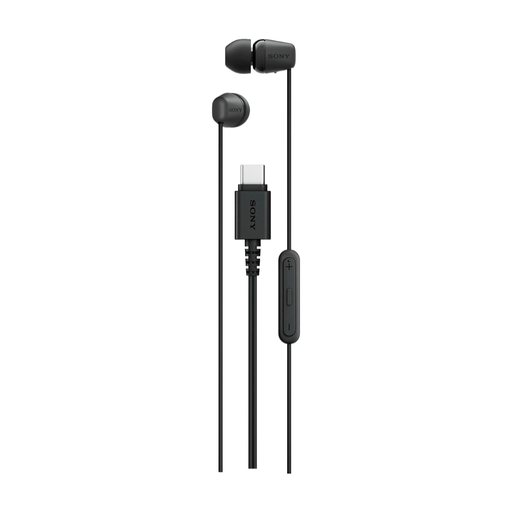
Why it suits this profile: These wired USB-C earbuds are suitable for users looking for a simple connection and straightforward controls for music and calls.
There is no built-in battery that can run out. The 120-centimetre cable and direct USB-C connection keep the setup simple.
Built-in microphone, remote control and USB-C connection according to the product information.
We have put together a complete, up-to-date list of products that fully meet these strict selection criteria and the applicable European safety regulations.
Open the charging case or switch on the earbuds, activate Bluetooth on your phone and select the product name from the list. When pairing for the first time, you may need to press and hold a button. If the connection does not work, remove the previous Bluetooth profile and try again.
Battery life per charge varies depending on the model and conditions of use. Do not just look at the stated playback time; also check the capacity of the charging case. Keep TWS earbuds in the case when you are not using them and avoid prolonged exposure to heat or moisture. The battery is built in and generally cannot be easily replaced by the user.
This mainly depends on the microphone configuration, call processing and your surroundings. According to the product information, models with multiple microphones or ENC may be designed to provide clearer calls, but the actual experience varies from one situation to another. For important calls, it is worth considering user reviews and return conditions when making your choice.
