
Vandaag of morgen in huis

Kwaliteit gegarandeerd

Welkomstaanbiedingen ontgrendelen: GRATIS bezorging | Tot 80% korting | Gratis 30 dagen JoyPlus-proefperiode
Download de app
Wireless earbuds are convenient for music, podcasts, calls and travelling. However, a long list of features does not automatically mean that a model will suit your daily use. Making the right choice starts with the specifications you genuinely need: comfort, battery life, protection against moisture and the quality of the Bluetooth connection.
One manufacturer may state the playback time of a single earbud, while another gives the total playback time including the charging case. Noise cancelling, volume and phone calls also affect battery life.
So pay attention to:
A model with exceptionally long battery life is not always practical if the earbuds are bulky or the charging case is difficult to carry.
Noise-cancelling earbuds use microphones and electronics to reduce background noise. The result depends on the fit, the type of sound and the surroundings. Low, consistent noise on a train or aeroplane is generally processed differently from voices or sudden sounds.
According to Soundcore’s own research, the Liberty 4 Pro can significantly reduce background noise and regularly adapt to its surroundings. This is a brand claim, not a guarantee of complete silence. Also check whether a model has a transparency mode if you want to remain aware of traffic or your surroundings.
The IP code indicates what type of dust or water an appliance is protected against. IPX4, for example, means protection against splashing water, but it does not mean that you can submerge the earbuds. According to the product specifications, IPX5 provides protection against water jets under certain conditions.
When choosing sports earbuds, pay attention to the difference between:
The charging case sometimes has a different IP rating from the earbuds. So do not take the case out in a rain shower without checking the specifications.
In-ear models partially seal the ear, which can help them stay securely in place. Choosing the right size of silicone ear tips is important for comfort and sound quality. A fit that is too loose may mean you are constantly having to put the earbuds back in, while a fit that is too tight can become uncomfortable during longer listening sessions.
An open-ear model, such as clip-on earbuds, allows you to stay more aware of your surroundings. This can be useful when walking or commuting, but sound isolation is more limited.
Bluetooth 5.2 and Bluetooth 5.3 are widely used versions in modern Bluetooth earbuds. The actual connection also depends on your phone, laptop and software. Multipoint is useful if, for example, you want to connect to a smartphone and laptop at the same time.
Also check which codecs are supported, such as AAC and SBC. Not every device supports every codec, so the practical benefit can vary from one user to another.
For calls, multiple microphones, wind-noise reduction and microphone placement are all relevant. A product listing that mentions “AI noise reduction” contains a technical claim made by the brand; do not treat it as a guarantee of clear calls in every situation.
If you travel frequently or work long days, you may want to consider earbuds with long battery life or wireless headphones. On-ear models often have more room for a larger battery, while true wireless earbuds are more compact.
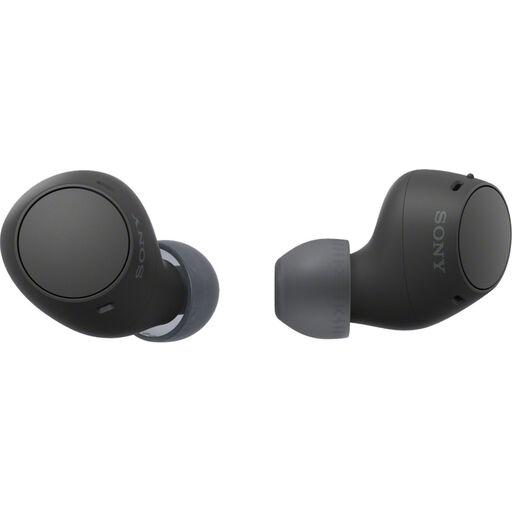
Why it suits this profile: This compact model offers Bluetooth 5.3, a microphone, multipoint and a stated battery life of 22 hours including the charging case. It is therefore suitable for everyday use without having to move straight to large headphones.
The product information specifies a clear total battery life and IPX4 splash resistance rather than making only general usage claims.
4.6 grams per earbud, USB-C, AAC and SBC codecs, multipoint and an equaliser via the Sony app.

Why it suits this profile: The product specifications focus on music, calls and travelling, with noise cancelling, six microphones and a charging case. This makes it suitable for users looking for more adjustment options than basic true wireless earbuds provide.
The stated battery life is split into up to 10 hours per charge and up to 40 hours with the case; fast charging is listed separately.
Bluetooth, USB-C, six microphones, dynamic drivers and, according to the manufacturer, adaptive noise cancelling.
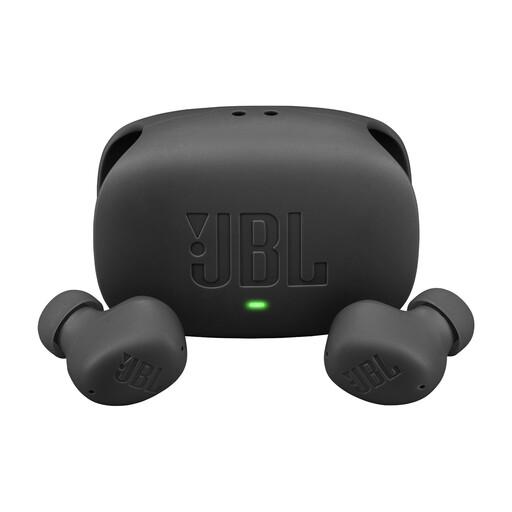
Why it suits this profile: This model combines ANC, Smart Ambient, multipoint and IP54 dust and splash resistance. That makes it an interesting option for commuting and everyday outdoor use.
The product information states both the playback time with ANC switched off and the separate playback time per earbud. This makes the claim easier to put into context.
Up to 8 hours of music per charge, up to 40 hours with the case according to the manufacturer, Bluetooth 5.2, microphone and IP54.
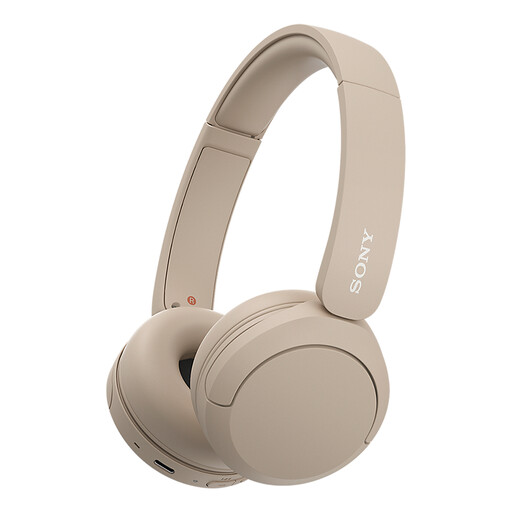
Why it suits this profile: These wireless on-ear headphones have an adjustable headband, soft ear cushions, a microphone and multipoint. The product description states up to 50 hours of battery life, while the specifications table states 40 hours. Therefore, check the current product information before buying.
The different battery claims are made visible rather than being presented as one fixed figure. The headphones are also not water-resistant.
147 grams, USB-C, multipoint, AAC and SBC codecs and fast charging according to the product description.
We have put together a complete, up-to-date list of products that fully meet these strict selection criteria and the applicable European safety regulations.
Open your phone’s Bluetooth settings, charge the earbuds and put them into pairing mode. Select the product name from the list. On some models, Google Fast Pair, Microsoft Swift Pair or the brand’s app can help with the initial connection. If pairing does not work, remove the existing Bluetooth connection and try again.
Battery capacity decreases over time. Battery life depends on volume, calls, codec, noise cancelling and temperature. Store the earbuds in the charging case, avoid extreme heat and charge them with a suitable USB-C cable. Also check whether replacement earbuds or a replacement case are available before buying a model.
That depends on the fit and IP rating. For outdoor exercise, choose sports earbuds that stay securely in place and offer at least splash resistance. None of the splash-resistance ratings mentioned automatically means that swimming is safe. When cycling or driving, you must also be able to remain sufficiently aware of surrounding sounds and traffic.
