
Vandaag of morgen in huis

Kwaliteit gegarandeerd

Welkomstaanbiedingen ontgrendelen: GRATIS bezorging | Tot 80% korting | Gratis 30 dagen JoyPlus-proefperiode
Download de app
Wireless earbuds are useful for commuting, phone calls and exercise. However, a long list of features does not automatically mean that a model is right for you. The fit may disappoint, battery life can vary when noise cancelling is enabled, and a water-resistance rating does not guarantee that you can use them for swimming.
Joybuy Product Recommendation Officer helps you turn marketing claims into verifiable specifications. This makes it easier to compare Bluetooth earbuds, true wireless earbuds and wired models based on the features that make a real difference in everyday use.
Manufacturers often state playback time under specific conditions, such as a particular volume level and with active noise cancellation switched off. Check whether the quoted time applies to a single earbud or the total including the charging case.
A model offering 6 hours per charge may be sufficient for everyday travel. For long-haul flights or several working days without access to a socket, a set with a larger case is more practical. Also pay attention to the charging connection: USB-C is now common, but wireless charging is not available with every pair.
Earbuds with noise cancelling use microphones and electronics to reduce ambient sound. The result depends on factors including the seal in your ear, the fit and the type of noise. Low, constant sounds on a train or aeroplane are generally handled differently from voices or sudden noises.
A transparency mode can be particularly useful outdoors or in the office. Do not use noise cancelling when you need to hear traffic, cyclists or other important sounds around you.
The IP code indicates the conditions against which a product is protected according to the stated classification. IPX4, for example, indicates resistance to splashing water, but you should not infer that the product can be submerged. IPX5 is intended to protect against water jets under specific test conditions. Always check the manual, and do not use a charging case in the rain unless it is certified for this purpose.
Water-resistant earbuds are useful for exercise, but sweat and splash resistance does not automatically mean they are suitable for swimming.
In-ear earbuds seal the ear with silicone ear tips. Choosing the right size helps with comfort and can also improve passive noise isolation. Check whether several sizes of ear tips or stability wings are included. This is important for long listening sessions and for sports earbuds that need to stay in place while you move.
A compact, lightweight design can be comfortable, but weight is not the only criterion. The shape, pressure in the ear and controls all help determine whether you will want to wear them for longer periods.
Most wireless earbuds connect via Bluetooth to Android and iOS devices. Check:
For calls, earbuds with a microphone depend on the positioning of the microphones and software-based noise reduction. Six microphones may sound promising on paper, but actual call clarity can vary from one environment to another. Base your choice on the stated specifications and your intended use, rather than on claims such as ‘crystal-clear calls’.
Look at three separate figures: the earbuds’ playback time, total playback time with the case and charging time. A charging case protects the earbuds and tops them up while you are out and about. USB-C makes it easier to use the same cable for several devices. Some models also support Qi wireless charging.
Wired earbuds have a clear advantage in this respect: they do not need charging. However, check whether your phone, tablet or laptop still has a 3.5mm connection. If not, you may need a suitable adaptor.
The selection below is based on stated product specifications, including Bluetooth, IP rating, microphones, battery life and connection options.
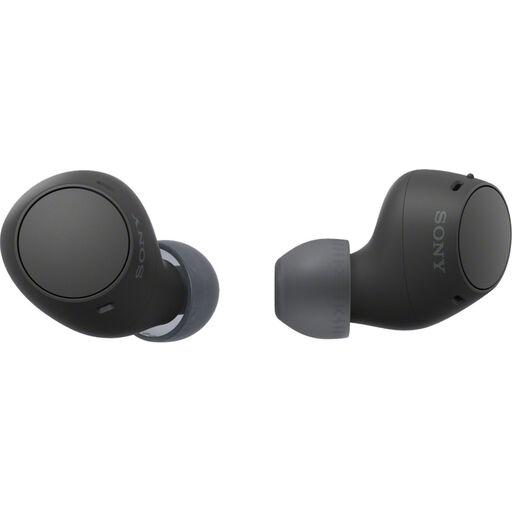
Why it suits this profile: An accessible choice for everyday listening, calls and travel, without immediately opting for a model with extensive ANC features.
The specifications state 22 hours of battery life including the case, IPX4 splash resistance and multipoint connectivity. This clearly defines the key features for everyday use.
Bluetooth 5.3, USB-C, multipoint connectivity and a weight of 4.6 grams per earbud.
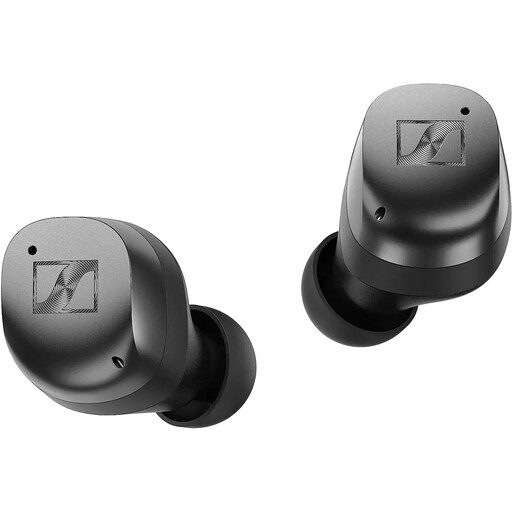
Why it suits this profile: Designed for listeners who value adjustable audio, long battery life and modern wireless features.
The stated IP54 rating makes it clear that this product is protected against splashing water, not submersion. The 30-hour battery claim is based on use with the charging case.
Bluetooth 5.4, adaptive ANC, Qi charging and an adjustable 5-band equaliser via the app.
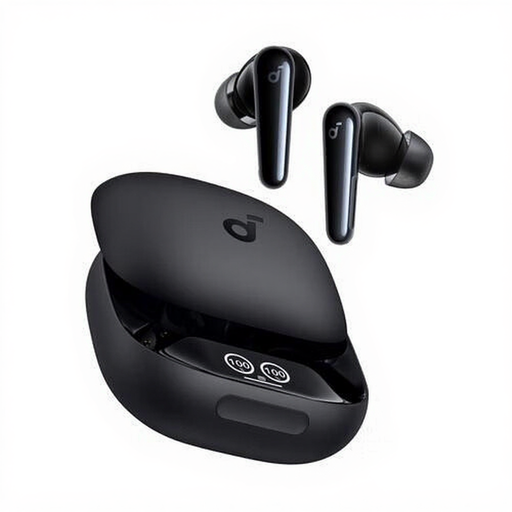
Why it suits this profile: A compelling option for anyone looking for one pair for music, calls, sport and everyday use.
The product details state IPX5 splash resistance, six microphones and additional ear tips. This gives you more information in advance about calls, movement and fit.
Up to 10 hours of continuous playback, a USB-C charging case, dynamic drivers and touch controls.
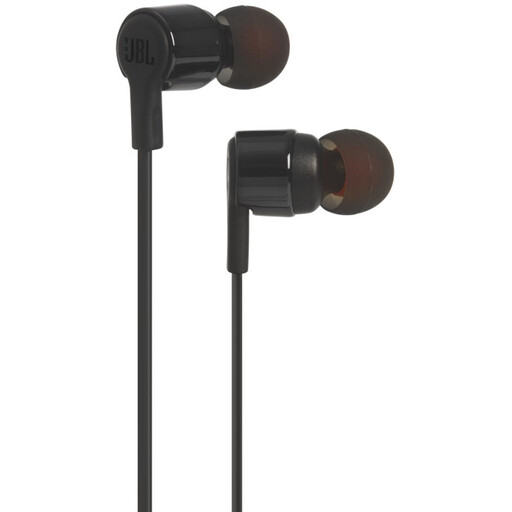
Why it suits this profile: Suitable for anyone who prioritises a simple connection and instant use over Bluetooth or noise cancelling.
There is no battery, so you are not dependent on charging time or battery wear. However, check whether your device has a 3.5mm connection.
Wired 3.5mm connection, built-in microphone and volume controls according to the product description.
We have put together a complete, up-to-date list of products that fully meet these strict selection criteria and the applicable European safety regulations.
Start by charging the earbuds and case. Then open your phone’s Bluetooth settings, take the earbuds out of the case or activate pairing mode, and select the product name. Some models require an app for additional settings. Consult the manual if the earbuds do not appear.
Battery life per charge varies by model and function. Active noise cancellation, higher volume and phone calls can affect playback time. The built-in lithium-ion battery loses capacity over time. Store the earbuds in the case, avoid extreme heat and use a suitable USB-C charger to limit unnecessary wear.
That depends on the fit and IP rating. When exercising, choose a model with several sizes of ear tips and at least a stated level of splash resistance. Check whether the case is protected too before using it outdoors. When cycling, running in traffic or crossing the road, make sure you can hear enough of your surroundings and follow local traffic regulations.
