
Vandaag of morgen in huis

Kwaliteit gegarandeerd

Welkomstaanbiedingen ontgrendelen: GRATIS bezorging | Tot 80% korting | Gratis 30 dagen JoyPlus-proefperiode
Download de app
Wireless earbuds are great for music on the go, meetings, travel and exercise. However, a long list of features doesn't automatically mean a model will suit your needs. A low price might look appealing, but the fit could be disappointing or the battery life might only be achievable under ideal conditions.
So it's worth focusing on verifiable specifications. Below, you'll find out which features really matter, which marketing claims you should take with a pinch of salt, and which wireless earbuds suit different types of users.
Packaging might boast a high total playback time, but this figure often combines the earbuds' own battery with multiple recharges from the charging case. What's more, features like ANC, high volume and phone calls can all reduce actual usage time.
So compare two key figures:
A model offering seven hours per charge may be enough for daily commuting, whereas someone who travels frequently might prefer a larger total capacity.
Water-resistant earbuds aren't automatically suitable for swimming. The IP code indicates the conditions a product is protected against, according to its stated rating. IPX4, for example, means splash resistance, while IP54 also mentions protection against dust particles. Always check the full product information and avoid submersion unless it's explicitly allowed.
Also pay attention to the charging case. Sometimes the earbuds are splash-resistant, but the case isn't, or only to a limited extent.
ANC earbuds use active noise cancellation to reduce certain environmental sounds. The result can vary depending on the situation. Low, constant noises – like the hum of a train – are generally a different type of sound from voices or sudden traffic noises.
According to brands' own research, specific models can offer a certain number of decibels of noise reduction. Treat such figures as a product specification under particular conditions, not a guarantee that all background noise will disappear. A transparency mode can also be handy when you need to hear traffic or announcements.
Wireless in-ear earbuds partially seal the ear canal with silicone tips. The right size affects comfort, sound isolation and the performance of ANC. Models that come with multiple sizes of ear tips give you more scope to adjust the fit.
Half-in-ear models can feel less sealed for some users, but may not stay as secure during lots of movement. Sports earbuds with an ear hook generally stay in place better during fitness or walking. An open-ear model lets ambient sound in, but usually doesn't offer full sound isolation. Check each model to see if it's suitable for moisture and vigorous activity.
Bluetooth 5.3 and Bluetooth 5.4 earbuds can offer a modern, energy-efficient connection, but the actual experience also depends on your smartphone, tablet or laptop. A higher Bluetooth version doesn't automatically mean better sound quality.
For everyday use, these points matter more:
Also check which audio codecs are supported. SBC and AAC are common; some models also offer LDAC. Your source device needs to support the codec too.
For earbuds for calls, the number of microphones, their placement and software for ambient noise are relevant specifications. Claims like "crystal-clear calls" come from the manufacturer; how well you can be heard can vary with wind, traffic and network connection.
Also look at:
When charging, use a suitable cable and keep the connections dry. Listen at a moderate volume and take regular breaks.

Why this fits the profile: This model combines Bluetooth 5.4 with up to 7 hours of playback per charge and 26 hours including the case. That makes it suitable for music, podcasts and daily commuting.
The product information states both the usage time per charge and the total time with the case. IP54 is also listed as sweat resistance; that's not a rating for swimming.
Bluetooth 5.4, 60 ms low latency, 4 grams per earbud and a USB-C charging case.
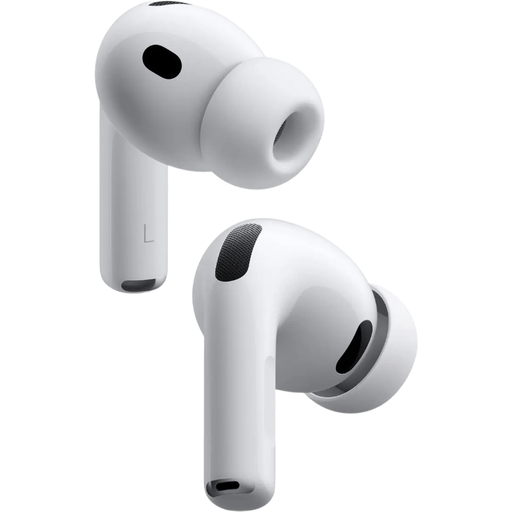
Why this fits the profile: If you work within the Apple ecosystem and want active noise cancellation, spatial audio and multiple fit options, this offers a combination of premium features and integration.
The five sizes of silicone ear tips included help you find a good seal. The battery figures are listed separately for ANC and transparency mode.
Bluetooth 5.3, up to 8 hours with ANC, IP57 according to the product information and a built-in microphone.
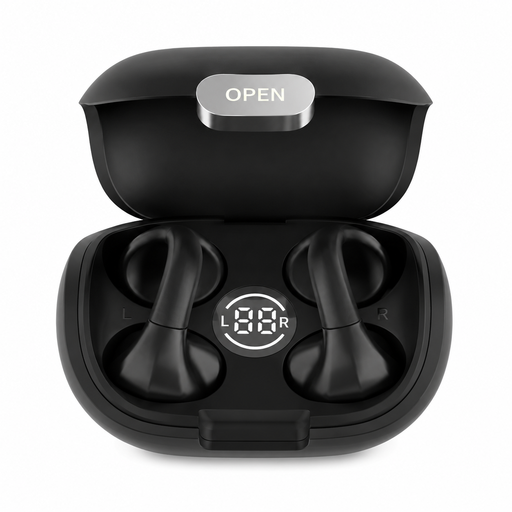
Why this fits the profile: The ear-hook design is aimed at keeping them secure during fitness, walking and travel. This model has touch controls and a stated range of up to 15 metres.
The ear hook reduces the risk of the earbuds coming loose during movement. The battery capacity of both the earbuds and the case is listed separately.
Bluetooth 5.4, approximately 5 to 7 hours of playback time and a digital display on the charging case.
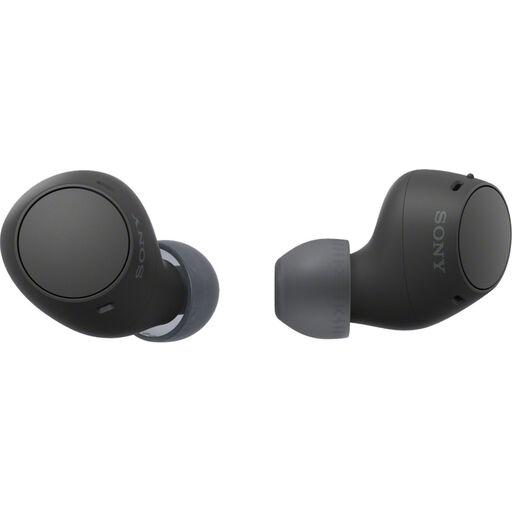
Why this fits the profile: The multipoint function is handy if you switch between a smartphone and laptop. According to the product information, these earbuds are compatible with Android and iOS.
The stated total battery life is 22 hours including the case. The IPX4 rating makes it clear this is splash protection, not waterproof use.
Bluetooth 5.3, multipoint, USB-C, ambient sound mode and a weight of 4.6 grams per earbud.
We've put together a full, up-to-date list of products that fully meet these strict selection criteria and comply with current European safety regulations.
Open the charging case, activate Bluetooth on your phone and select the name of the earbuds from the list. On some models, pairing starts automatically. If this doesn't work, put the earbuds back in the case and follow the reset or pairing instructions in the manual.
The usage time per charge varies by model and settings. The overall lifespan also depends on battery usage, charging cycles, storage and exposure to moisture or heat. Store the earbuds in the case, charge them with suitable accessories and clean them gently with a dry cloth.
That depends on the fit and the IP rating. For sport, choose a model that stays secure and check the protection against sweat and splash water. ANC can also reduce background noise. Switch on a transparency mode where necessary, and don't use earbuds in situations where you need to hear traffic sounds.
