
Vandaag of morgen in huis

Kwaliteit gegarandeerd

Welkomstaanbiedingen ontgrendelen: GRATIS bezorging | Tot 80% korting | Gratis 30 dagen JoyPlus-proefperiode
Download de app
Commuters, people working from home and sports enthusiasts all have different requirements for wireless noise-cancelling earbuds. On the train, you may want to reduce background noise; during a phone call, you want to be heard clearly; and when exercising, a secure fit and resistance to moisture matter more than extra features.
Marketing terms don’t always make comparisons any easier. Read on to find out what to look for, which common pitfalls can lead to a disappointing purchase, and which type of Bluetooth earbuds suits the way you use them.
ENC stands for Environmental Noise Cancellation. It is usually intended for the microphones during calls. According to the product description, it can help filter out background noise during calls, but it is not the same as ANC, or active noise cancellation for what you hear.
For example, the QCY T13 is listed as having a four-microphone system with ENC. This supports calls, but you shouldn’t assume from this specification alone that the model also has active noise cancellation for music. So look specifically for “active noise cancellation” or “ANC” in the product specifications.
Manufacturers sometimes quote total playback time, including several charges from the case. Always check these two figures:
For example, the Bose QuietComfort Earbuds are listed as offering up to 8.5 hours on a full charge. According to the product information, the case provides additional charges. That’s handy for travelling, but actual usage time depends on the volume, Bluetooth connection and whether you use noise cancelling.
An IP rating consists of two numbers, or a number and a letter. The second character indicates protection against moisture. IPX4 is designed to protect against splashes and sweat, not submersion. IP54 also offers a certain level of dust protection, but it still doesn’t make earbuds suitable for swimming.
Also check whether the rating applies to the earbuds, the case or both. Let sweaty earbuds dry before putting them in the charging case.
For train journeys, flights or a busy office, ANC is the feature to look for. This technology uses microphones to measure ambient noise and counter it with an opposing signal. Its effectiveness varies between models and across different frequency ranges. According to Bose’s product description, the QuietComfort Earbuds feature active noise cancelling and an Aware mode that lets you hear ambient sounds.
For calls, also look at the microphones, voice isolation and any ENC or AI voice features. A model can be good for calls without having ANC.
A good seal in the ear canal affects both sound quality and passive noise isolation. Look for:
Comfort is personal. Compact in-ear earbuds may be comfortable for your commute, while an open-ear design lets in more ambient sound. That can be useful when walking or cycling, but you’ll need to pay extra attention to the volume and road safety.
Bluetooth 5.1, 5.3 or 5.4 mainly tells you which connection standard is used; it doesn’t guarantee better sound quality. Also check for support for codecs such as SBC and AAC, multipoint connectivity, and compatibility with your phone or laptop.
For everyday use, a stable connection, easy pairing and a reliable microphone are often more important than a long list of features. If you switch between your smartphone and laptop, Bluetooth multipoint can be useful, provided the product actually supports it.
A model with long battery life is especially useful if you travel often or tend to forget to charge your earbuds. Check the charging time, fast-charging feature and type of connector. For example, the QCY T13 product information lists a USB-C port and total playback time of up to 40 hours with the case. This figure comes from the product information; volume and settings can affect usage time.
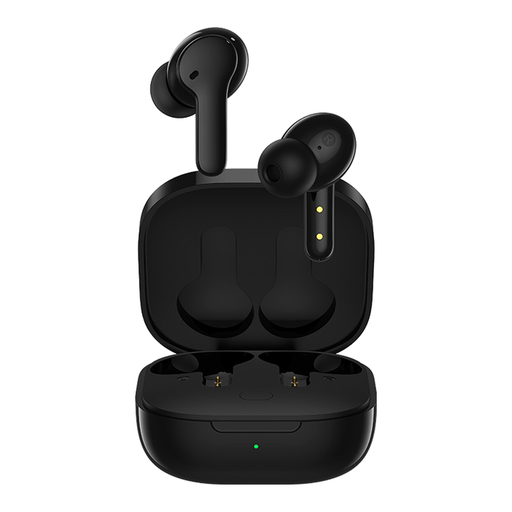
Why it suits this profile: An accessible choice for music, podcasts and phone calls, without paying extra for extensive ANC features.
The specifications clearly list four-microphone ENC for calls. So don’t assume this means it has ANC for music.
7.2 mm dynamic drivers, Bluetooth 5.1, USB-C, IPX5 and, according to the product information, up to 40 hours with the case.
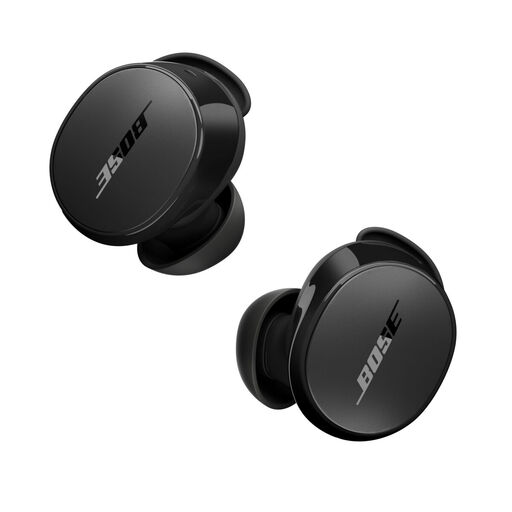
Why it suits this profile: Designed for listeners who value active noise cancelling, a customisable listening experience and a secure fit.
ANC and an Aware mode are explicitly listed in the product information. Ear tips and stability bands in multiple sizes are also included.
Bluetooth 5.3, IPX4, up to 8.5 hours per charge and control via the Bose app, according to the product details.
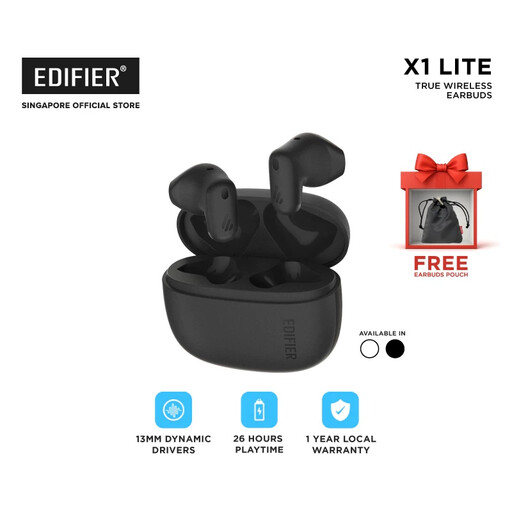
Why it suits this profile: A practical option for exercise, commuting and everyday calls when low weight and resistance to moisture matter.
The IP54 rating makes it clear that the earbuds are protected against dust and splashes, not swimming or submersion.
Bluetooth 5.4, 4 grams per earbud, low latency and, according to the product information, playback time of up to 26 hours.
We’ve put together a complete, up-to-date list of products that meet these strict selection criteria and the applicable European safety regulations.
Yes. The Bluetooth connection to your smartphone or laptop works locally and doesn’t require internet access. You only need an internet connection for things such as streaming, firmware updates or features in a companion app.
Their lifespan depends on charging cycles, heat, moisture, use and maintenance. Don’t leave the case empty for long periods, keep the charging contacts clean and only use a suitable charger. Battery capacity decreases over time; a long quoted playback time won’t prevent natural wear and tear.
That depends on the fit and IP rating. For exercise, it’s best to choose a model with a secure fit and a stated level of splash or sweat resistance. ANC can reduce ambient noise, so use a transparency mode or lower the volume when you’re out in traffic.
