
Vandaag of morgen in huis

Kwaliteit gegarandeerd

Welkomstaanbiedingen ontgrendelen: GRATIS bezorging | Tot 80% korting | Gratis 30 dagen JoyPlus-proefperiode
Download de app
Wireless earbuds are handy for listening to music and podcasts, making calls, travelling and working out. However, many models look better on paper than they perform in practice. For example, a long battery life may only apply when the earbuds and charging case are counted together. And a high IP rating doesn’t automatically mean you can swim with them.
As Joybuy Product Recommendation Officer, I sort through the key product information by use case. This helps you see which specifications really matter and which marketing claims are worth checking before you buy wireless Bluetooth earbuds.
Brands often quote total playtime including the charging case. The earbuds themselves might last five to eight hours, for example, with the rest made up of several charges from the case. So always check:
A pair of wireless earbuds with long battery life is particularly practical if you travel often or work long days. A quick-charge feature can be more useful than a high total playtime figure.
Active noise cancellation, often called ANC, uses electronics to reduce background noise. How well it works depends on the fit, your surroundings and the type of noise. A good seal from silicone ear tips also helps to physically block out external sound.
Look out for claims such as “up to -50 dB” or “blocks 99.7% of ambient noise”. MINISO’s own information makes claims of this kind about the MS106; these are brand claims, not a universal guarantee for every user or situation. Also check whether the earbuds have a transparency mode. This lets you hear the sounds around you without taking the earbuds out.
The IP code shows how well a product is protected against dust or water. The letter X means no rating has been provided for that part of the protection. IPX4, for example, means protection against splashes; it doesn’t mean the product is suitable for submersion.
For everyday use and light exercise, water-resistant earbuds may be enough. Wipe them dry after exercise, and don’t charge them while they’re damp. Check the official product information for each model, as similar names don’t mean the products offer the same protection.
Bluetooth 5.3 or 5.4 can contribute to a modern connection, but your experience also depends on your phone, laptop and software. For the office or working from home, multipoint is useful: depending on the model, the earbuds can connect to two devices at once.
Also check the range. The supplied product specifications quote around 9 to 10 metres for various models. Walls and other wireless devices can affect the range in practice.
Open-ear earbuds are useful when walking or exercising somewhere you need to stay alert. However, they don’t offer the same seal or sound reproduction as closed in-ear models. Don’t use noise cancellation when cycling, driving or in any other situation where you need to hear traffic.
When choosing earbuds with a microphone, the number of microphones isn’t the only thing that matters. Wind filtering, microphone placement and software can also affect call quality. A model with several microphones may try to reduce background noise, according to the manufacturer, but how clearly you can be heard depends on your location and connection.
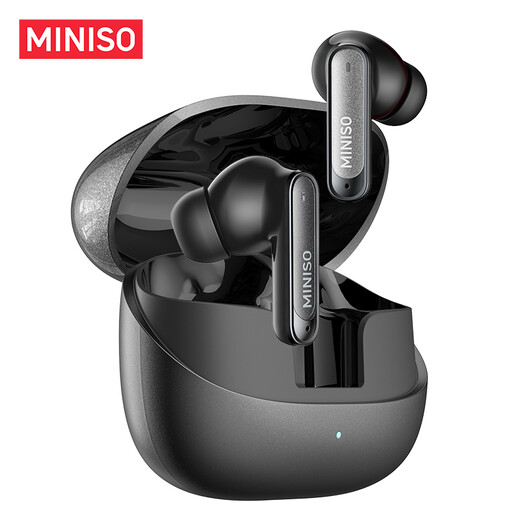
Why it suits this profile: This model is designed for everyday use, the office, studying, exercise and phone calls. The product listing mentions Bluetooth 6.0, a built-in microphone and up to 55 hours of battery life, including the case.
The listing distinguishes between features such as ANC, microphones and IPX5. Before buying, make sure you check how the stated battery life was measured.
Bluetooth 6.0, according to the product listing, an IPX5 rating and a charging case with a quick-charge feature.
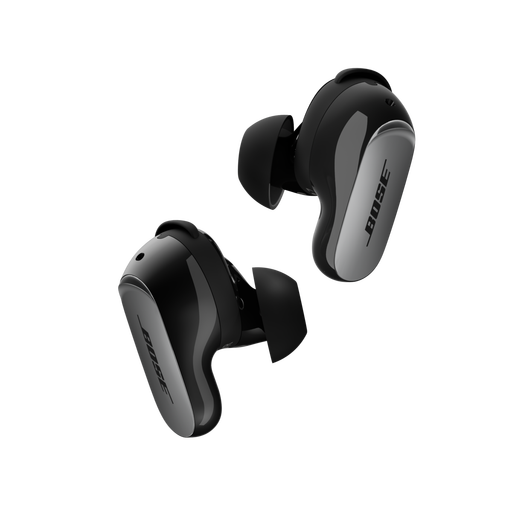
Why it suits this profile: A good choice for travellers, people working from home and music lovers who want active noise cancellation and customisable sound.
The product information lists both ANC and Aware Mode. This lets you choose between reducing background noise and letting the sounds around you through.
Bluetooth 5.3, multipoint pairing, USB-C and wireless charging for the case; up to six hours of playtime per full charge.
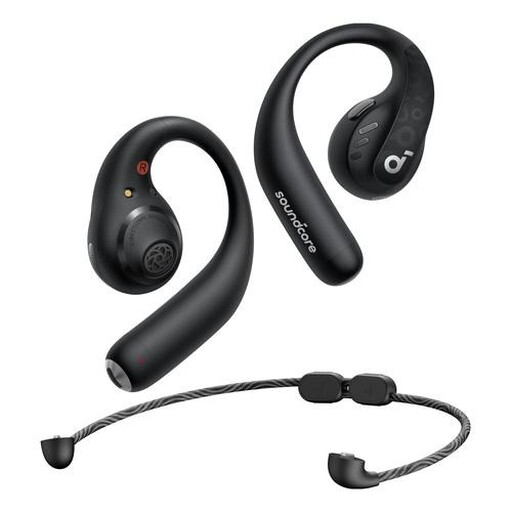
Why it suits this profile: The ear-hook design is made for sport, running and everyday use. The buttons are designed to control music, volume and calls.
A secure fit doesn’t rely on the earbuds alone: the hook helps keep them stable while you move. IPX5 means protection against water jets, not a guarantee that they’re suitable for swimming.
Bluetooth 5.3, support for AAC, LDAC and SBC, IPX5 and a stated playtime of 14 hours.
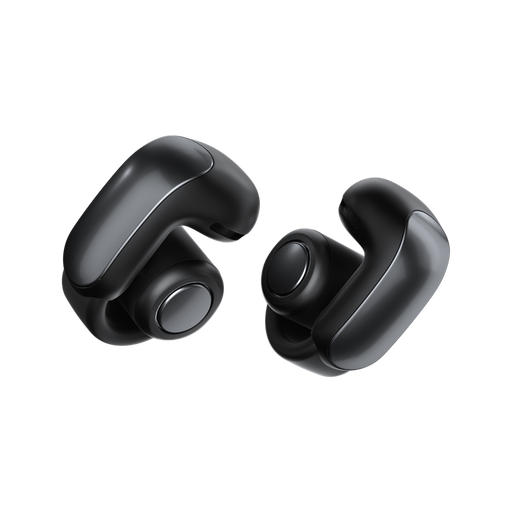
Why it suits this profile: The open-ear design leaves your ears uncovered. This makes it a good choice for walking, running or conversations when you want to keep hearing the sounds around you.
You don’t need to switch on transparency mode to hear what’s going on around you. Bear in mind, though, that open-ear audio offers less isolation in busy or noisy places.
Open design, Bluetooth 5.3, IPX4 and up to seven hours of playtime, according to the product information.
We’ve put together a complete, up-to-date list of products that meet these strict selection criteria and comply with current European safety regulations.
First, charge the earbuds and put them into pairing mode. Then open your phone’s Bluetooth settings and select the product name. With some models, the first connection happens automatically when you open the charging case. If it doesn’t work, remove any old pairing and try again.
Battery life per charge often ranges from a few hours to around a working day, depending on the volume, codecs and noise cancellation. Battery capacity decreases over time. Keep the earbuds in their charging case, avoid extreme temperatures and charge them using the supplied or a suitable USB-C cable.
Yes, many true wireless earbuds have a built-in microphone and buttons or touch controls for calls. If you make calls regularly, check not only that they have a microphone, but also whether they support multipoint, wind noise reduction and the Bluetooth profiles you need. This helps you avoid choosing a model that works well for music but is less practical for meetings.
