
Vandaag of morgen in huis

Kwaliteit gegarandeerd

Welkomstaanbiedingen ontgrendelen: GRATIS bezorging | Tot 80% korting | Gratis 30 dagen JoyPlus-proefperiode
Download de app
Wireless earbuds are handy when you’re out and about, at the office or exercising. But rushing into a purchase isn’t always wise. A long battery life, for example, means little if the earbuds are uncomfortable to wear. And a label such as “noise reduction” may refer to basic sound isolation rather than active noise cancelling.
Use this guide to compare wireless earbuds, Bluetooth headphones and open-ear models based on the features that matter in everyday use.
Manufacturers often quote total playback time including the charging case. That’s not the same as the listening time of a single earbud. Noise cancelling can also reduce battery life. So always check:
For example, the Sony WF-C710N is quoted as having a longer total battery life with noise cancelling off than with this feature switched on. For the Apple AirPods 4, the usage time of the earbuds is listed separately from the extra time provided by the case.
ANC earbuds use microphones and electronics to actively reduce background noise. Passive isolation comes mainly from the fit and the earbuds themselves. Product pages sometimes use terms such as noise reduction, sound isolation and adaptive noise cancelling interchangeably.
Check the exact specification:
According to Baseus product information, the Bass EP10 Pro features adaptive hybrid ANC. This is a manufacturer’s specification; how well it works may depend on the fit, surroundings and settings.
An IP rating isn’t a general guarantee that you can swim with earbuds. IPX4, for example, indicates splash resistance, while IP55 indicates additional protection against dust and water jets. The charging case may have a different rating from the earbuds.
So check:
According to the product information, the Sony WF-C710N has an IPX4 rating. The Baseus Bass EP10 Pro is listed as IP55 in its product specifications. Neither rating automatically means it’s safe to submerge them.
True wireless earbuds consist of two separate earbuds with no cable. In-ear models partly seal off the ear, which can make them compact and help reduce background noise. A good fit is important for both comfort and sound quality.
Open-ear earbuds sit outside the ear canal. They let in more background noise and are worth considering for walking or working in an environment where you need to stay alert. The Soundcore AeroClip has a clip-on design. Bone conduction headphones, such as the Verbex K08, transmit sound through contact points near the ear, according to the product description. This is different from standard in-ear Bluetooth earbuds.
You still need to stay alert when cycling or in traffic. Don’t use noise cancelling when you need to hear traffic or warnings clearly.
Bluetooth 5.2, 5.3 or 5.4 tells you which wireless standard is used, but doesn’t reveal everything about range or sound quality. Also look for:
Earbuds with a microphone are suitable for calls, but how clearly you can be heard also depends on wind, background noise and microphone placement.
For everyday use, a model offering 6 to 8 hours per charge may be enough. If you travel frequently, look at the total battery life with the case. Over-ear wireless headphones may have an advantage here. According to the product information, the Sony WH-CH520 is listed with a battery life of up to 50 hours, while the Soundcore Space One is quoted at up to 55 hours. Always check the latest product specifications and the conditions under which these figures apply before buying.
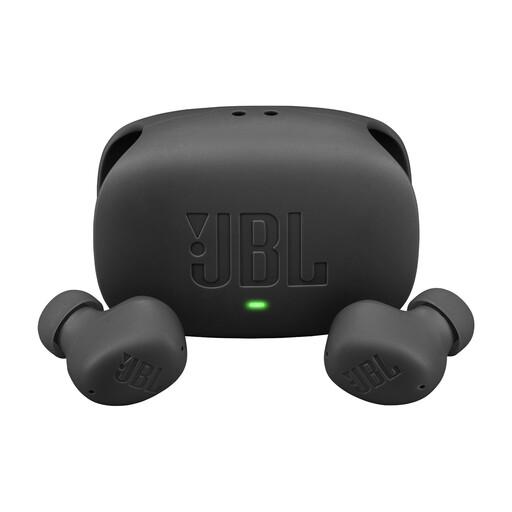
Why it suits this user: A compact model for music, calls and everyday travel, with ANC, multipoint and a charging case.
The product information distinguishes between playback time with ANC on and off. It also lists IP54 for the earbuds and IPX2 for the case.
Up to 8 hours of playback according to the specifications, up to 40 hours with the case, and multipoint support.
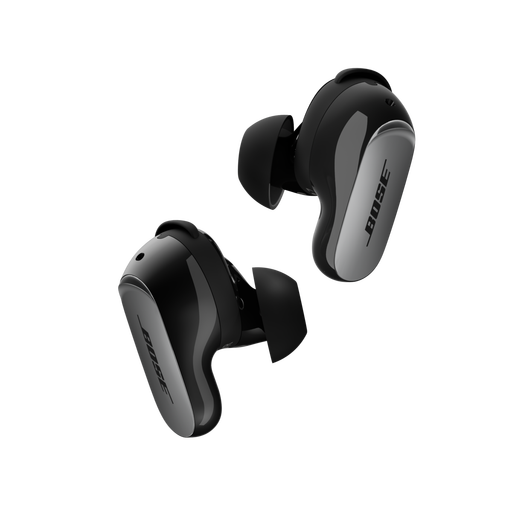
Why it suits this user: For listeners who value adjustable noise cancelling, multipoint and a comprehensive fit kit.
The specifications list both ANC and an Aware mode. The included Fit Kit, with three sizes of eartips, helps you find a comfortable seal.
Bluetooth 5.3, multipoint, USB-C and wireless charging; the quoted playback time is up to 6 hours per charge.
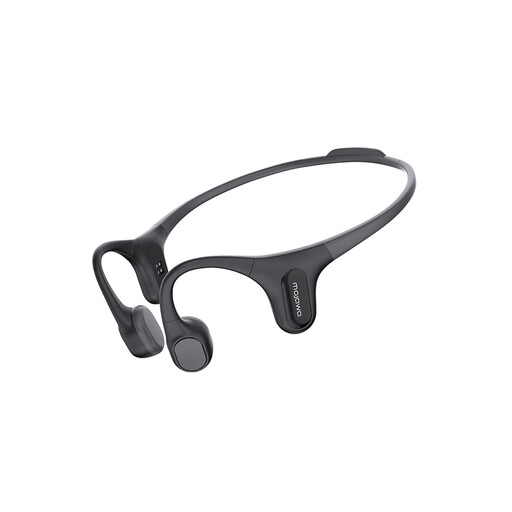
Why it suits this user: Designed for running, fitness and everyday use when you want an open design.
The open-ear bone conduction design doesn’t block the ear canal. This makes it an alternative for anyone who doesn’t want a closed in-ear fit.
According to the product information, this model has 32 GB of storage, Bluetooth and an IP68 rating.
We’ve put together a complete, up-to-date list of products that meet these strict selection criteria and comply with current European safety regulations.
Switch on Bluetooth on your smartphone, put the earbuds into pairing mode and select the product name from the Bluetooth list. With some models, such as Apple AirPods, a set-up window appears automatically on compatible devices. If pairing doesn’t work, remove any previous connection and make sure the earbuds are sufficiently charged first.
Their lifespan depends on charging cycles, heat, moisture, volume and everyday use. Keep the earbuds in their case, make sure the charging port stays dry and don’t use damaged cables. A quoted battery life is an indication of usage time, not a guarantee that the same performance will be maintained throughout the product’s lifespan.
ANC earbuds can reduce background noise. That’s handy on the train or in the office, but less suitable when it’s important to hear traffic. When cycling, it’s better to choose an open-ear model or switch on transparency mode, and always follow the rules of the road.
