
Vandaag of morgen in huis

Kwaliteit gegarandeerd

Welkomstaanbiedingen ontgrendelen: GRATIS bezorging | Tot 80% korting | Gratis 30 dagen JoyPlus-proefperiode
Download de app
Wireless earbuds are convenient for listening to music on the go, making phone calls and everyday use. However, a long list of features does not automatically mean a model is right for your needs. An unsuitable fit, an exaggerated battery claim or an unclear water-resistance rating can leave you disappointed with your purchase.
As a Joybuy Product Recommendation Officer, I therefore focus primarily on verifiable specifications and how the product will be used. Below, you’ll find what to look for when choosing wireless earbuds, Bluetooth earbuds and models for sport or commuting.
With noise-cancelling earbuds, a high reduction percentage is sometimes quoted. According to the brand’s own information, a model may, for example, reduce a certain amount of environmental noise. In practice, the result depends on the fit, the type of sound and the surroundings.
So don’t look only for a claim such as “up to -50 dB”. Also check:
When cycling or in other situations with heavy traffic, it’s wise to remain aware of your surroundings. Don’t use noise cancellation when you need to hear important warning sounds.
An IP rating consists of two digits, or a digit and an X. The first part refers to protection against dust; the second concerns water. IPX4, for example, means protection against splashing water, while IPX5 indicates protection against water jets. A model with IP68 has a higher level of protection, but always check the product instructions and limitations.
Important:
A figure such as 30, 40 or 55 hours often refers to the total usage time with the charging case. The playback time of the earbuds themselves is usually lower. Features such as active noise cancellation, phone calls and high volume also affect battery life.
For this reason, compare the following separately:
An in-ear model seals the ear canal, making it suitable for listening to music on the train or in the office. Choosing the right ear tip size is important for comfort and sound isolation. With prolonged use, an incorrect size can cause pressure or irritation.
Open-ear earbuds and clip-on models rest on or around the ear and allow more ambient sound through. They are an interesting option for walking, work and outdoor activities, but generally offer a different listening experience from sealed in-ear earbuds.
For sport, ear hooks, a secure clip or a stable fit are more useful than low weight alone. With sports earbuds, also check the IP rating and whether the case needs protection from moisture.
Bluetooth 5.0, 5.3 and 6.0 are common versions in the current range. A newer version can offer benefits in terms of efficiency and connectivity, but compatibility also depends on your smartphone, tablet or laptop. Also check whether the model supports multipoint if you want to switch between, for example, a work computer and your phone.
TWS earbuds consist of two separate earbuds with no cable between them. Check whether both earbuds can work independently and how easy it is to pair them again.
If you often attend meetings or make calls while travelling, you should look beyond the number of microphones. Wind noise, background sounds and microphone placement all affect how clearly you can be heard. Based on their own research or product information, brands may mention AI noise reduction or beamforming; treat this as a product specification rather than a guaranteed result in every environment.
For earbuds with a microphone, physical buttons or reliable touch controls are also useful. They allow you to answer, mute or end calls without reaching for your phone.
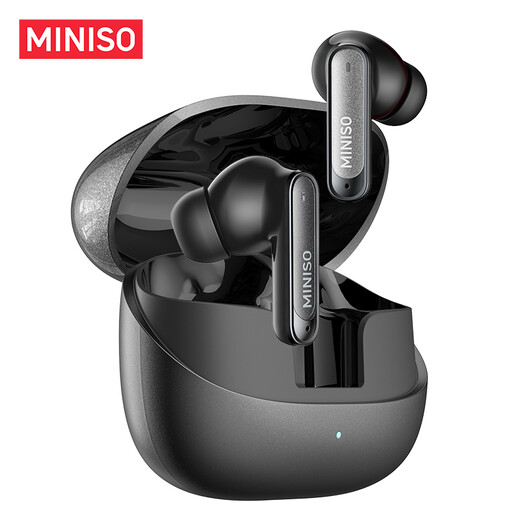
Why it suits this profile: This TWS model combines a built-in microphone, touch controls and Bluetooth 6.0 with an IPX5 rating. According to the product information, total battery life is up to 55 hours with the case.
The specifications state both the battery life and the IPX5 rating. When buying, however, compare the playback time per charge with the total duration including the case.
10 mm driver, 6 microphones, IPX5 and a stated total battery life of up to 55 hours.
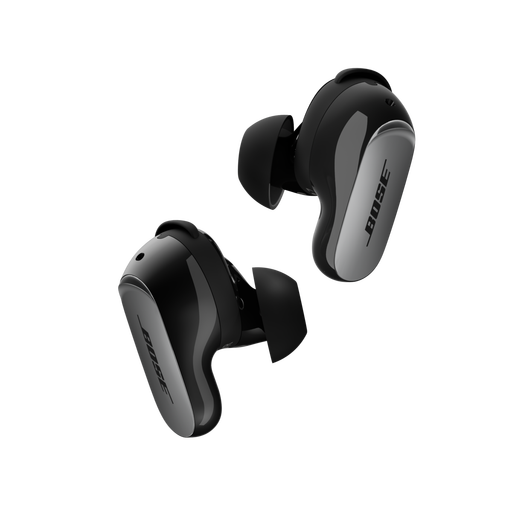
Why it suits this profile: The product information lists Bluetooth 5.3, active noise cancellation, an Aware mode, multipoint and up to six hours of battery life per charge.
The usage time and IPX4 rating are listed separately. The case supports USB-C and wireless charging, but keep it dry.
Bluetooth 5.3, active noise cancellation, Aware mode and support for USB-C and wireless charging.

Why it suits this profile: This open-ear model uses bone conduction, has an IP68 rating according to the product information and features 32 GB of built-in storage for MP3 files. It is designed for running, cycling, swimming and training.
The open-ear design means you are not completely cut off from your surroundings. Follow the instructions for rinsing and dry the headphones completely before charging them magnetically.
Open-ear wearing style, IP68 rating and 32 GB of built-in MP3 storage according to the product information.
We’ve put together a complete, up-to-date list of products that fully meet these strict selection criteria and the applicable European safety regulations.
First, charge the earbuds and open your phone’s Bluetooth settings. Put the earbuds into pairing mode, select the product name and confirm the connection. With TWS models, you may need to synchronise both earbuds with each other first. Consult the manual if there is no sound from one side.
Battery capacity decreases over time. Lifespan depends on charging cycles, heat, moisture and intensity of use. Store the earbuds in the case, avoid extreme temperatures and don’t charge them while they are still damp. A model with a charging case or fast-charging function can be practical if you travel every day.
That depends on the fit and IP rating. For sport, preferably choose a model that stays securely in place and specifies at least protection against sweat and splashing water. For swimming, the product must specifically state that it is suitable; standard IPX4 or IPX5 earbuds are not automatically intended for this. Keep the volume at a moderate level and remain alert to traffic and other sounds around you.
